Kubelwagen Factory – In Albuquerque!
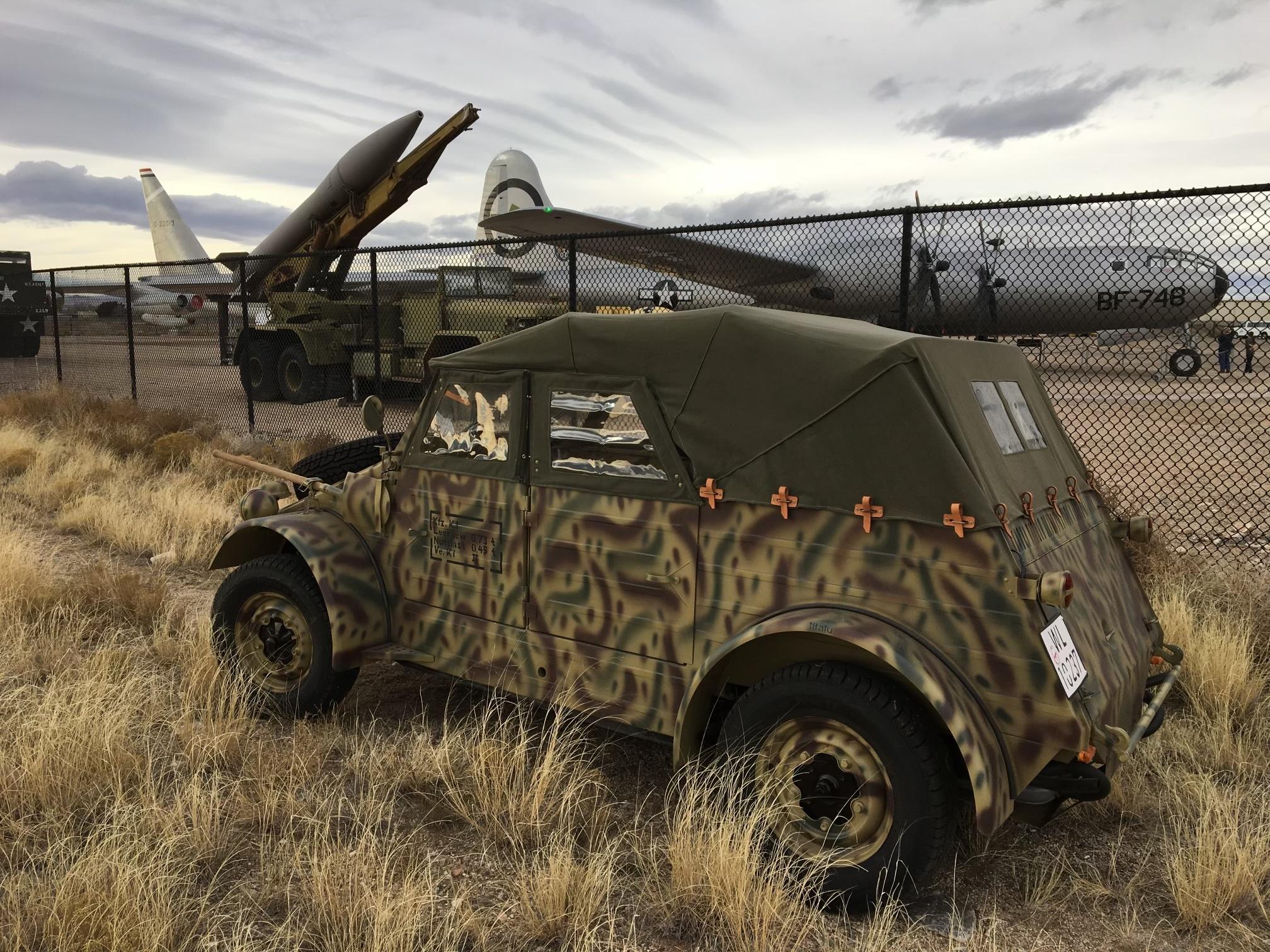
Check this out- a Kubelwagen restoration outfit exists here in Albuquerque.
Here is an example of their work, sneaking up on the Atomic Museum outdoor display.

Check this out- a Kubelwagen restoration outfit exists here in Albuquerque.
Here is an example of their work, sneaking up on the Atomic Museum outdoor display.
A few days ago, the Soaring by the Sea Foundation in Oregon was able to arm its restored P-40 with real .50 cals and real ammo, to perform a firing pass. A rare sight not seen in 80 years.
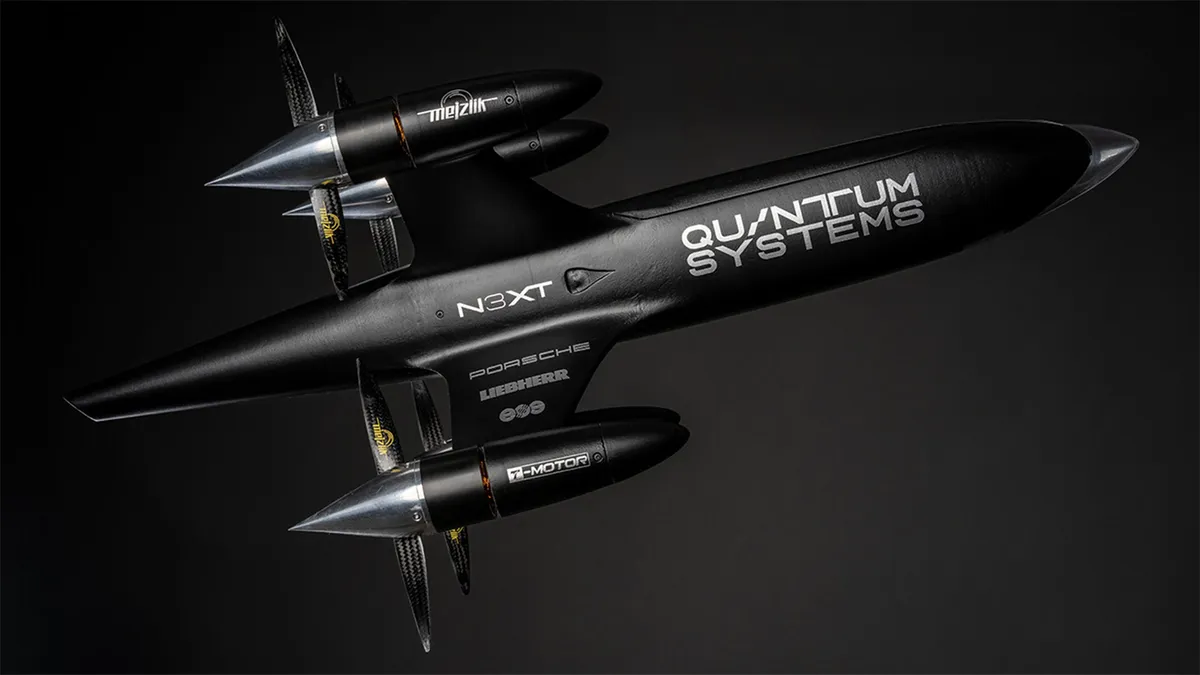
Electric drone breaks world air speed record at 434 mph, designed for anti-aircraft interceptor roles — German firm convincingly smashed the official 409 mph record, hopes to get stamp of approval from Guinness soon
Read more about it here:
by Dave Tingley
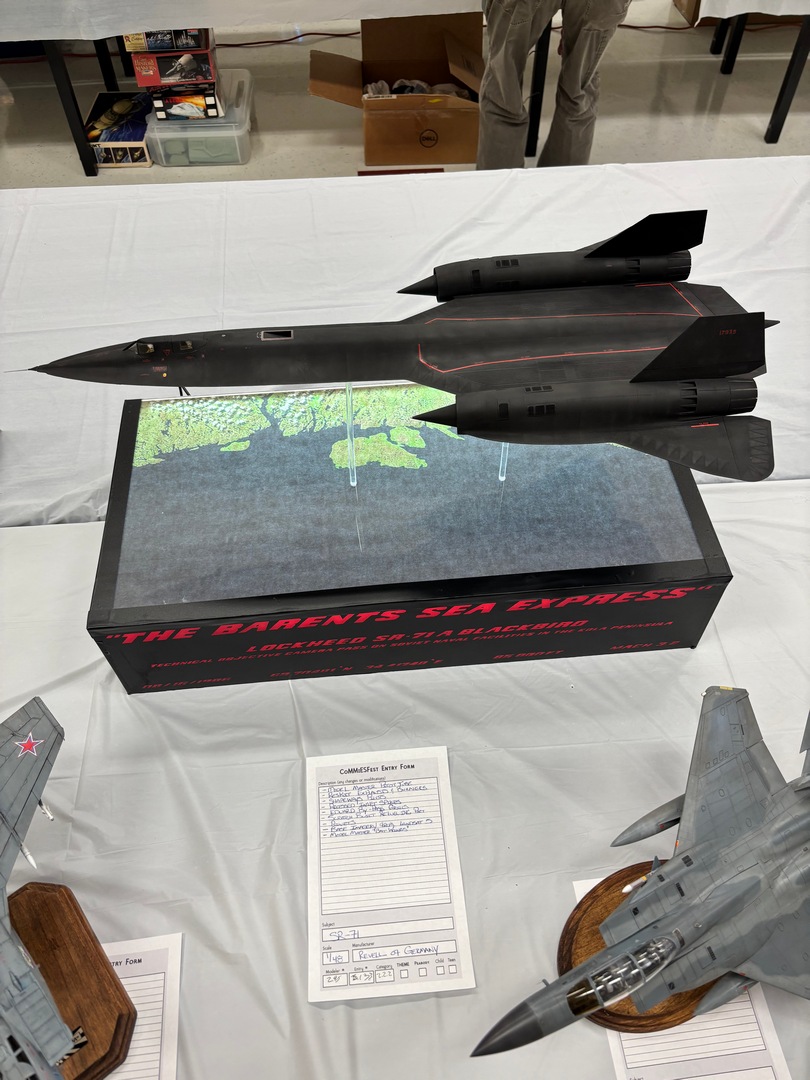
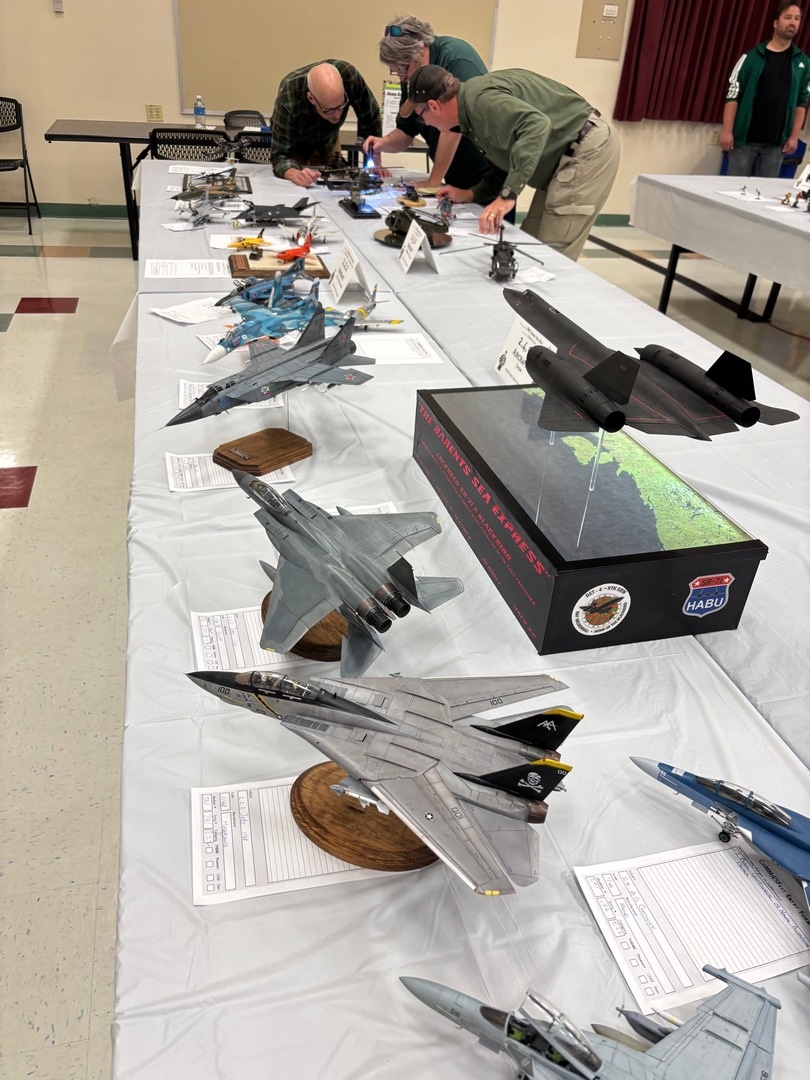
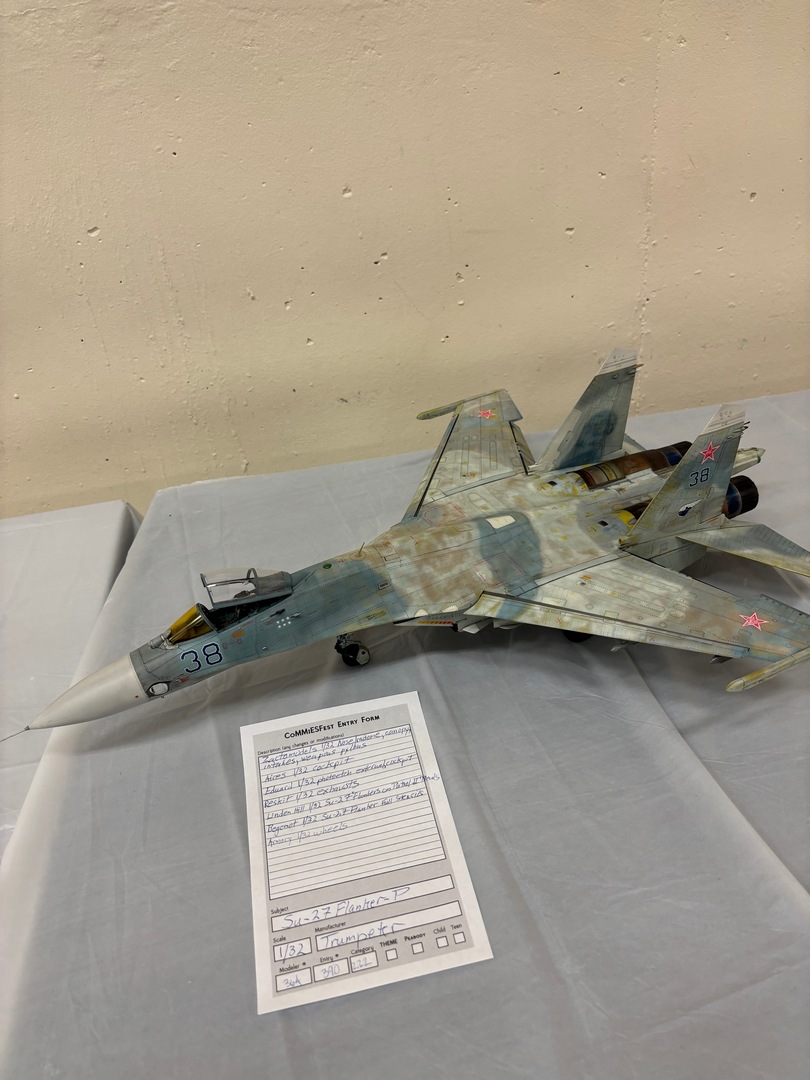
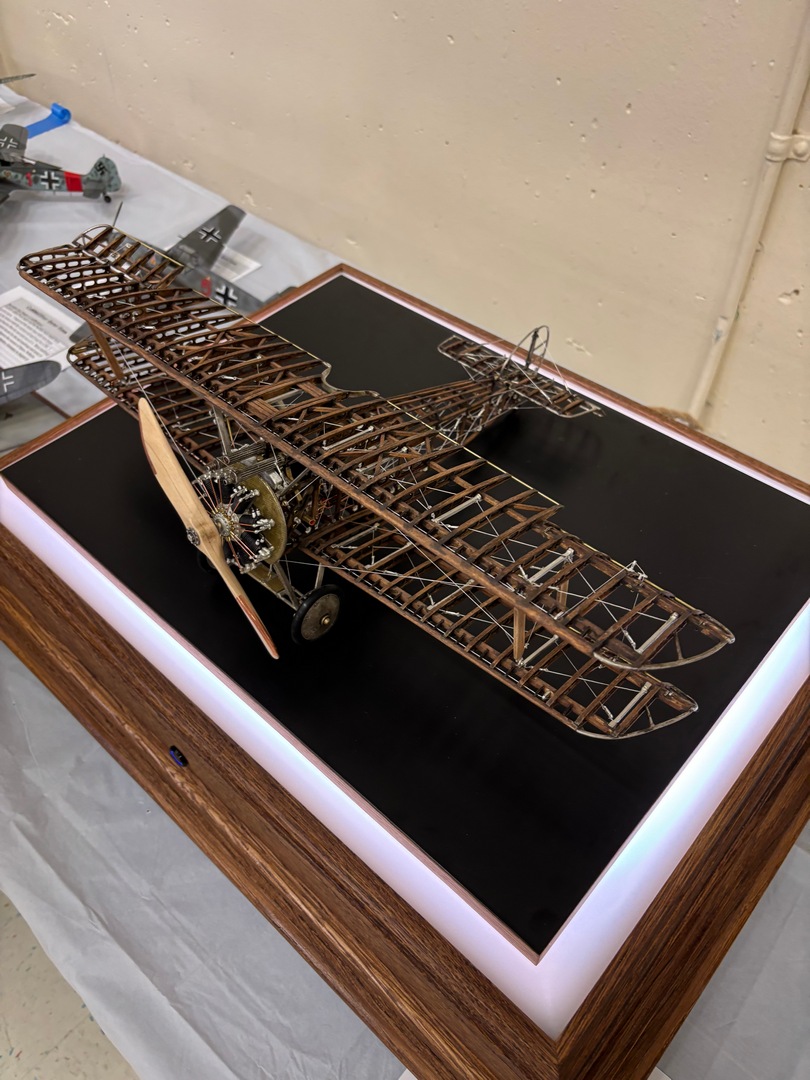
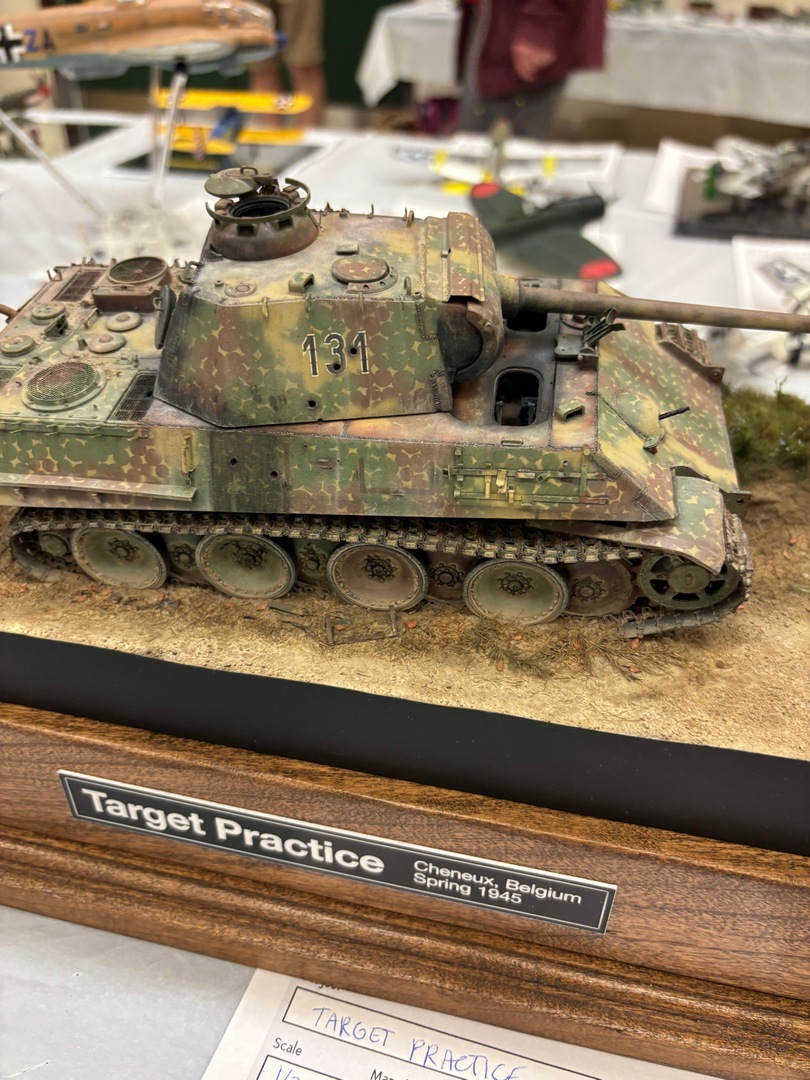
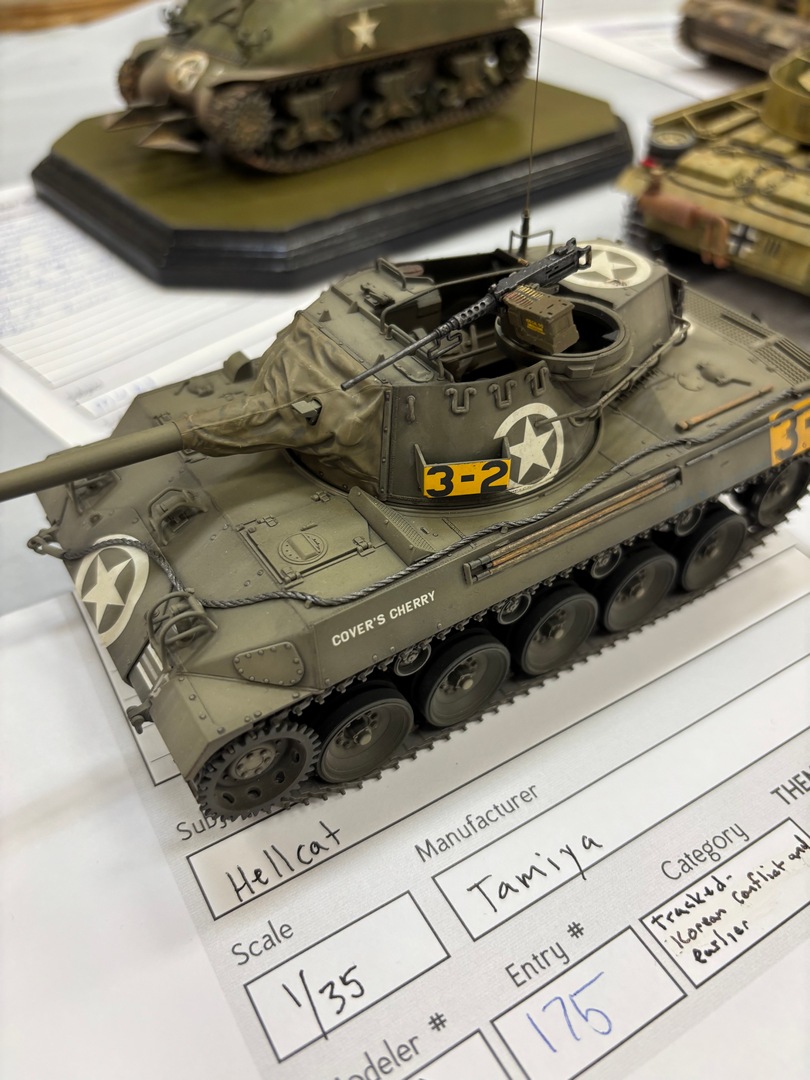
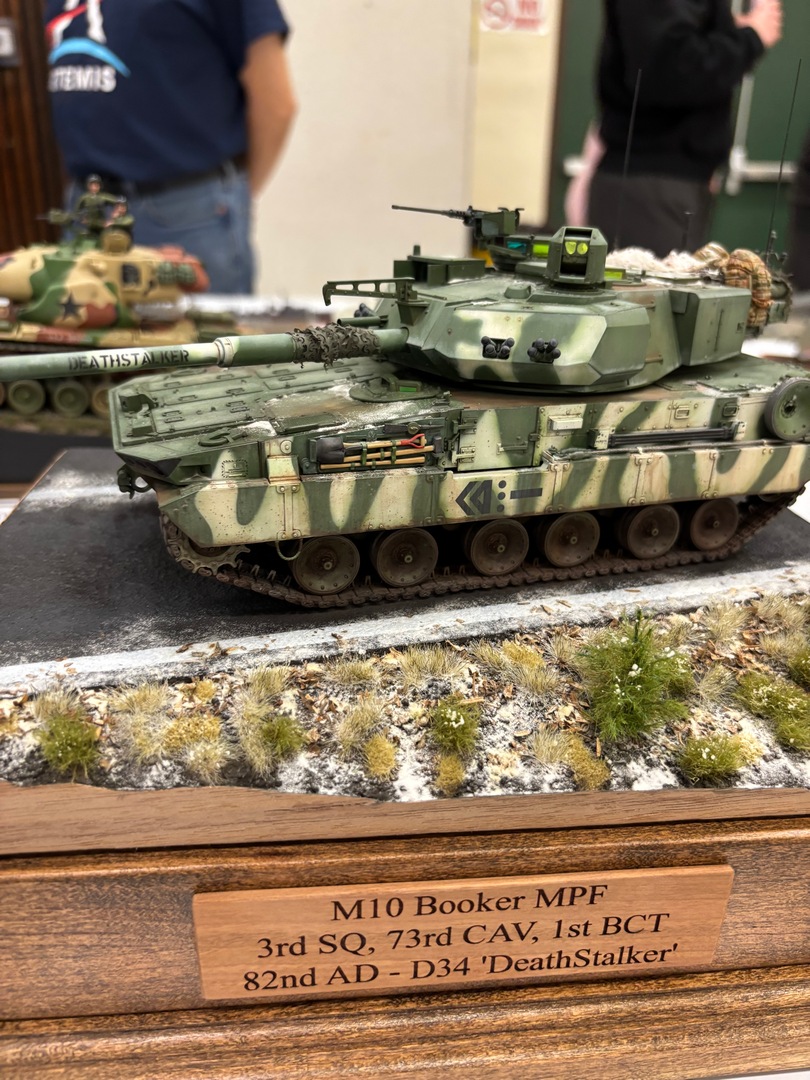
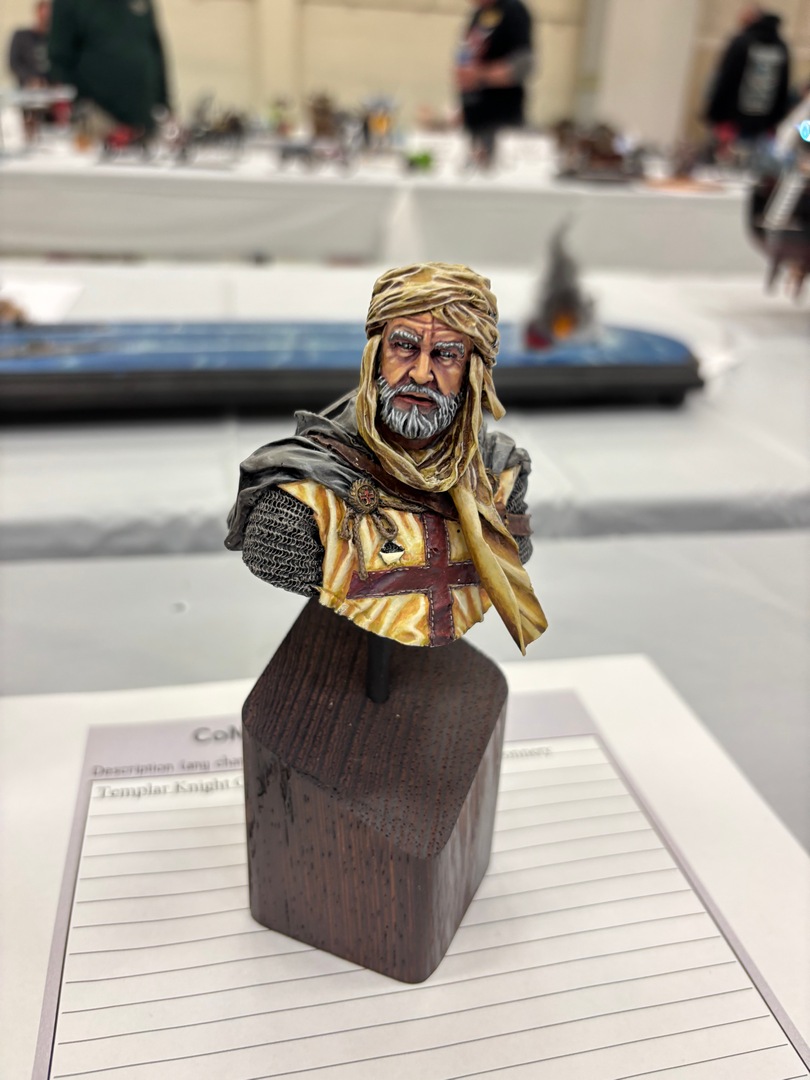
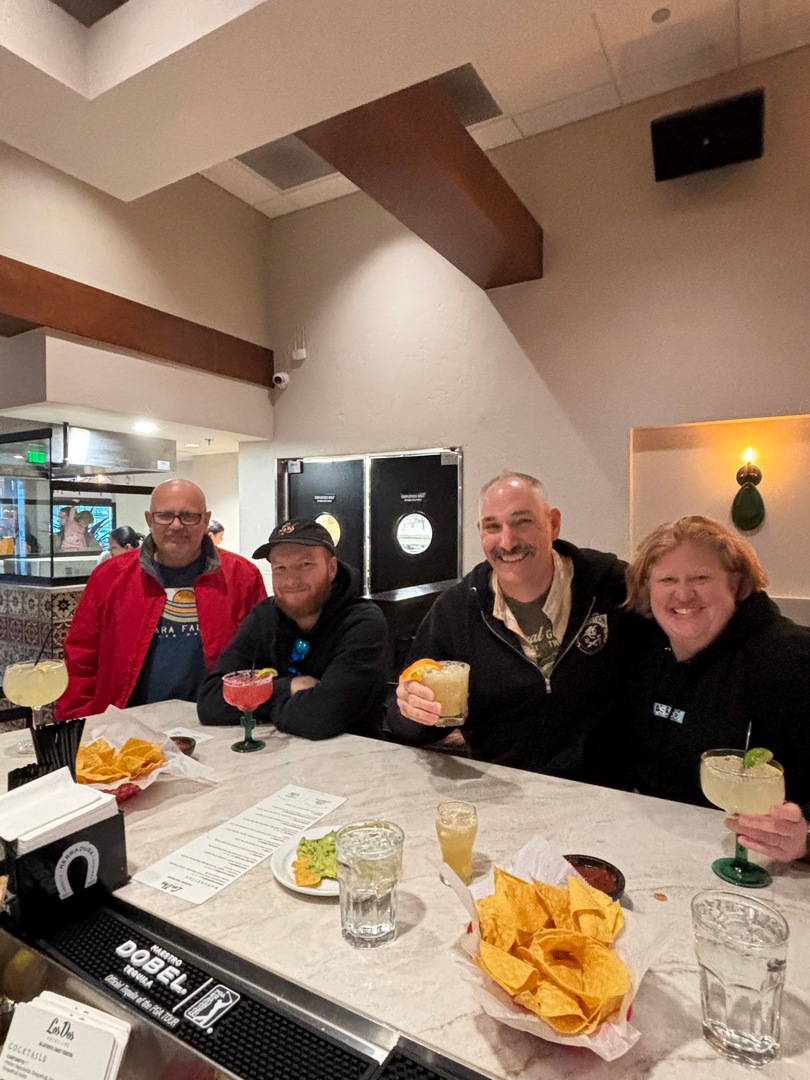
It started, as usual, when Jim Coatney shot me a text, “Hey there is a model show up in Denver, wanna go?” Well, he didn’t have to ask me twice. Jim, Zachary Foster and I piled into my wife’s, my very generous wife BTW, nice big SUV and started heading North like a flock of Canadian Geese. I used to live in Denver and was able to arrange for free accomodations for us, that meant freeing up capital for later! After battling traffic from Pueblo all the way into the heart of Denver, we arrived at my friends house, we were able to relax for a little while, then went out for some Mexican food, with, you guessed it, Margaritas! Not too many as we had to be on our A game to navigate the COMMIES model show on Saturday AM.
Jim had been there last year, Zach and I were first timers. We arrived at the show to find a smallish venue, but the work being exhibited was certainly top notch. The vendor area was also on the smaller side, but there were plenty of great deals to be found. I picked up a Tamiya 48th Corsair, but missed out on a 1:1 scale (real) tailwheel from a 109. Steve Munsal who owns/runs the aftermarket armor company Value Gear was there, we chatted with him a little more about him coming out to one of our club meetings later this year. We placed our models out on the tables in the various categories, then spent a little more time looking at the displayed models and taking stock of our chances at awards. Then it was time……..
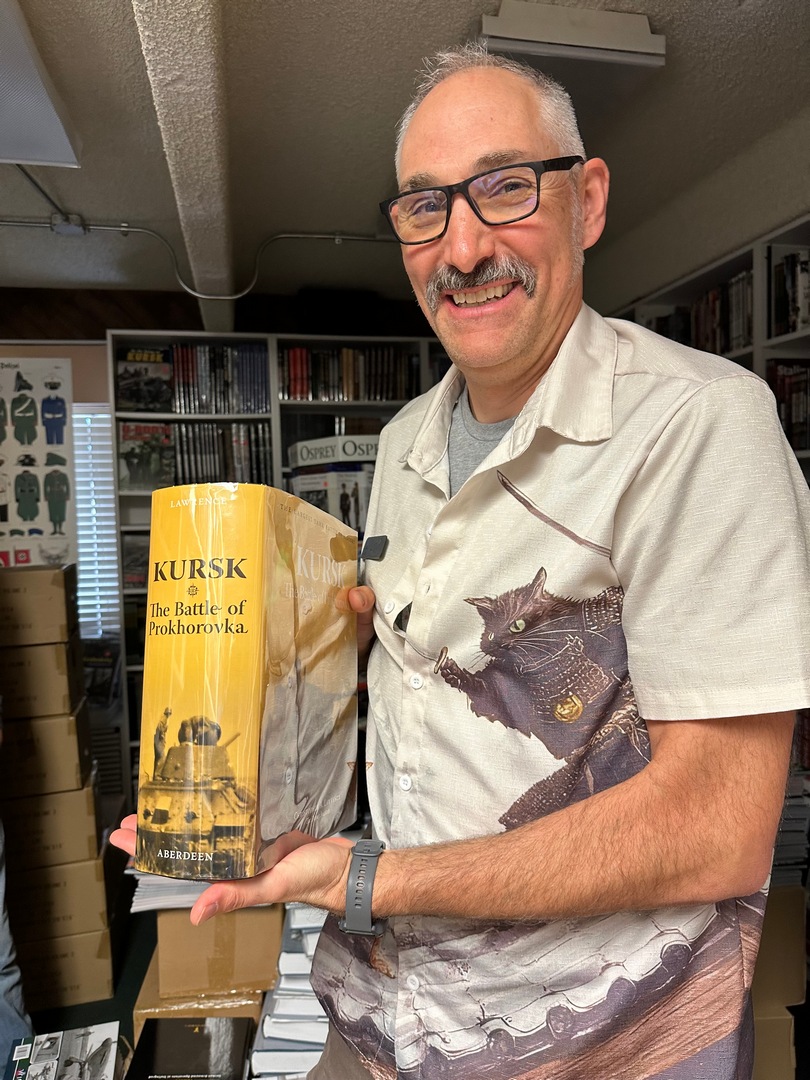
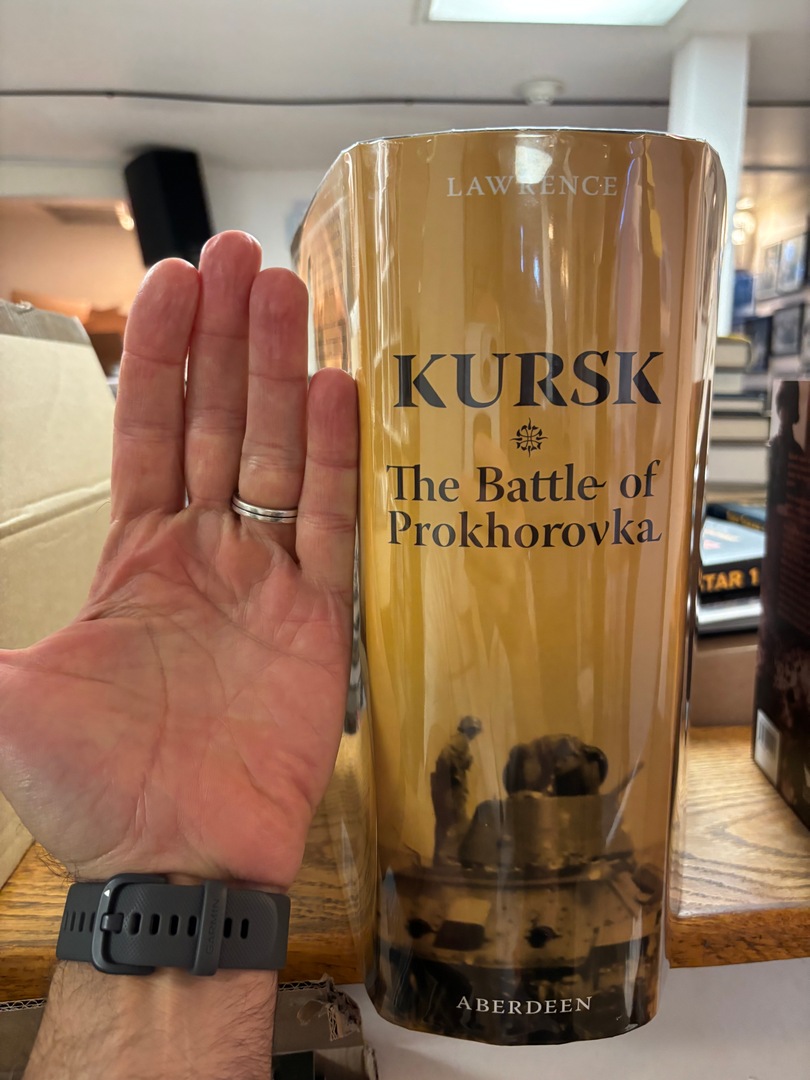
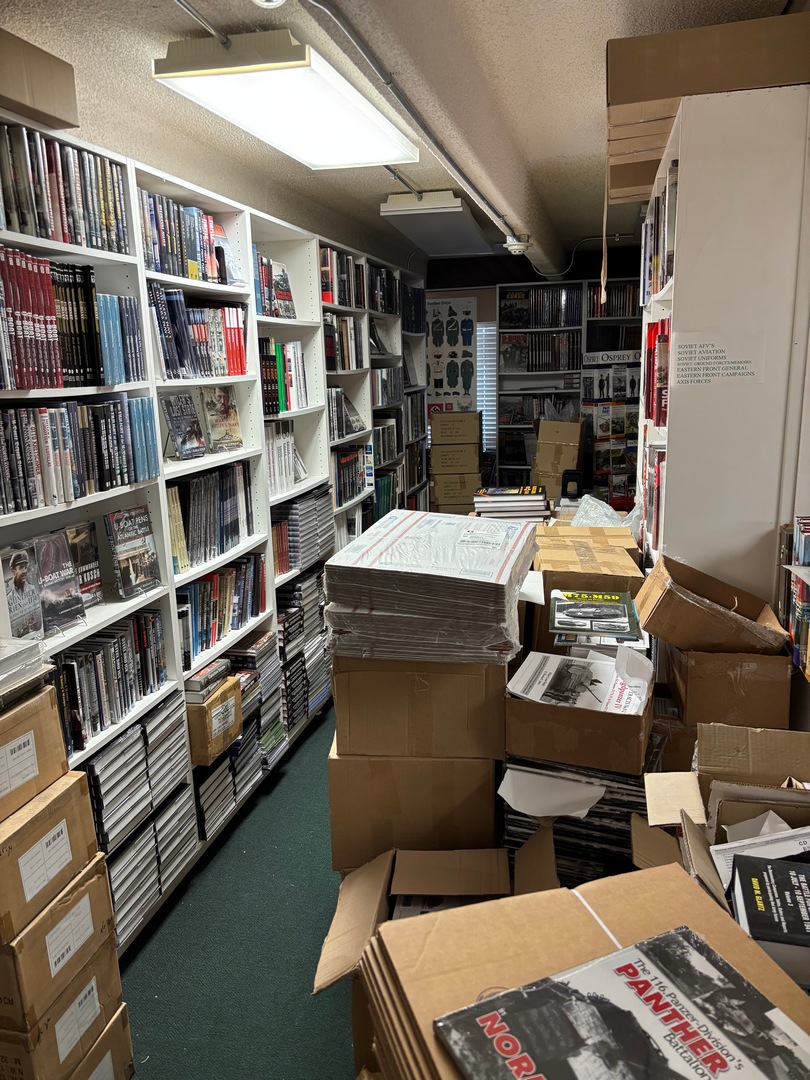
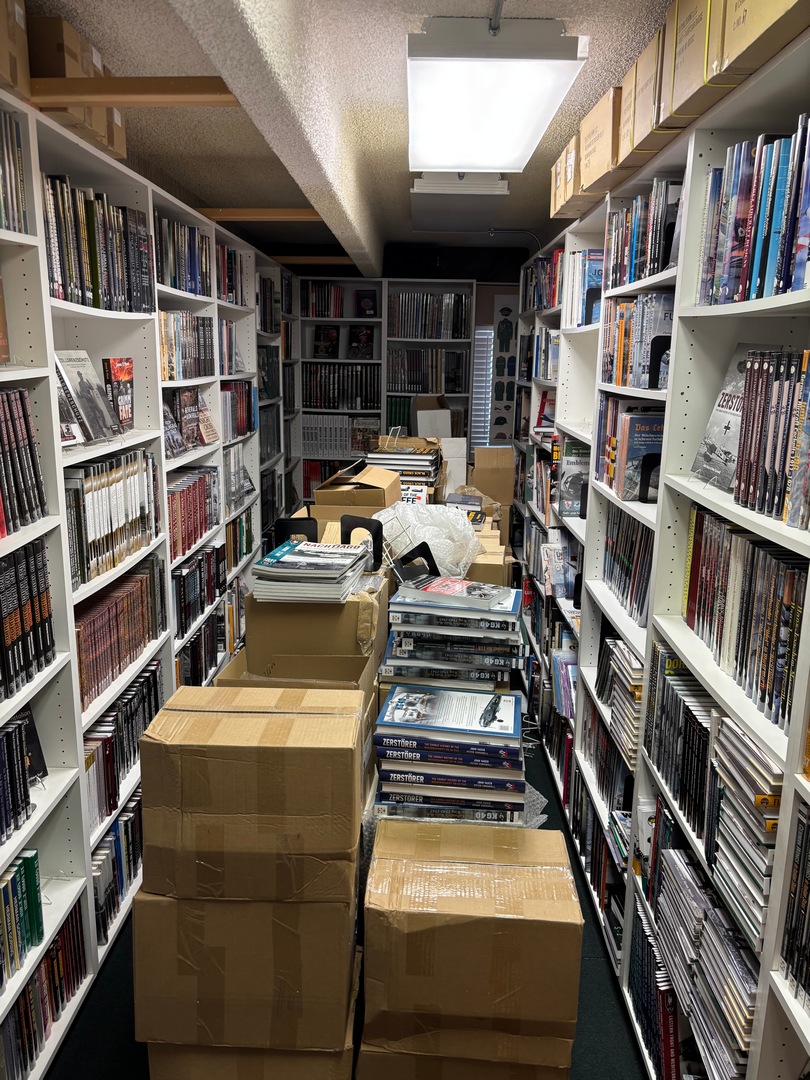
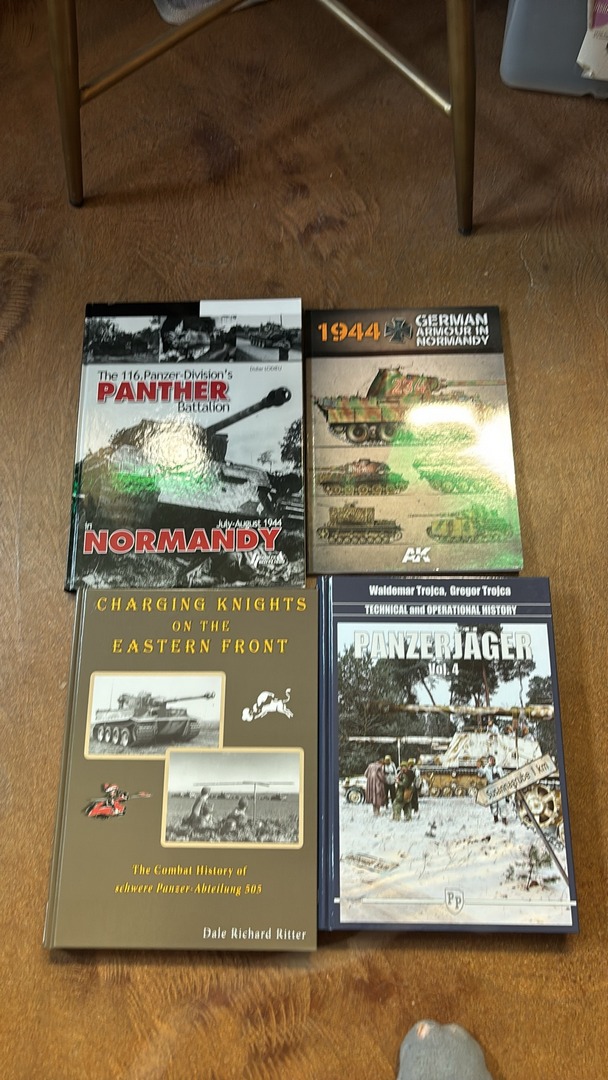
The other big reason to make the trip up to Denver is Aberdeen Bookstore. This is not your run of the mill Barnes & Noble knockoff. This is not even a lovingly appointed cute shop with a cat. No my friends, this is Mecca. The Eighth Wonder of the World. Shangri-La. Call it what you would like, but it is the finest collection of military books on the planet. Piles of them. New. Used. Out of print. First editions. Greek, Roman, Crusaders, Napoleon, Civil War, WWI, Korea, Vietnam, Desert Storm… What am I missing? Oh yeah, WWII. Lots of WWII. And by lots, I mean an absolute archive. Want a book on the 116th Panzer Division’s Panther Company? Yeah, I bought that one. Need a book on the 505th Heavy Panzer Battalion, check. Do you need a minute by minute account of the Battle of Prokhorovka (Kursk), well, I actually passed on that 1,700 page behemoth. Zach said at least eight times, “this is the last book I want.” If you have never been to this book store, it is truly remarkable and I cannot suggest it highly enough.
After our wallets were significantly drained, we decided that it was time to high tail it back to the show to see how we did. Although none of us walked with any “Best of’s,” we did manage to walk away from some pretty stiff competition with a pair of second places courtesy of Jim and Zach. As the show wound down we were able to chat with some of the folks there, introducing ourselves and our club, and congratulate some of the winners. Time was running short and we had to scurry along for the last bit of entertainment for the trip, opening weekend for the Rockies.
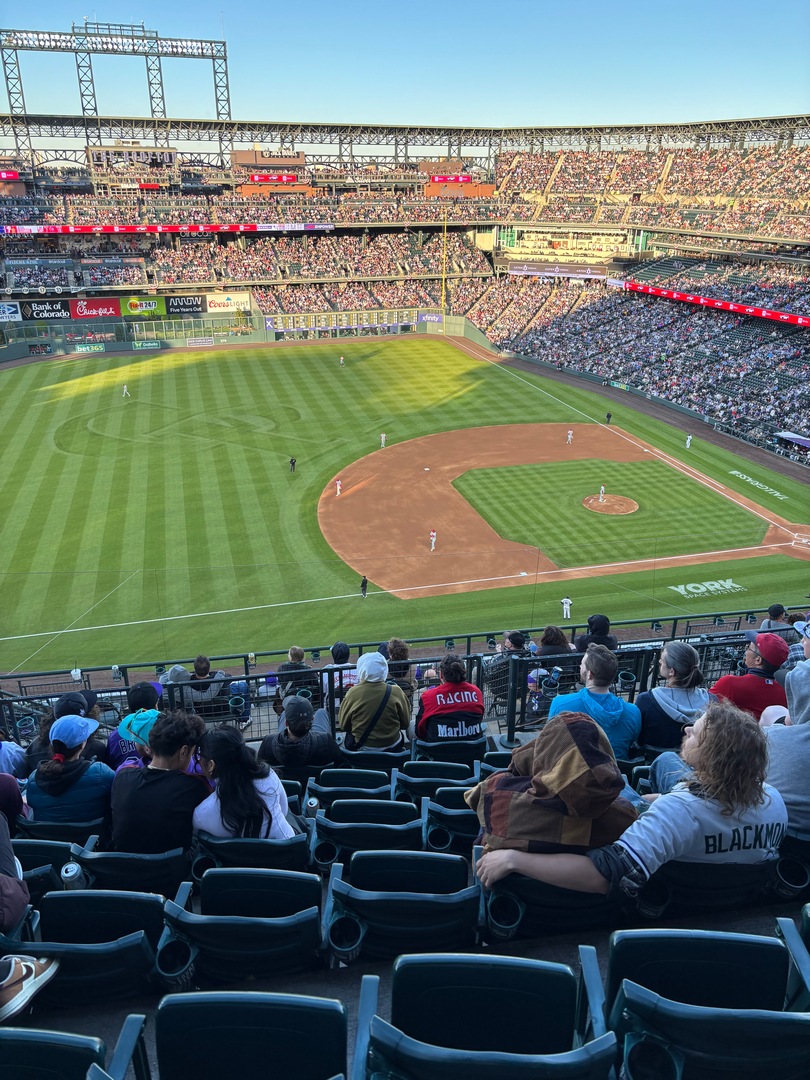
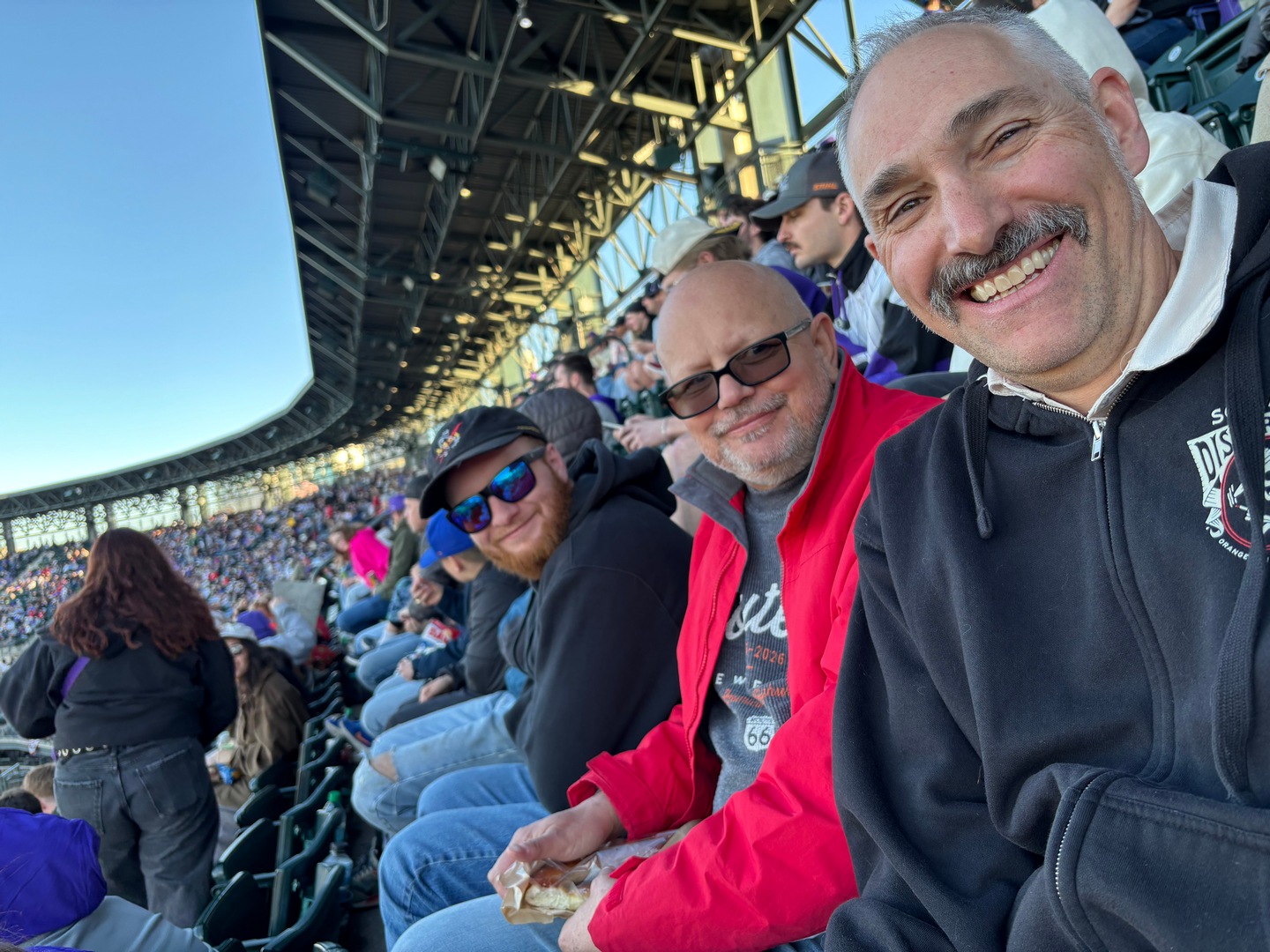
My friends in Denver had snagged some tickets for us, so we grabbed some warmer clothes and took the light rail to the stadium. What a fun night. Great stadium. Great weather. Great friends to go and hang out with. Dinner made up of Hot Dogs, Nachos, Beers and whatever else we fancied. It certainly was not a pitching dual, and the Rockies were not looking like they were going to mount a rally when we left in the 8th inning.
The following morning we went out for breakfast, bade our host farewell, then hopped back into my wife’s car and pointed South for the return trip.
There are lots of reasons to go to a model show. Some folks go for all the good deals to be found in vendor rooms. Some folks go to ooh and aaah over the masterful works that are on display. Some folks go to visit with old friends or to see some of the new friends that we make along the way. Some people go for the competition- “how do I stack up?” Conan the Barbarian goes to crush his enemies, to see them driven before him, and to hear the lamentations of their women, but as I said, everyone has different reasons for going. I go to shows for all of those reasons (except Conan’s) but perhaps it is mostly to sample a margarita in a different town!
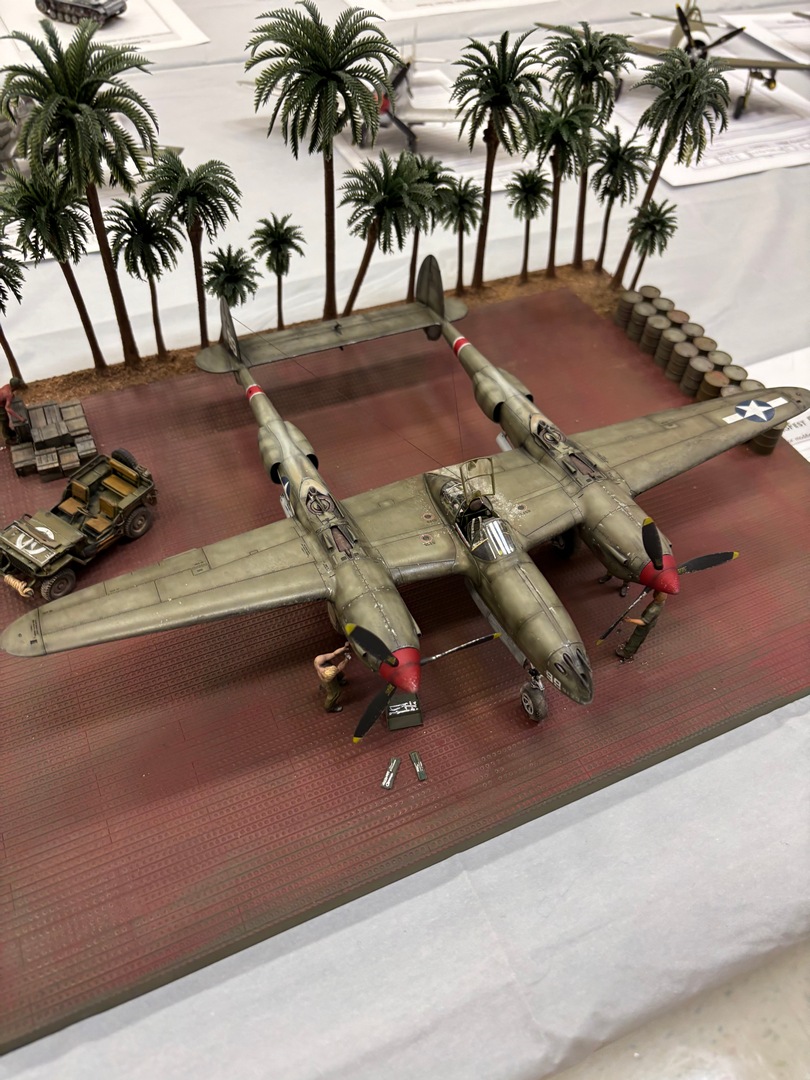
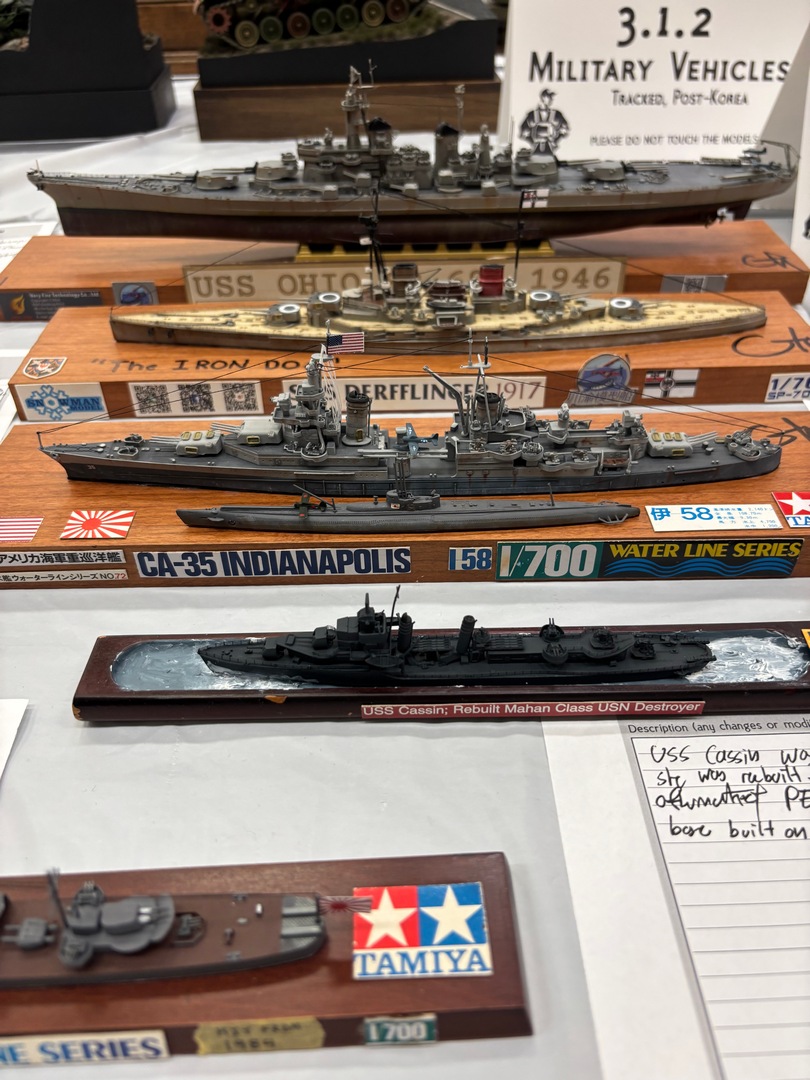
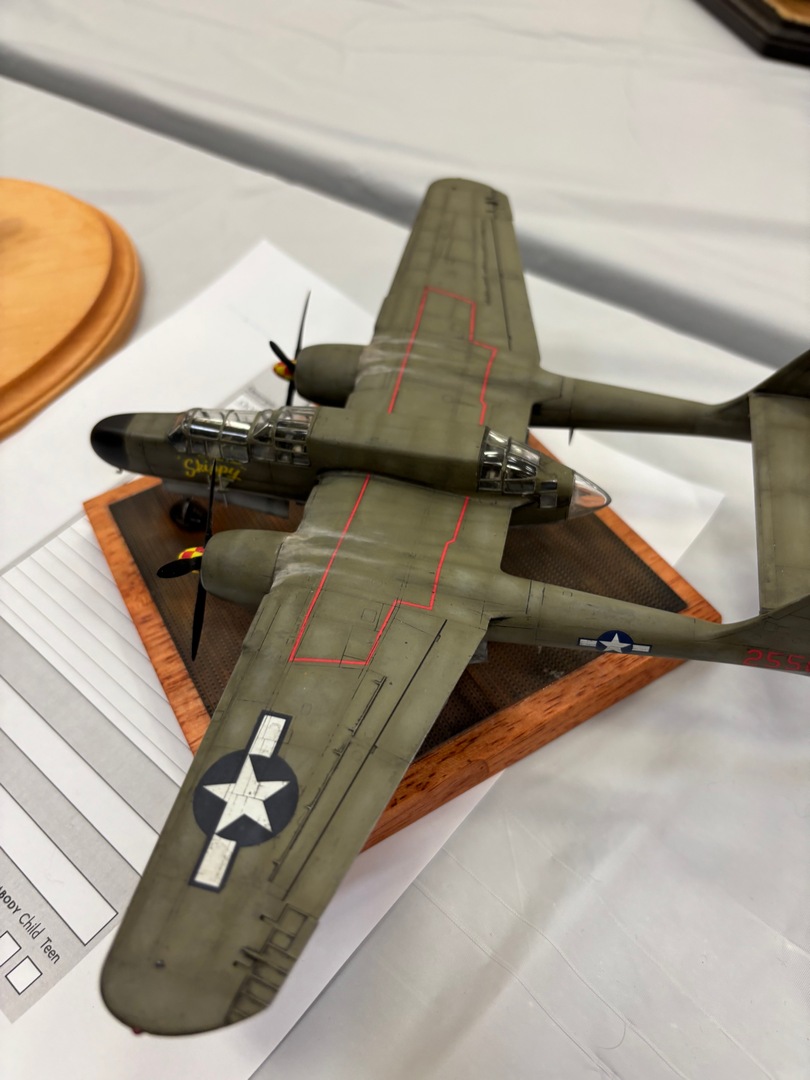
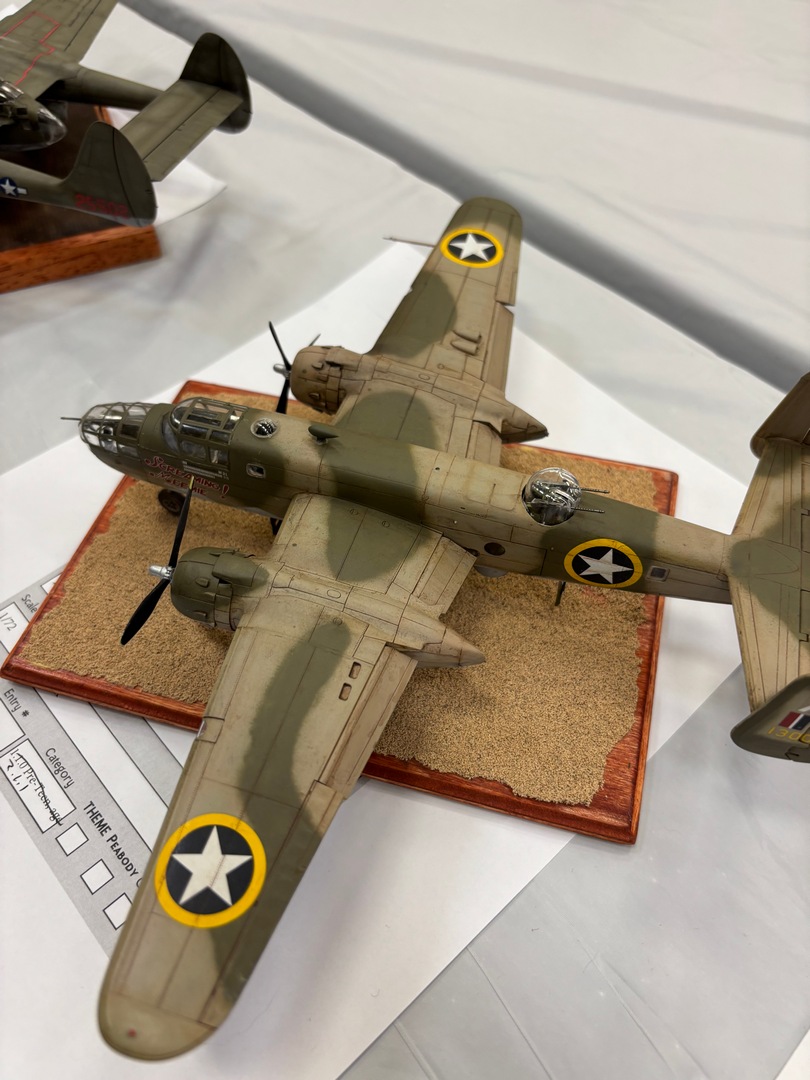
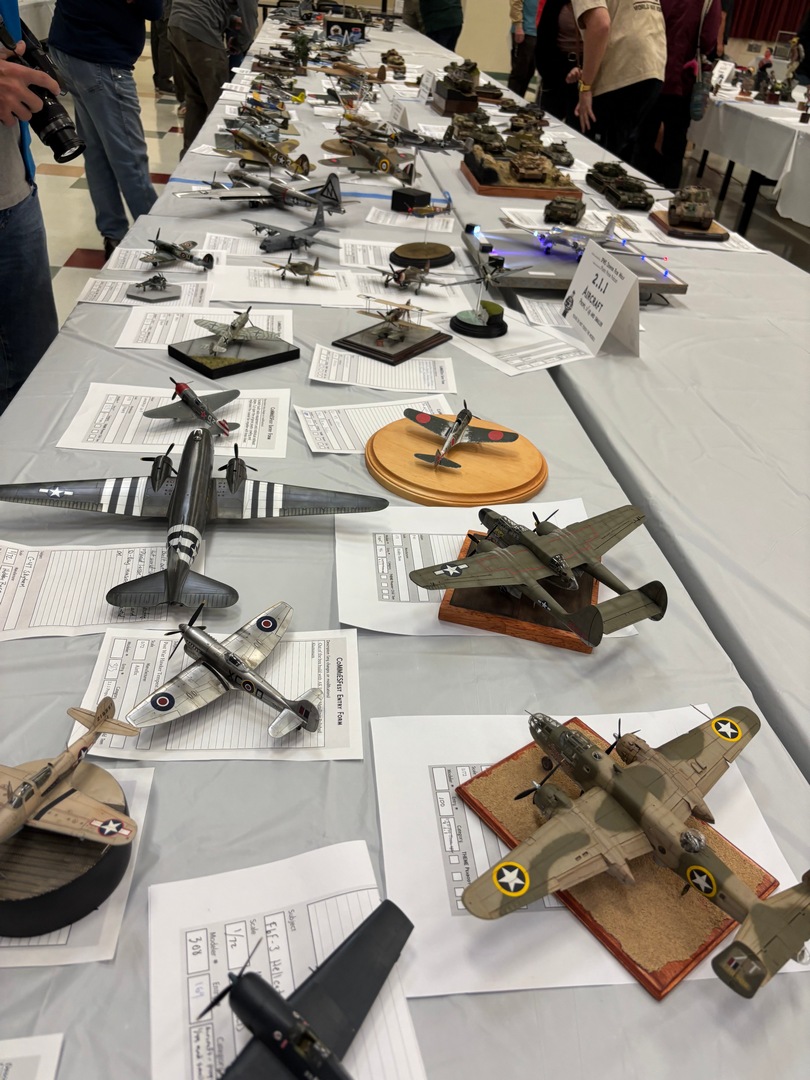
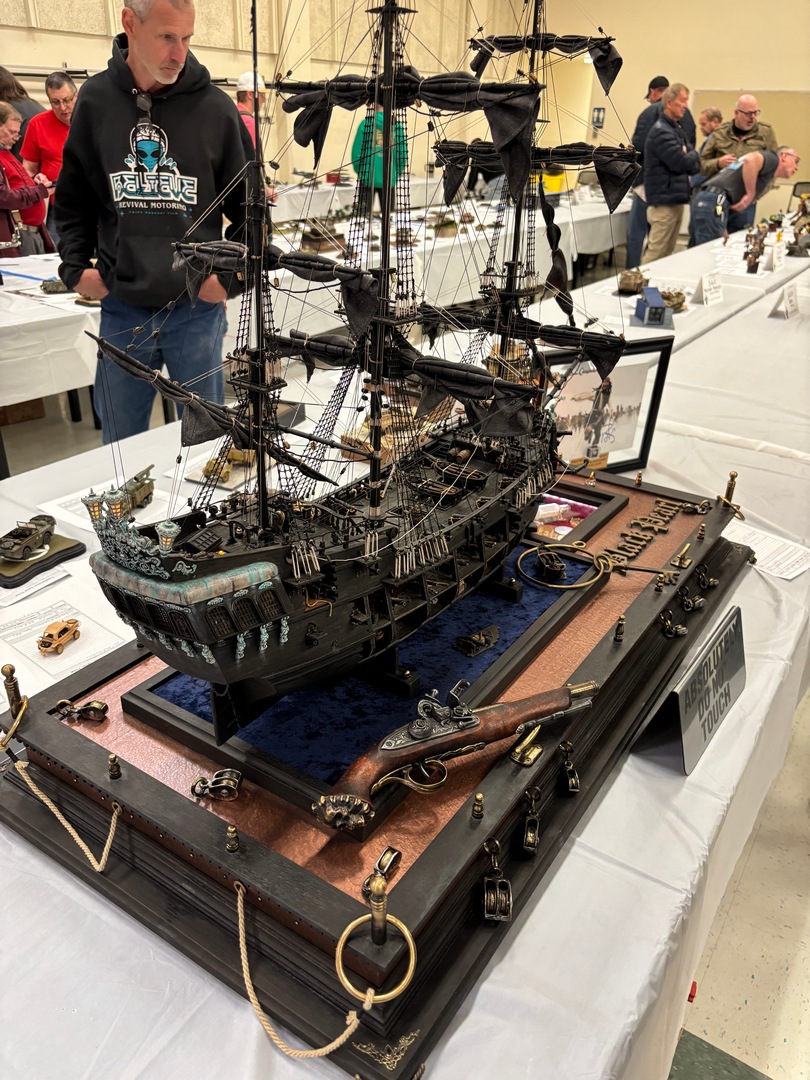
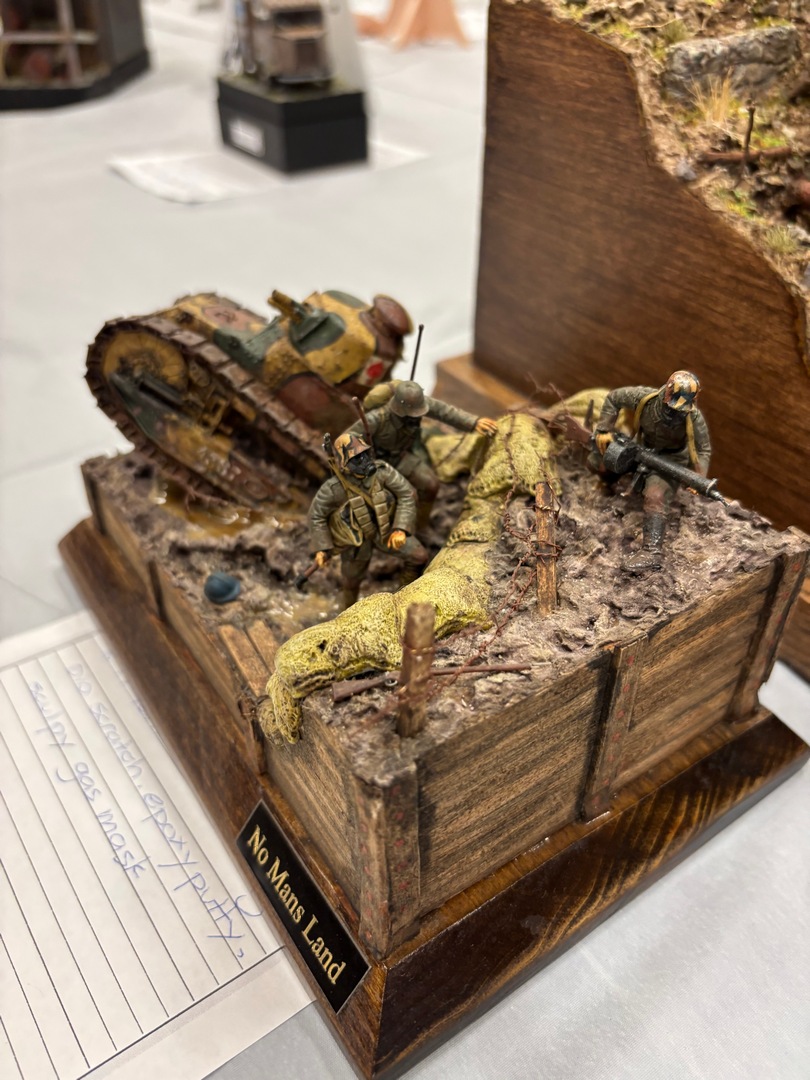
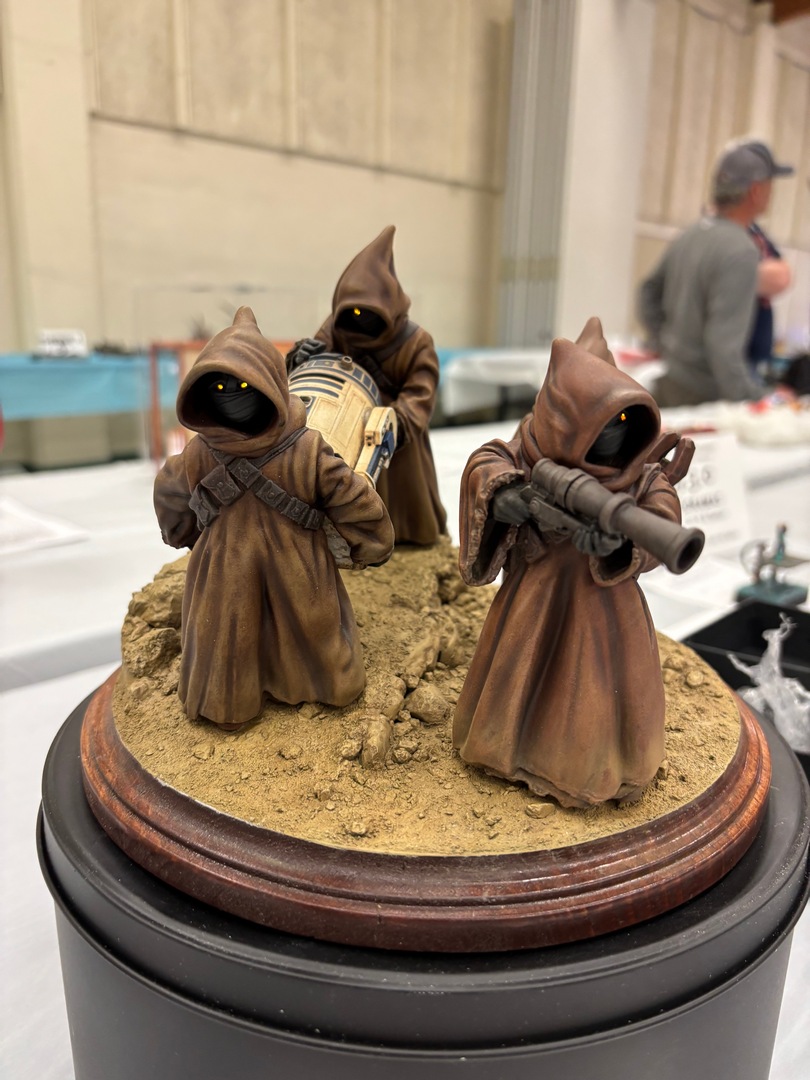
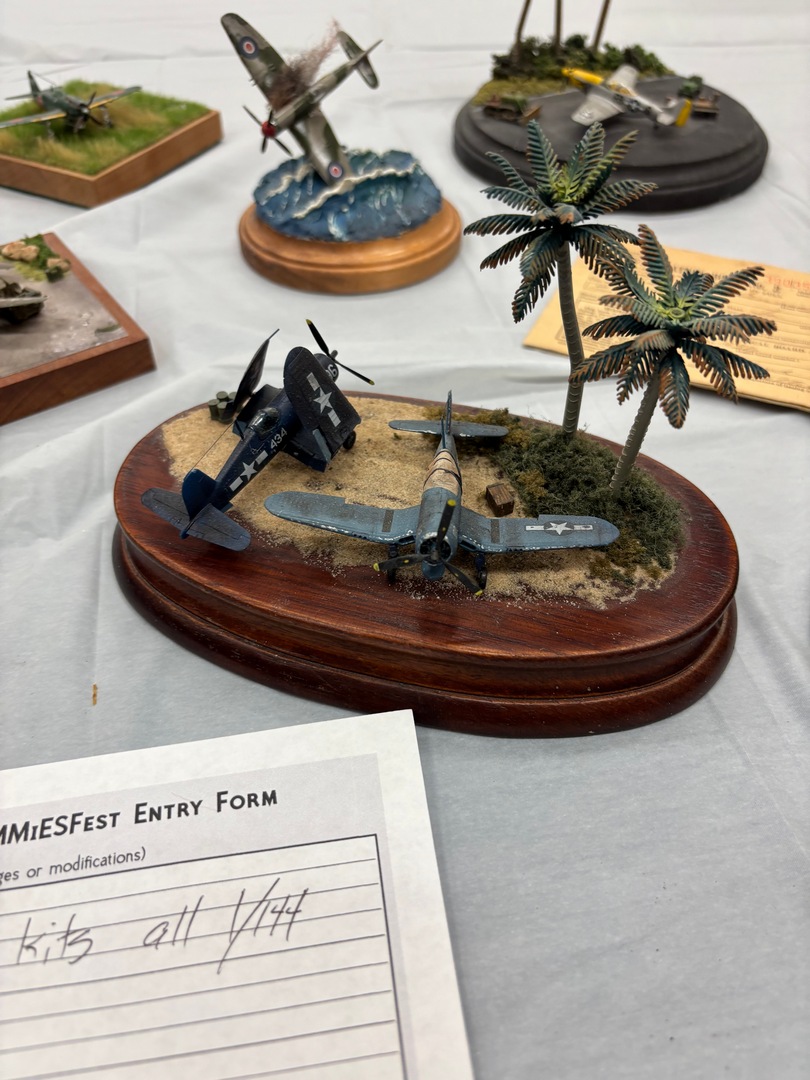
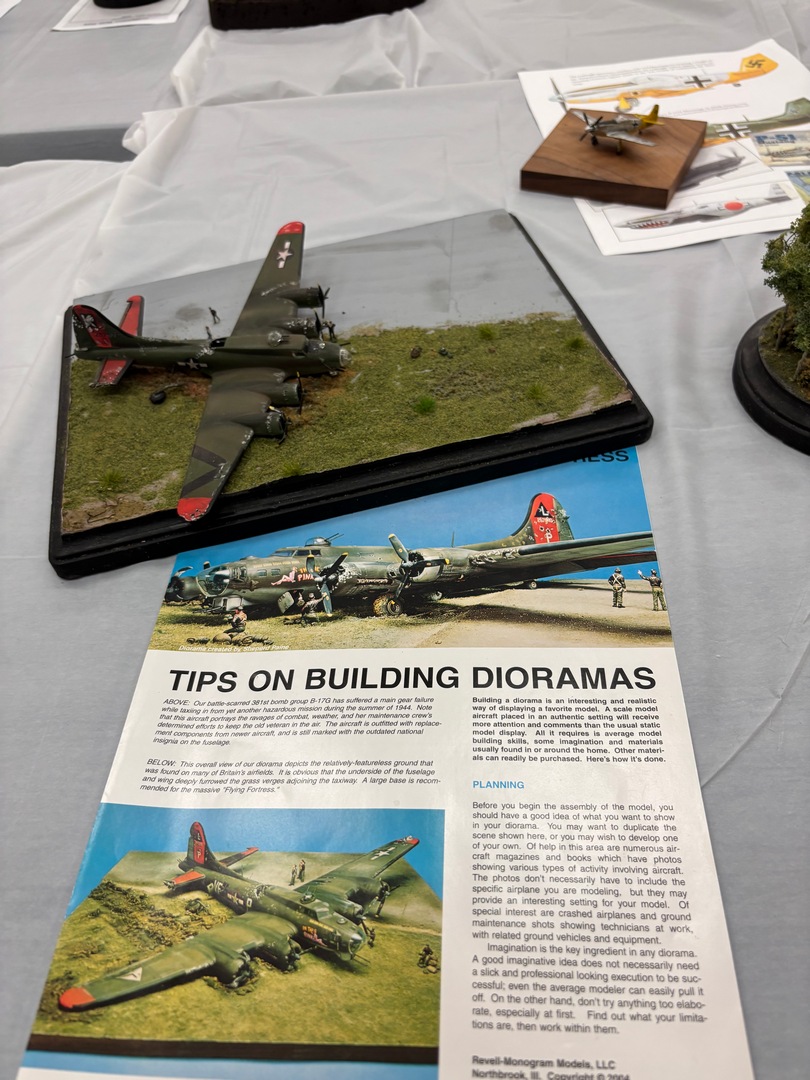


A few different sources on the planned releases from Revell.
https://www.facebook.com/share/r/17CNPKRtqi/
New releases for 2026 – from Revell

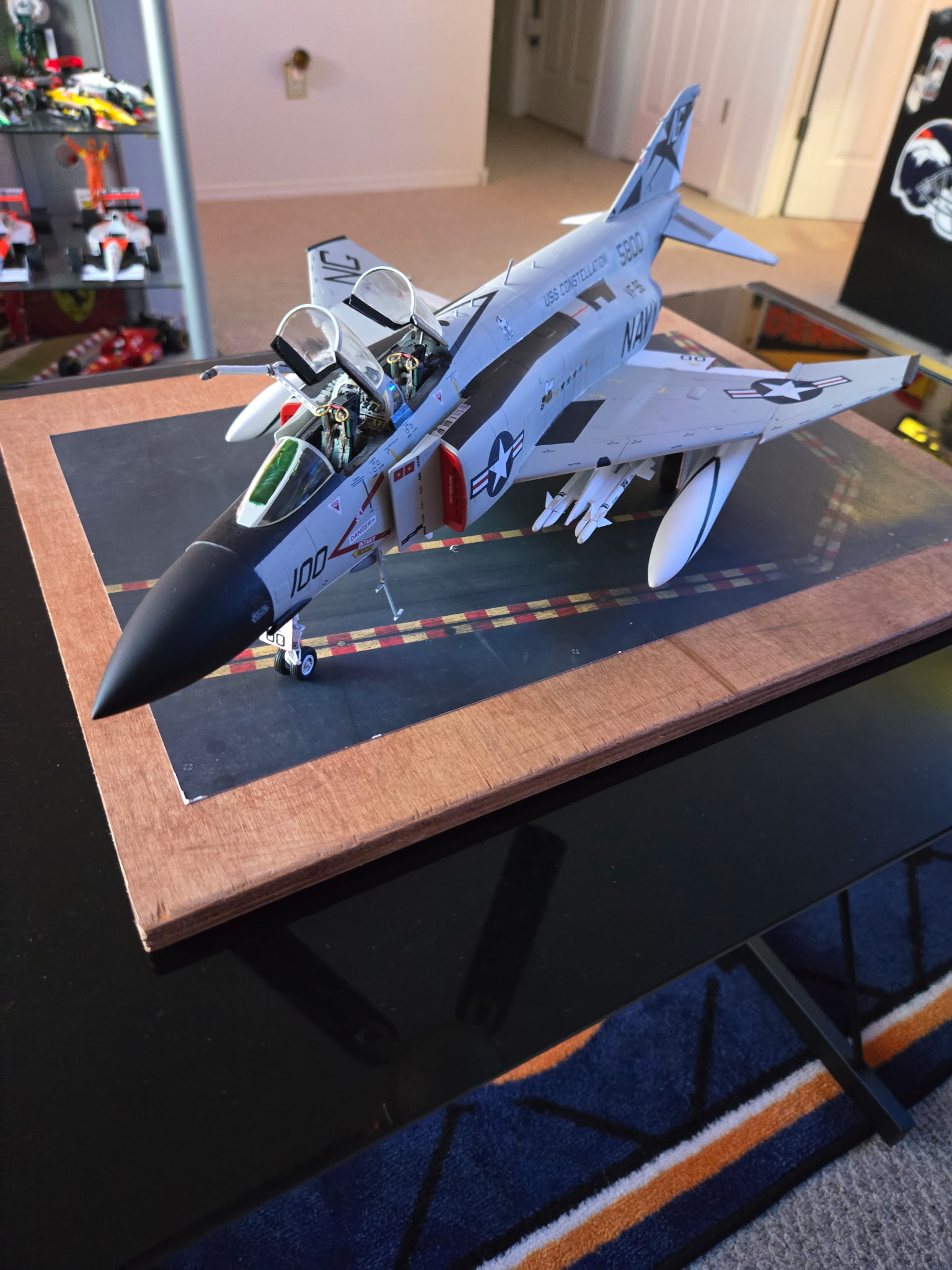
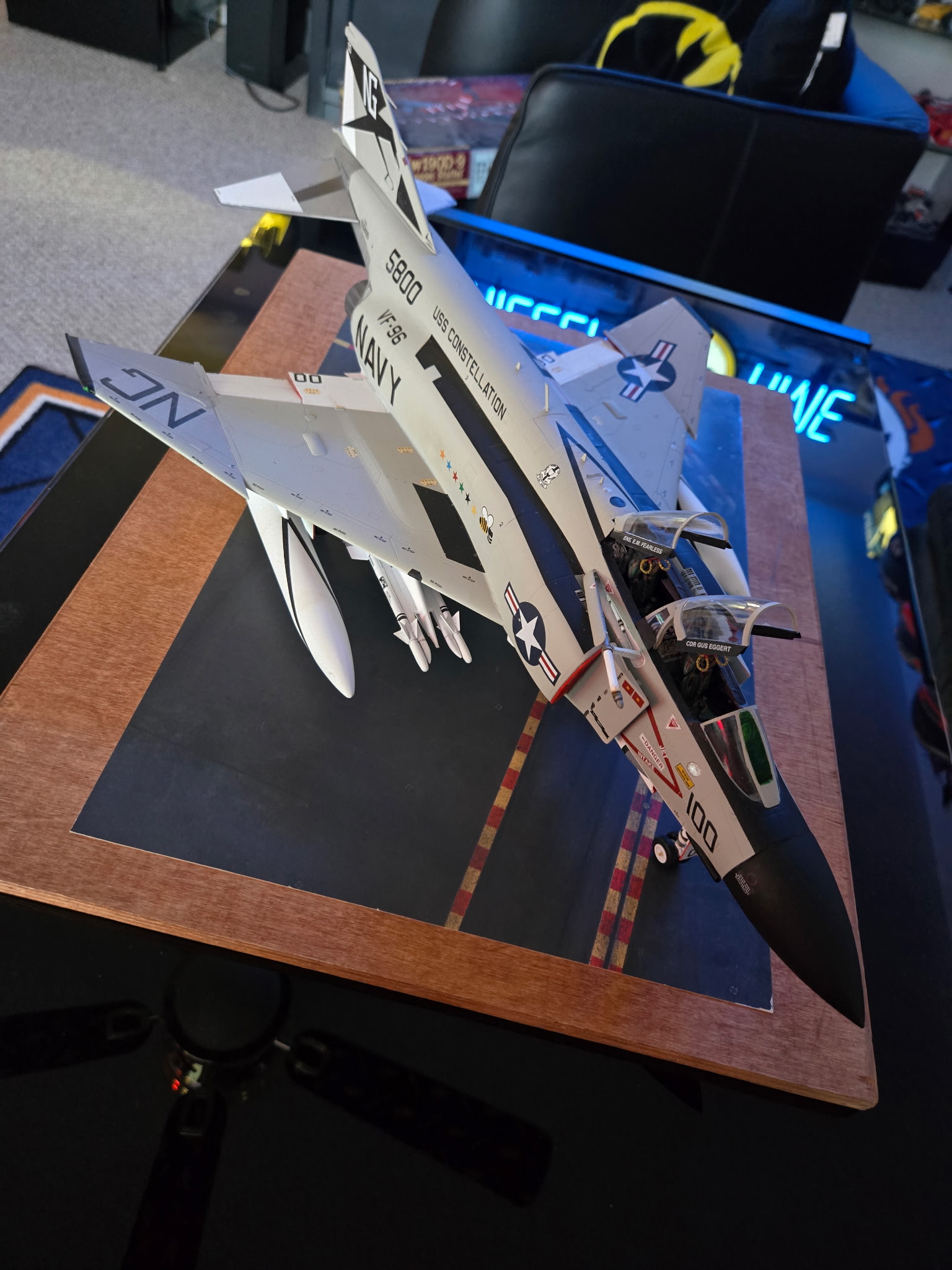
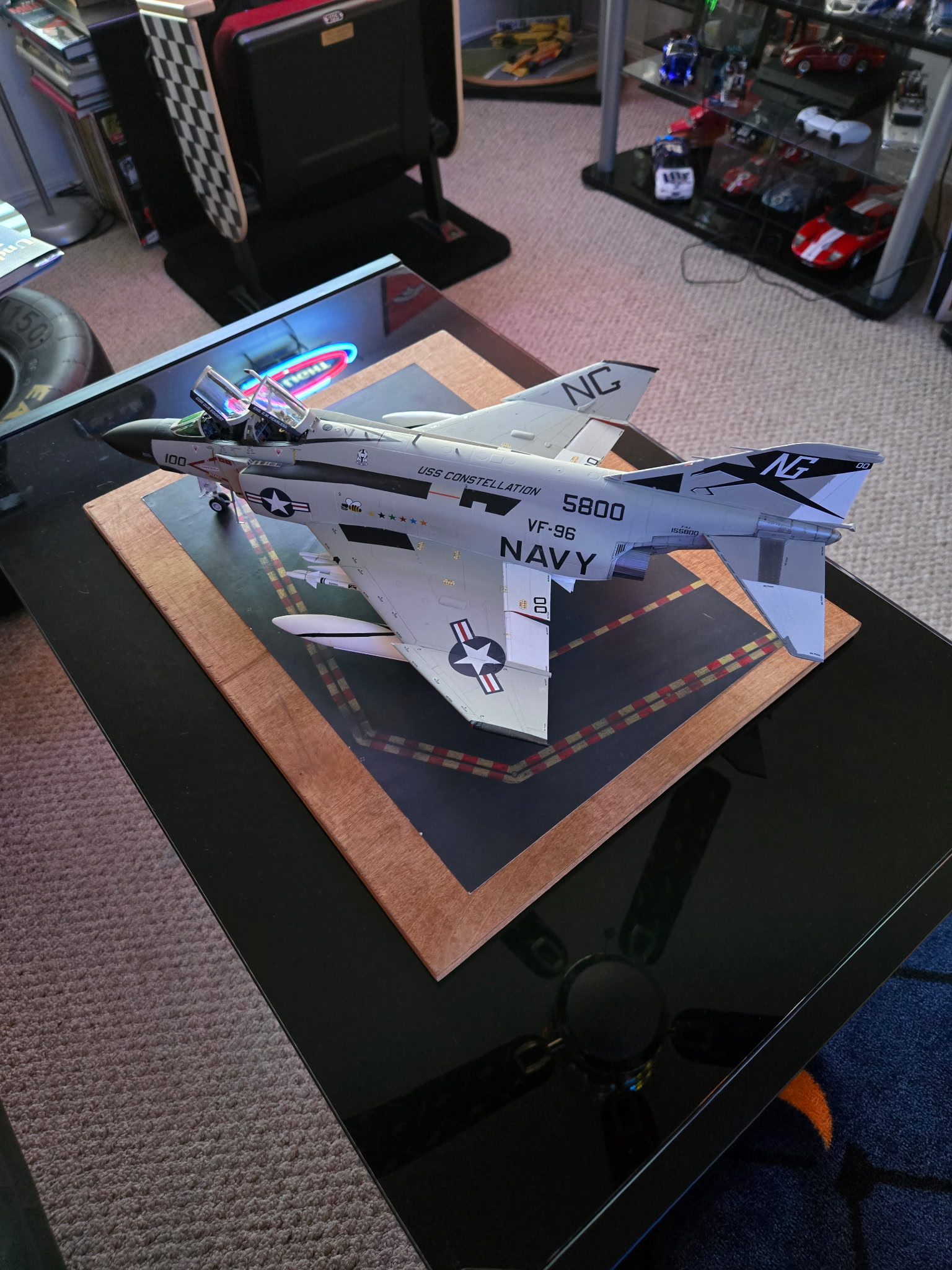
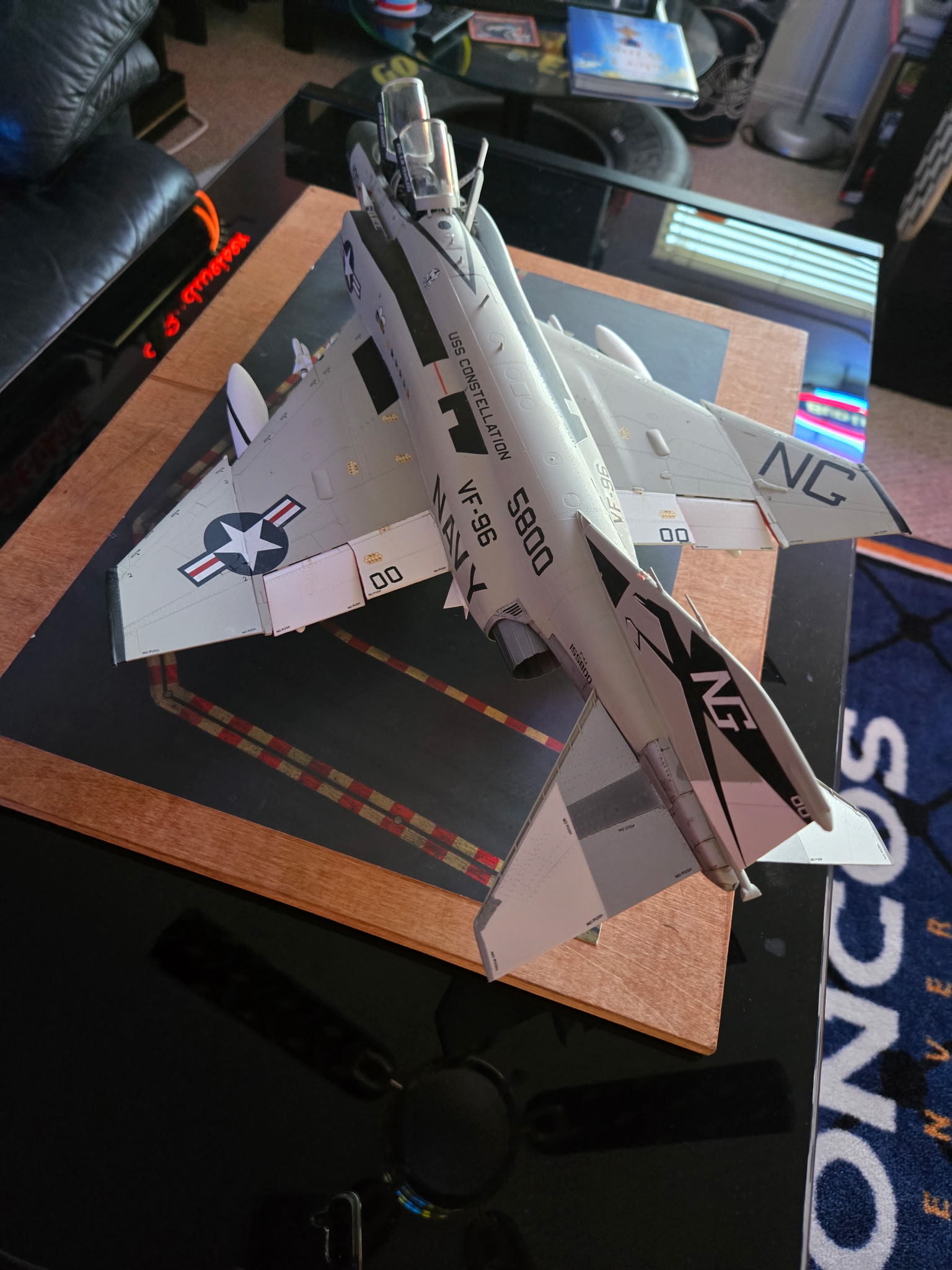
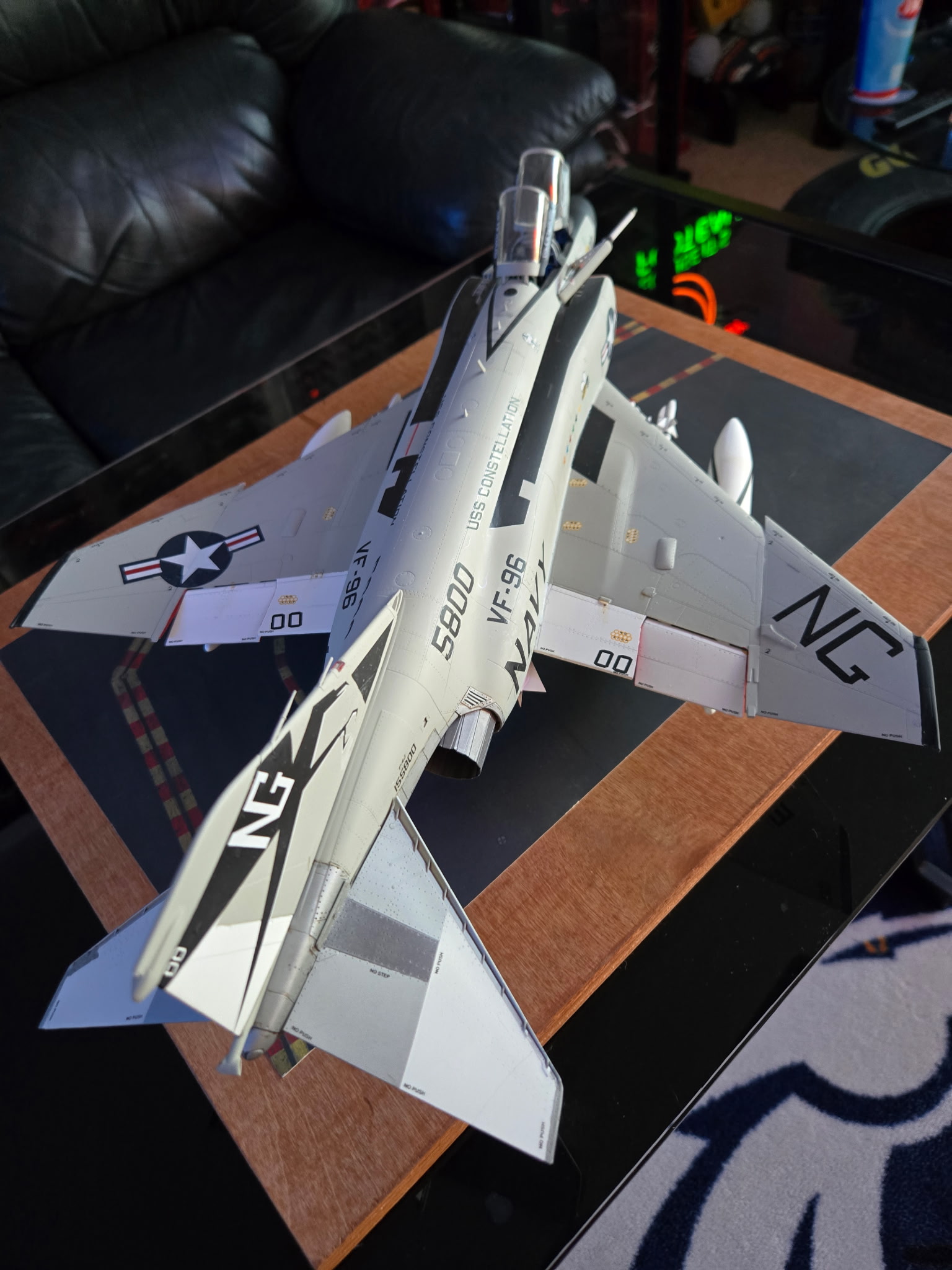
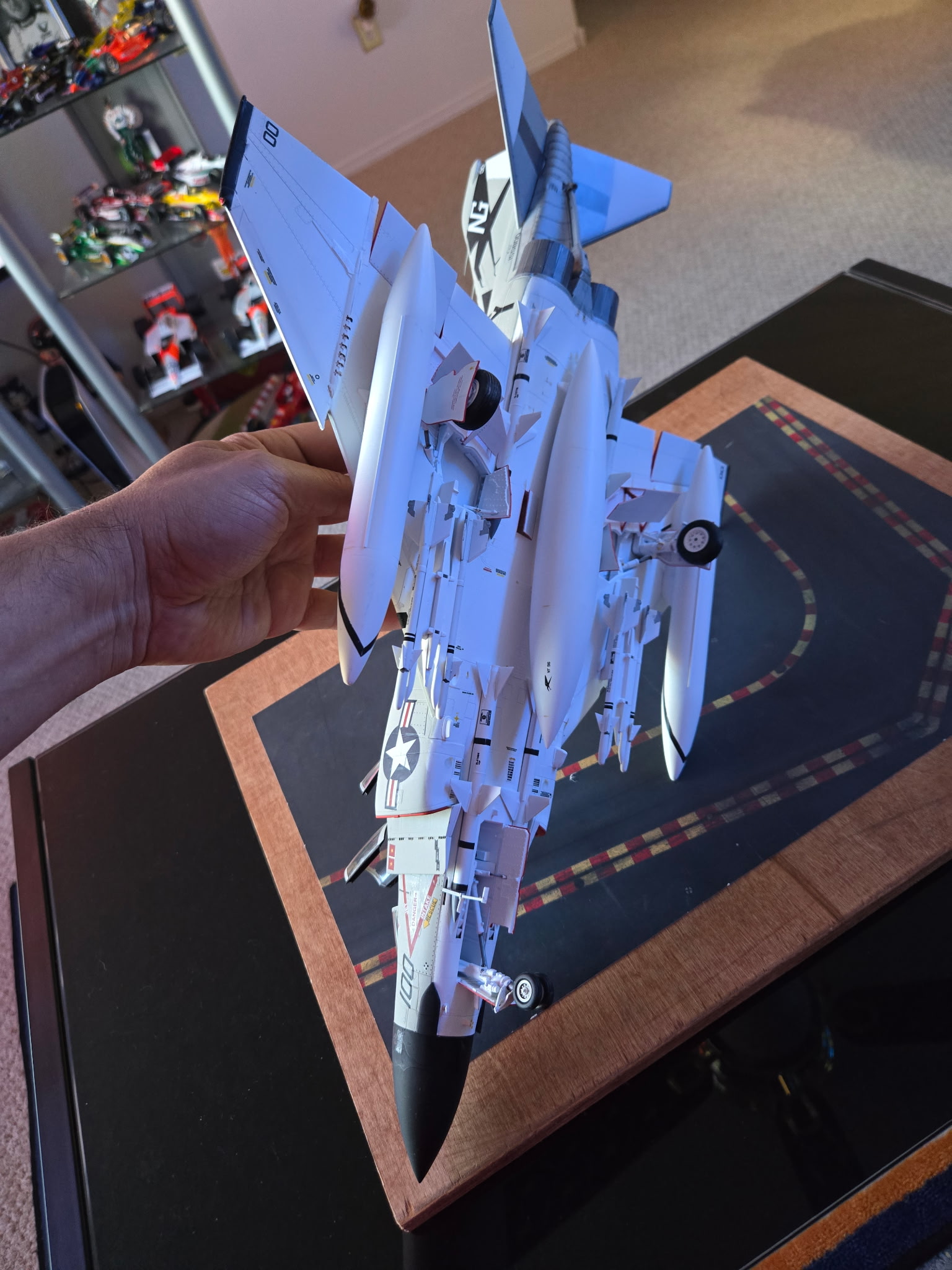
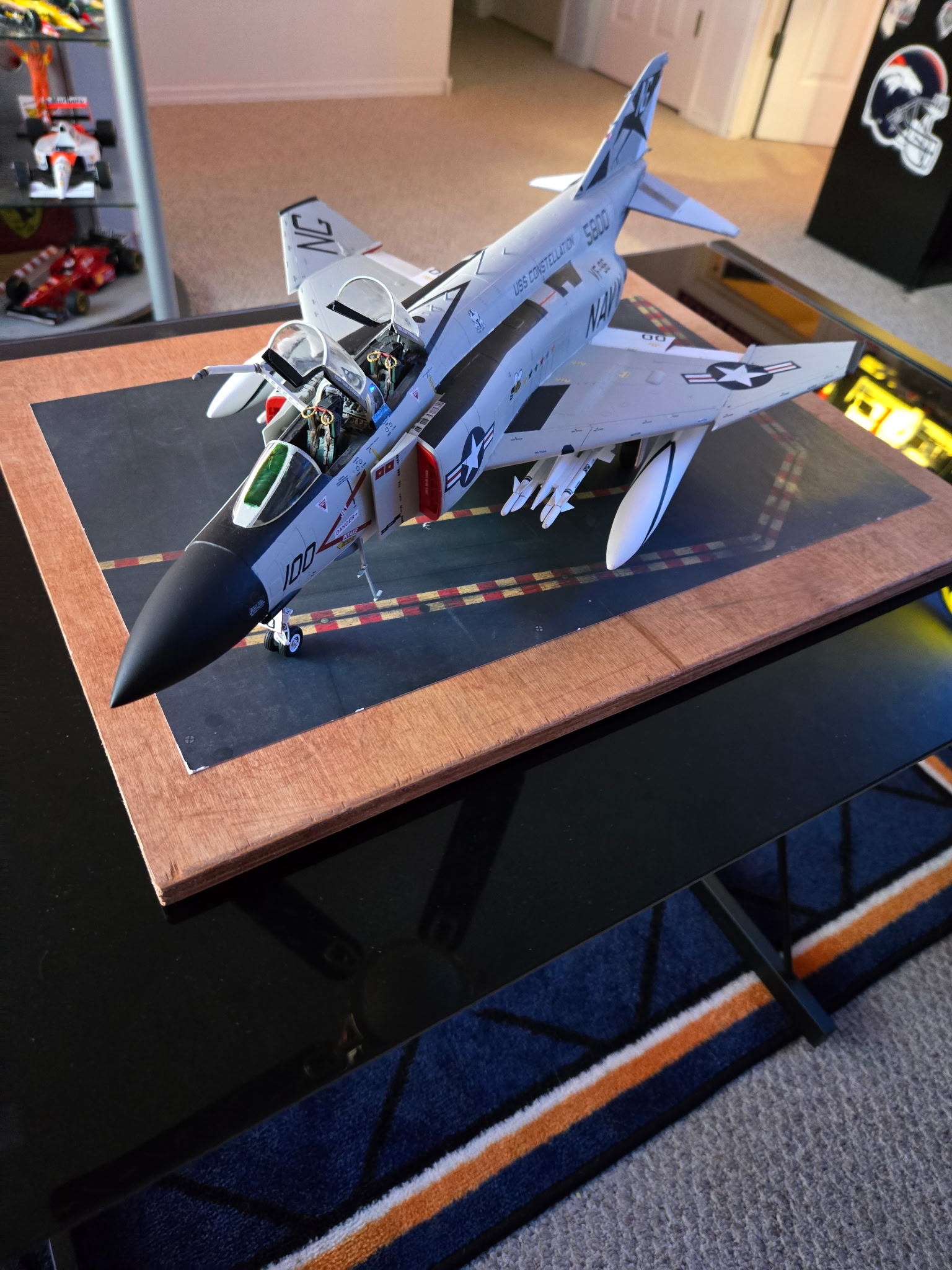
Posted below are pictures of Adrian Montano’s excellent build of Tamiya’s 1/32 scale F-4J Phantom II in the scheme of “Showtime 100” that was flown by Duke Cunningham and Willie Driscoll on their historic three-victory mission where they became the US Navy’s only aces in the Viet Nam war. Adrian built this F-4J about 10 years ago.
This article supports previously posted articles on the passing of Cunningham and the various issues of model kits depicting “Showtime 100,” and Mike Blohm’s article on his build of Monogram’s 1/72 scale F-4J kit in that scheme. If anyone else in the club has built a “Showtime 100” model please contribute to this thread.

ASM Model Display at Kirtland AFB USAF Anniversary History Symposium
By Mike Blohm
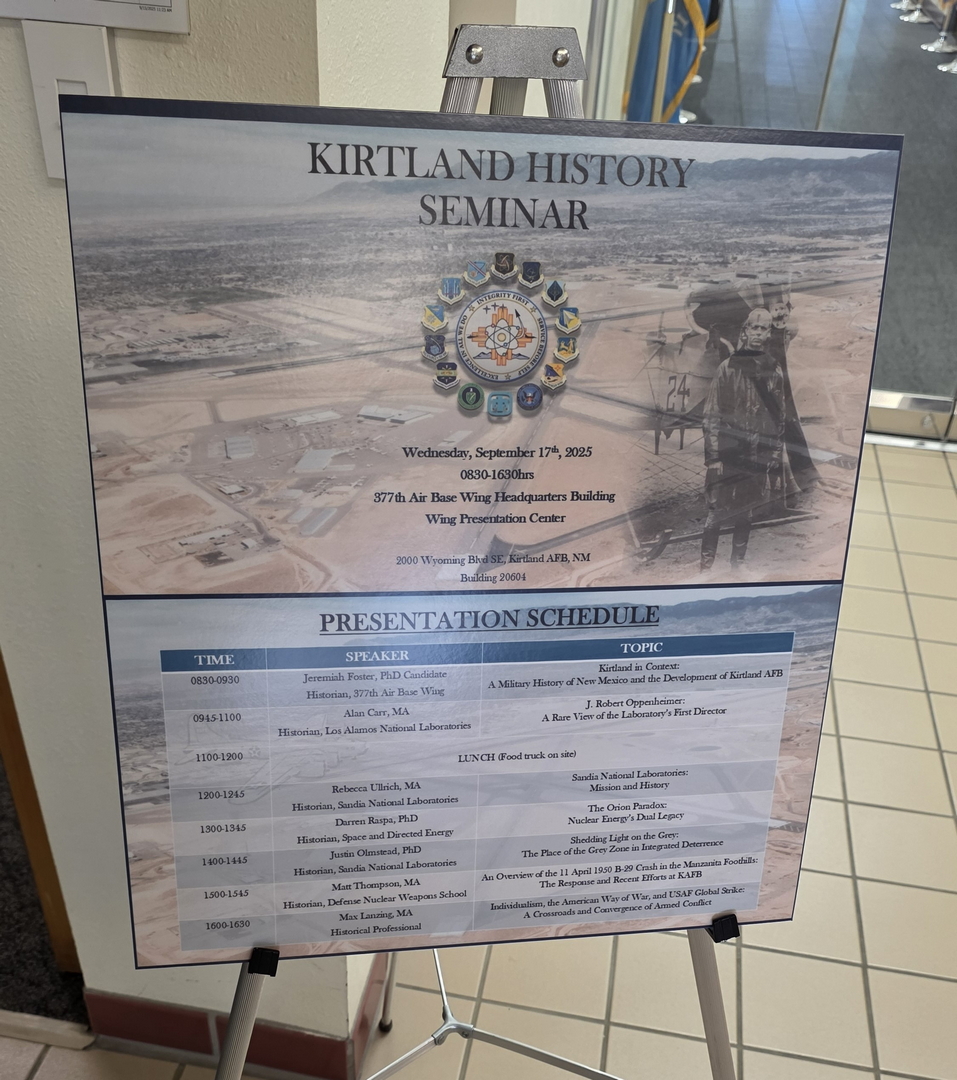
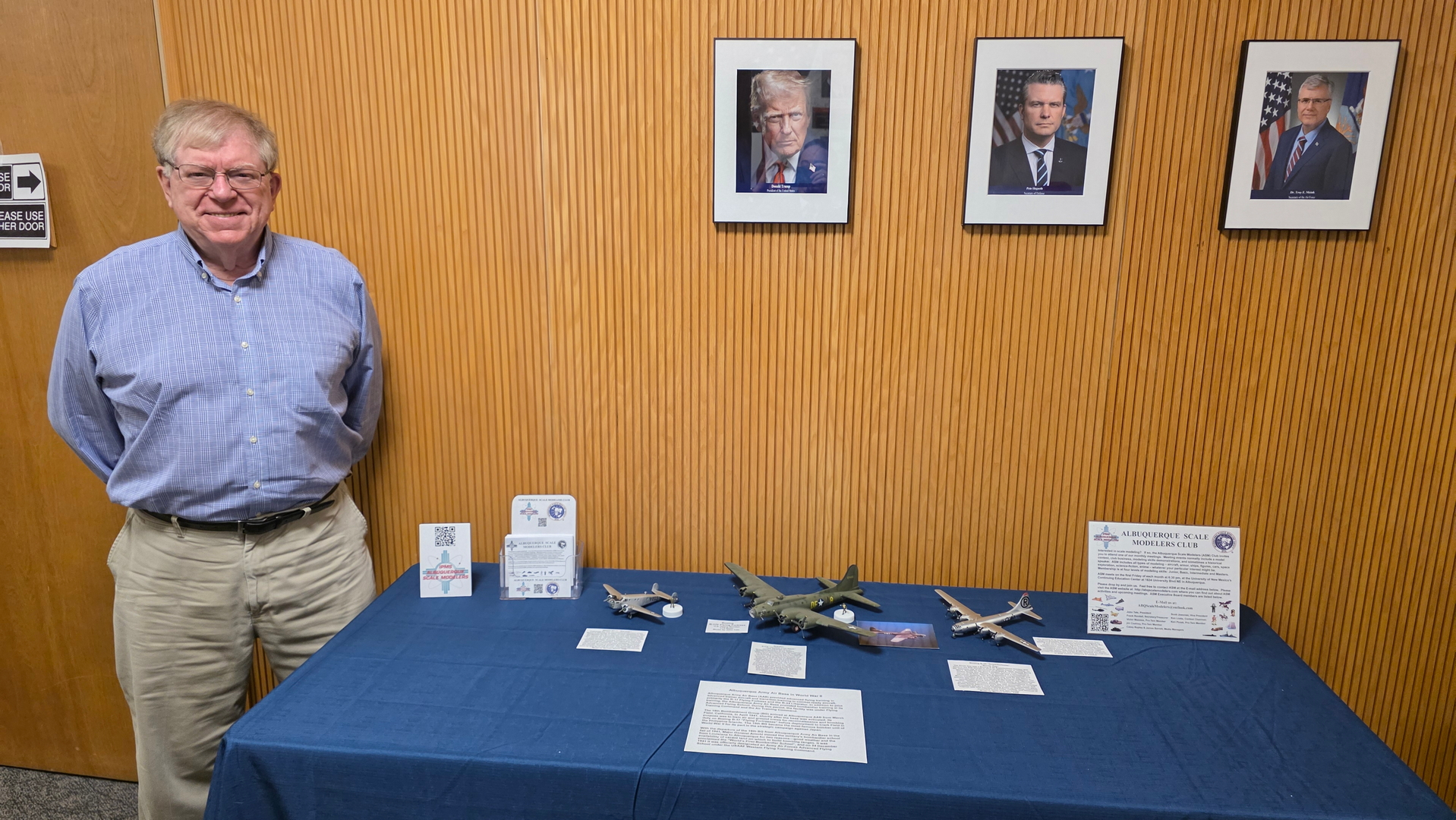
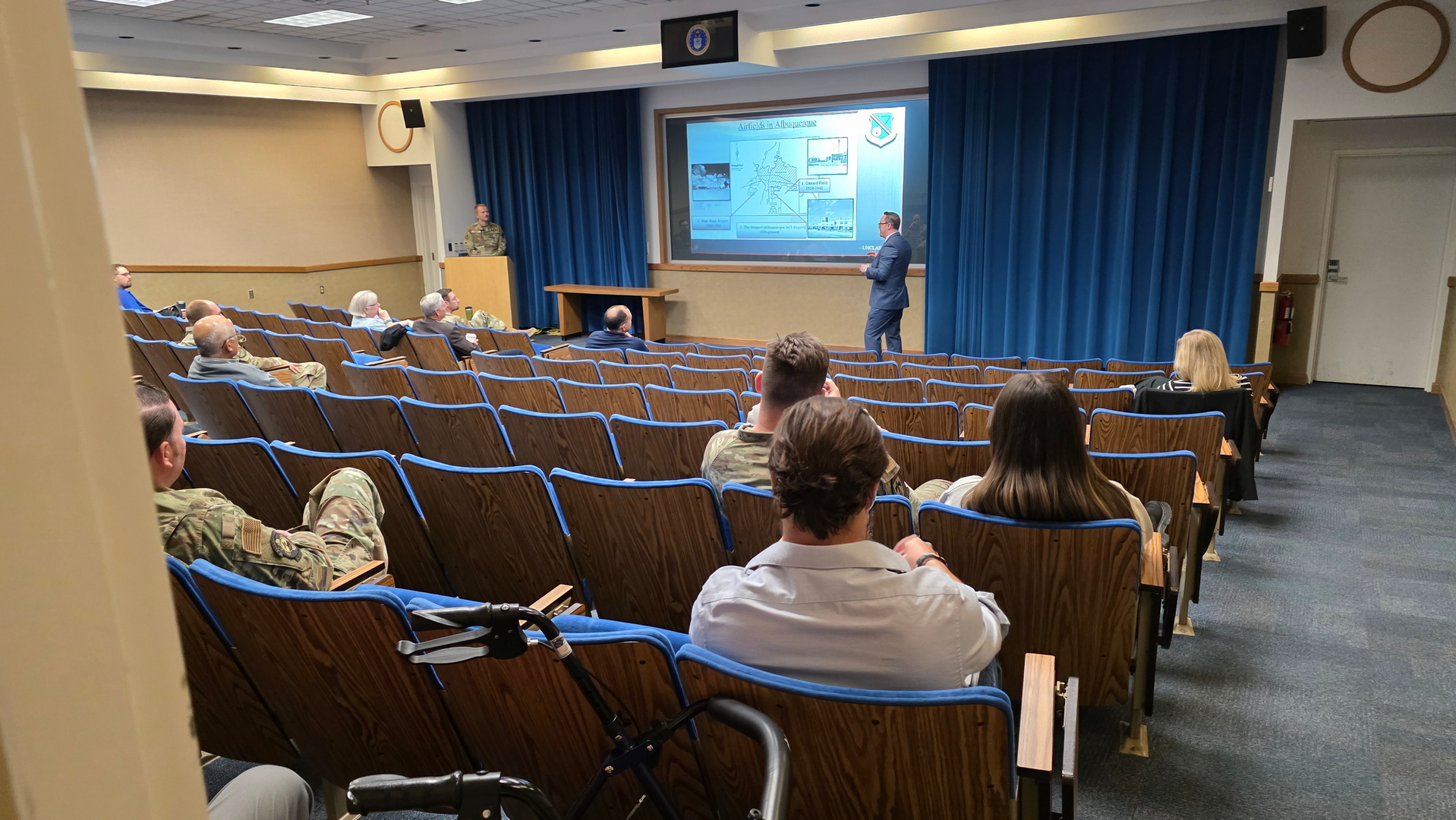
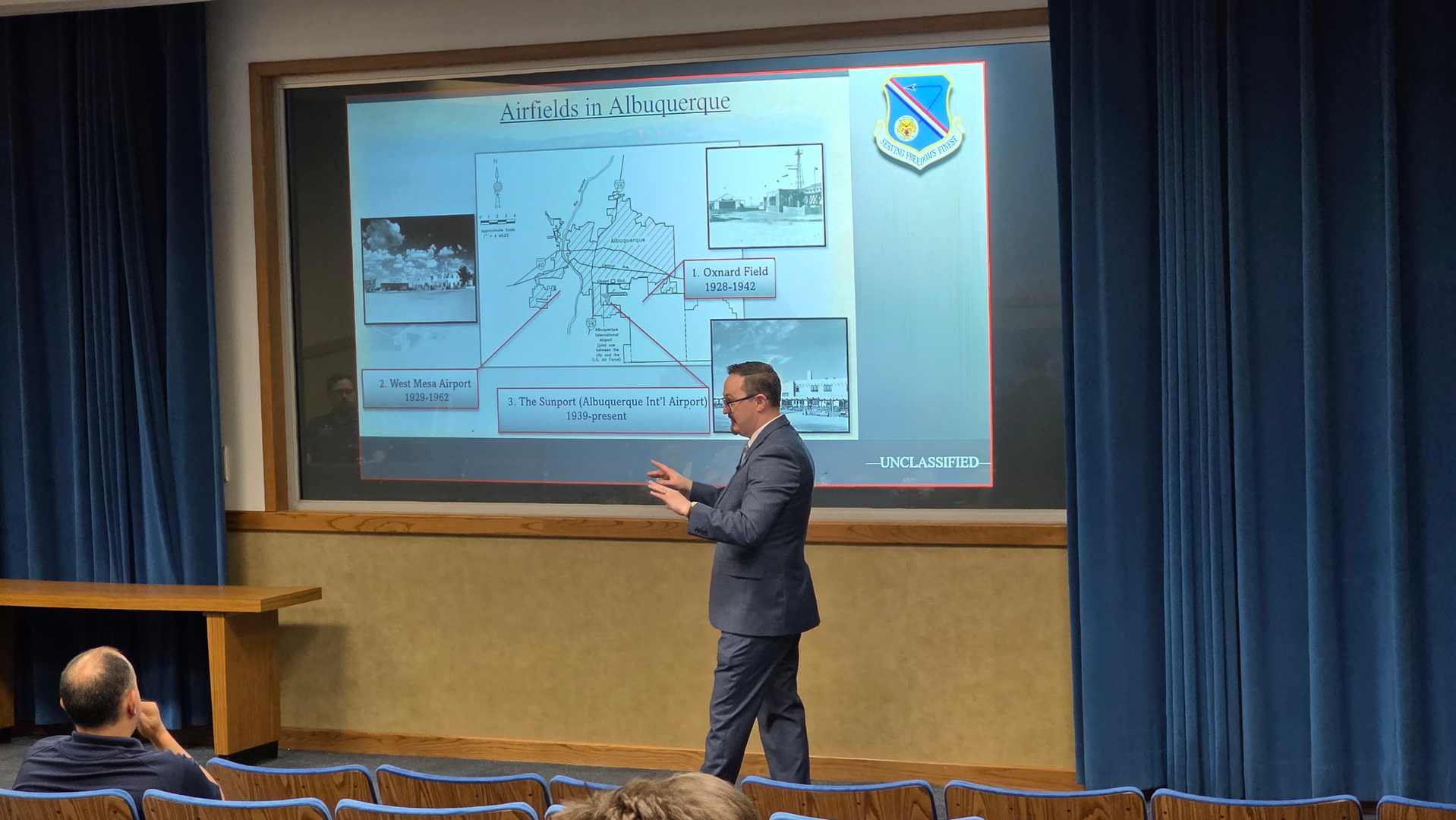
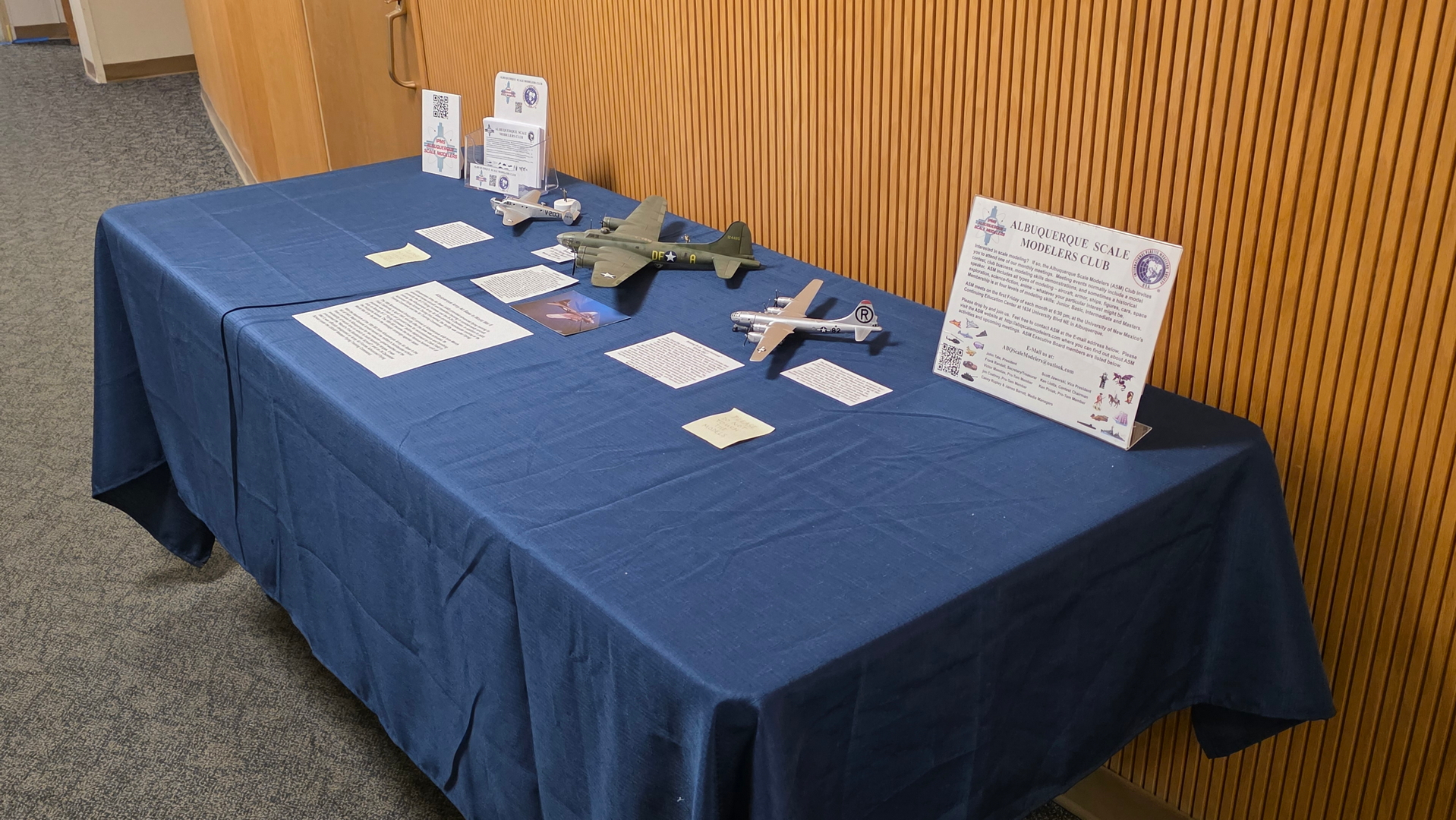
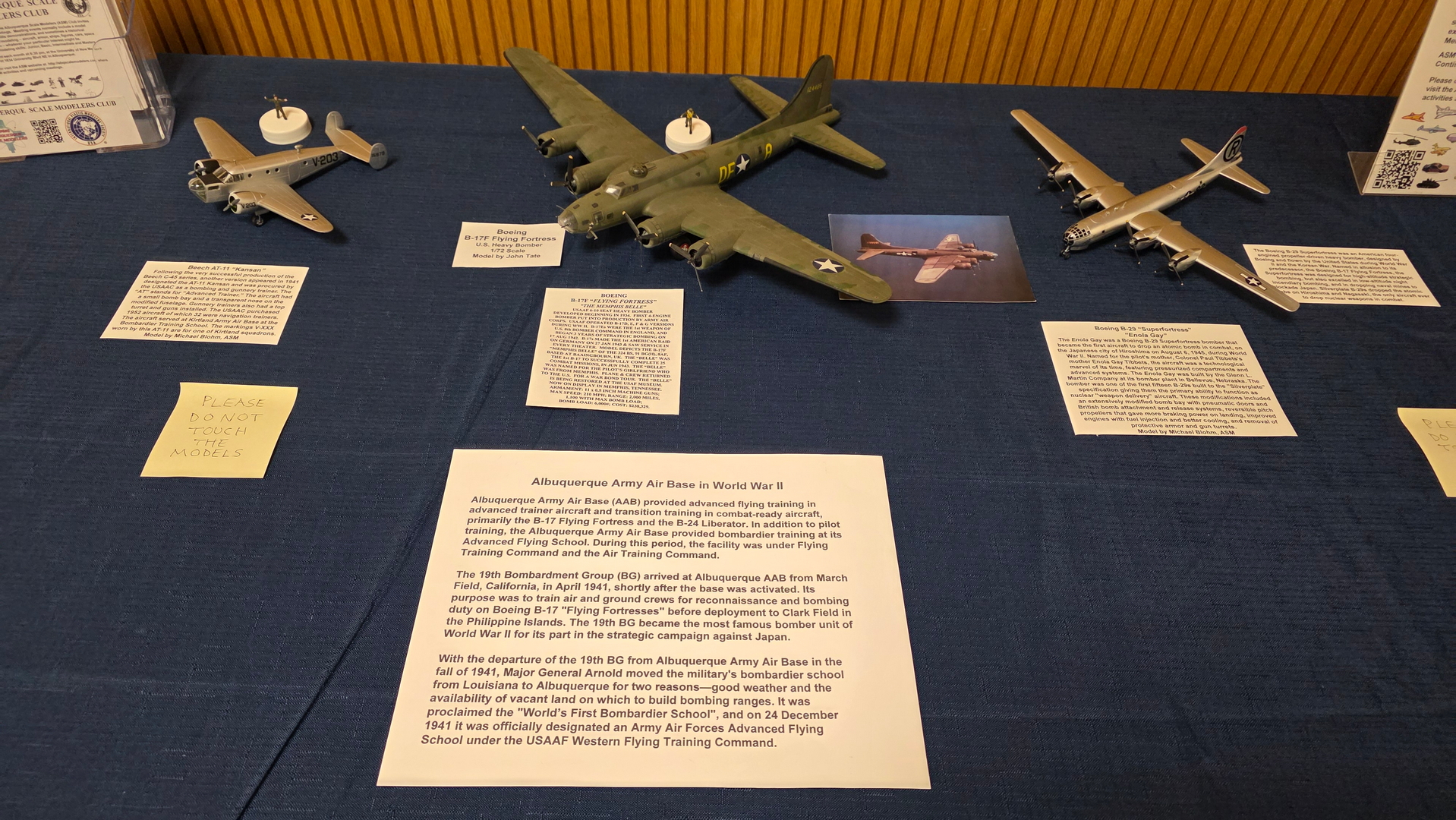
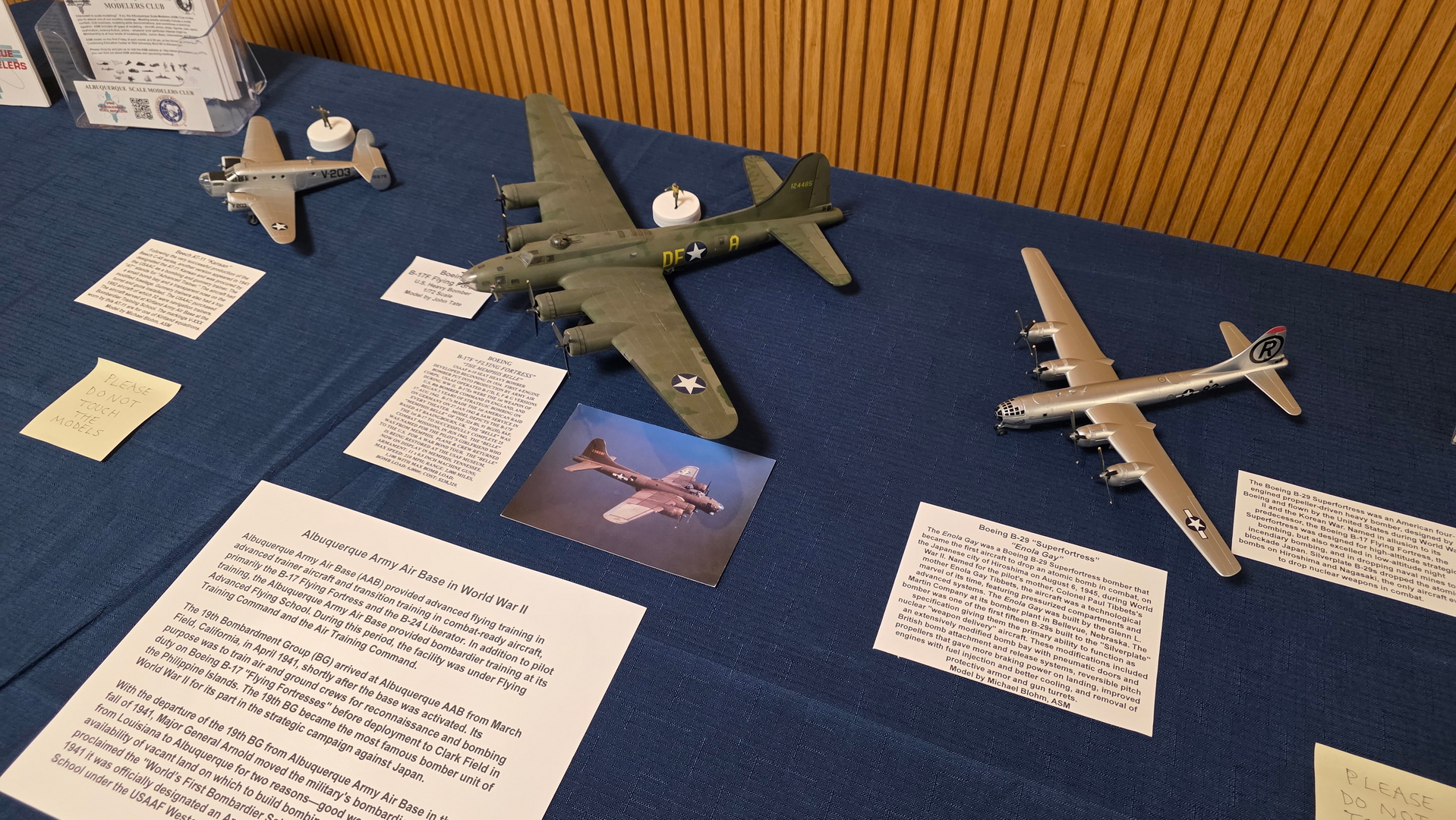
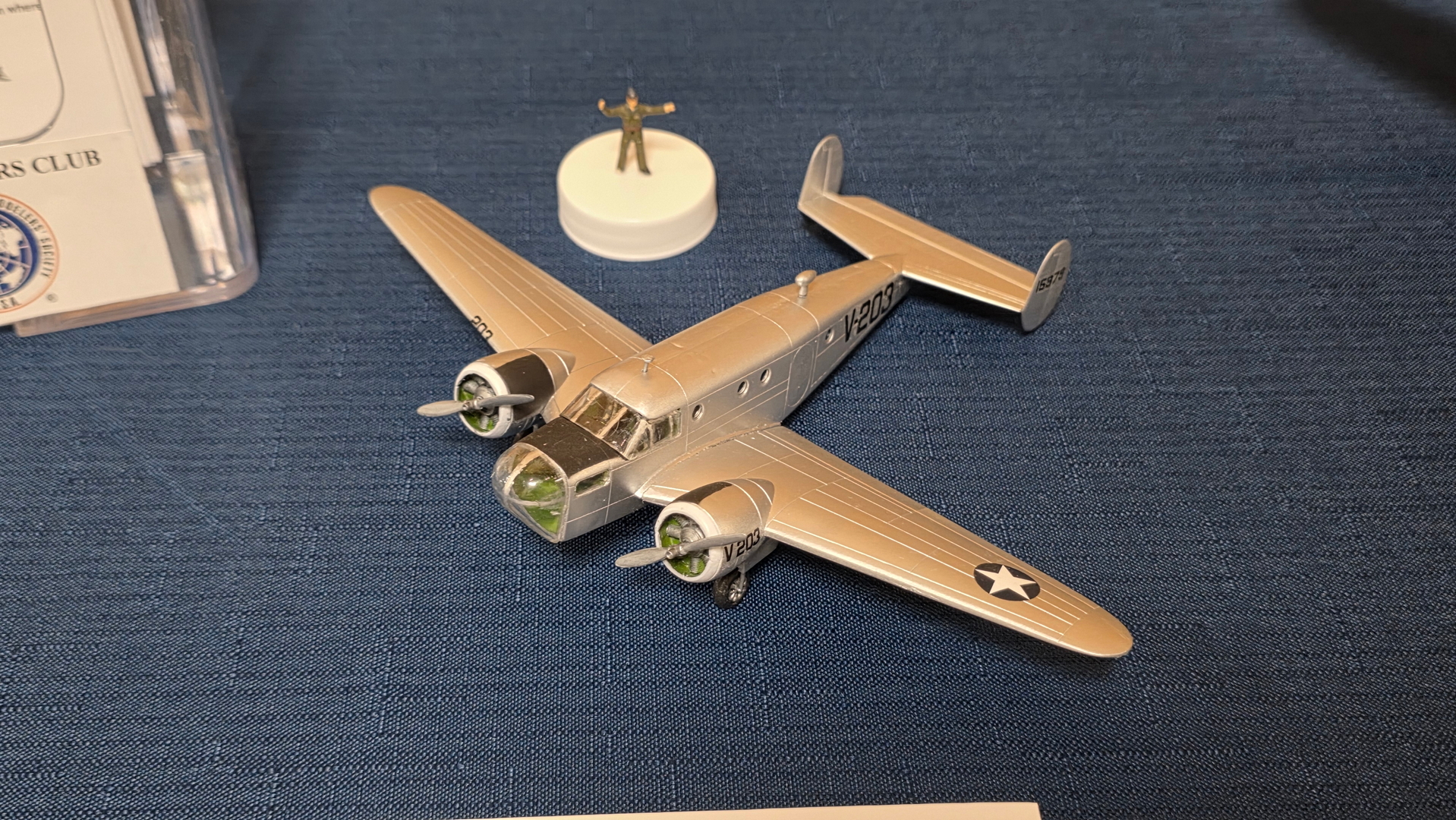
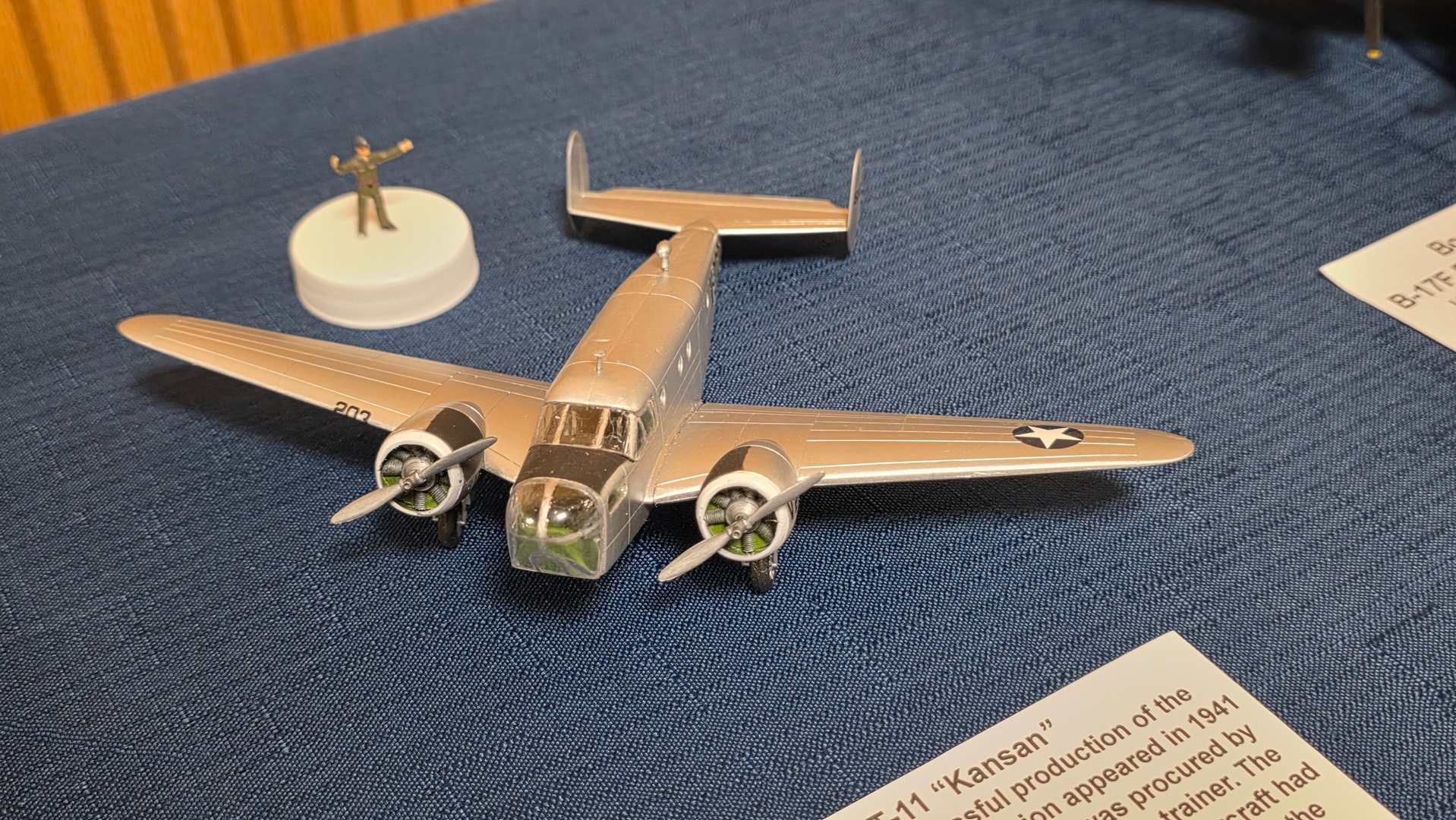
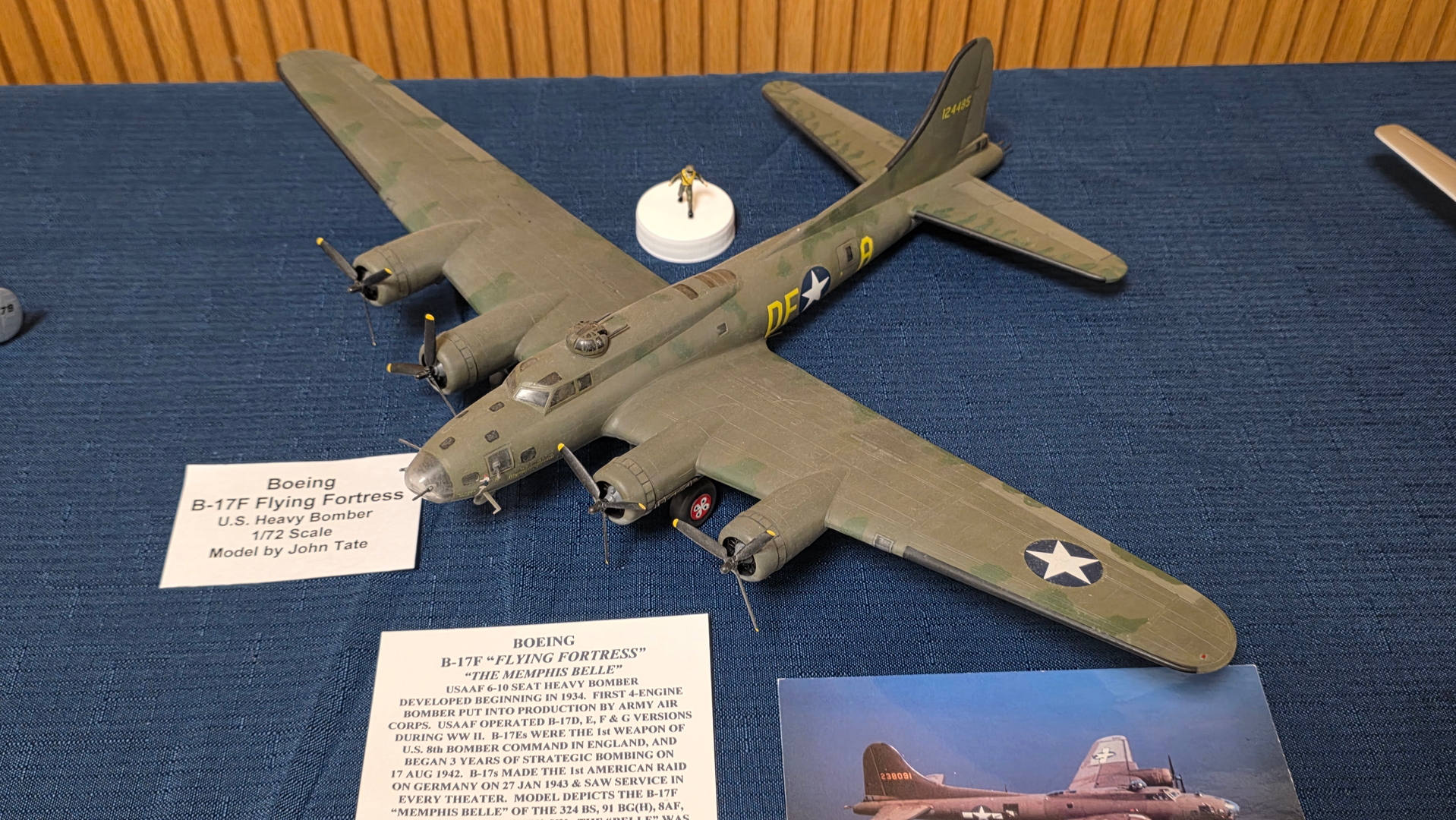
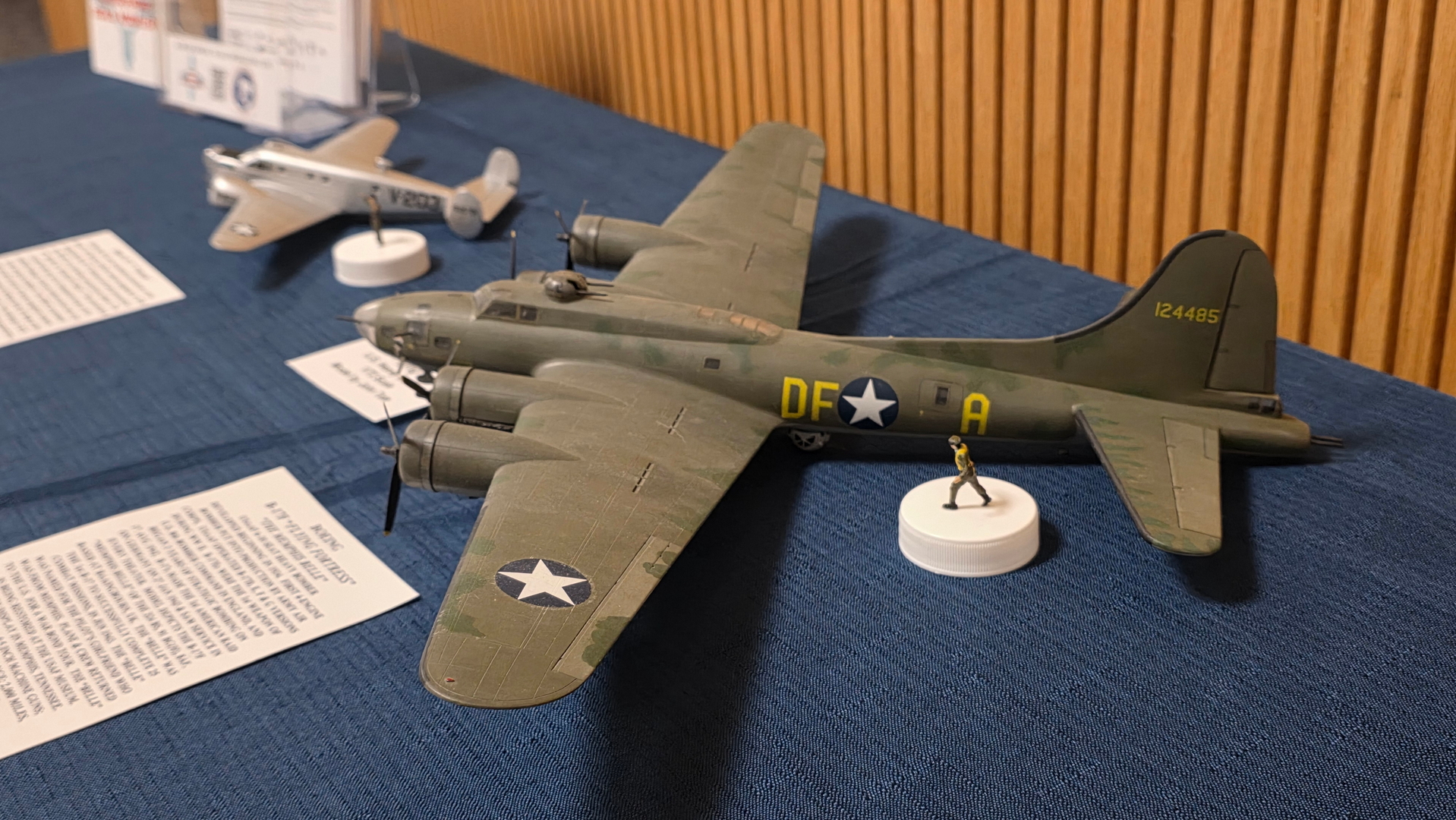
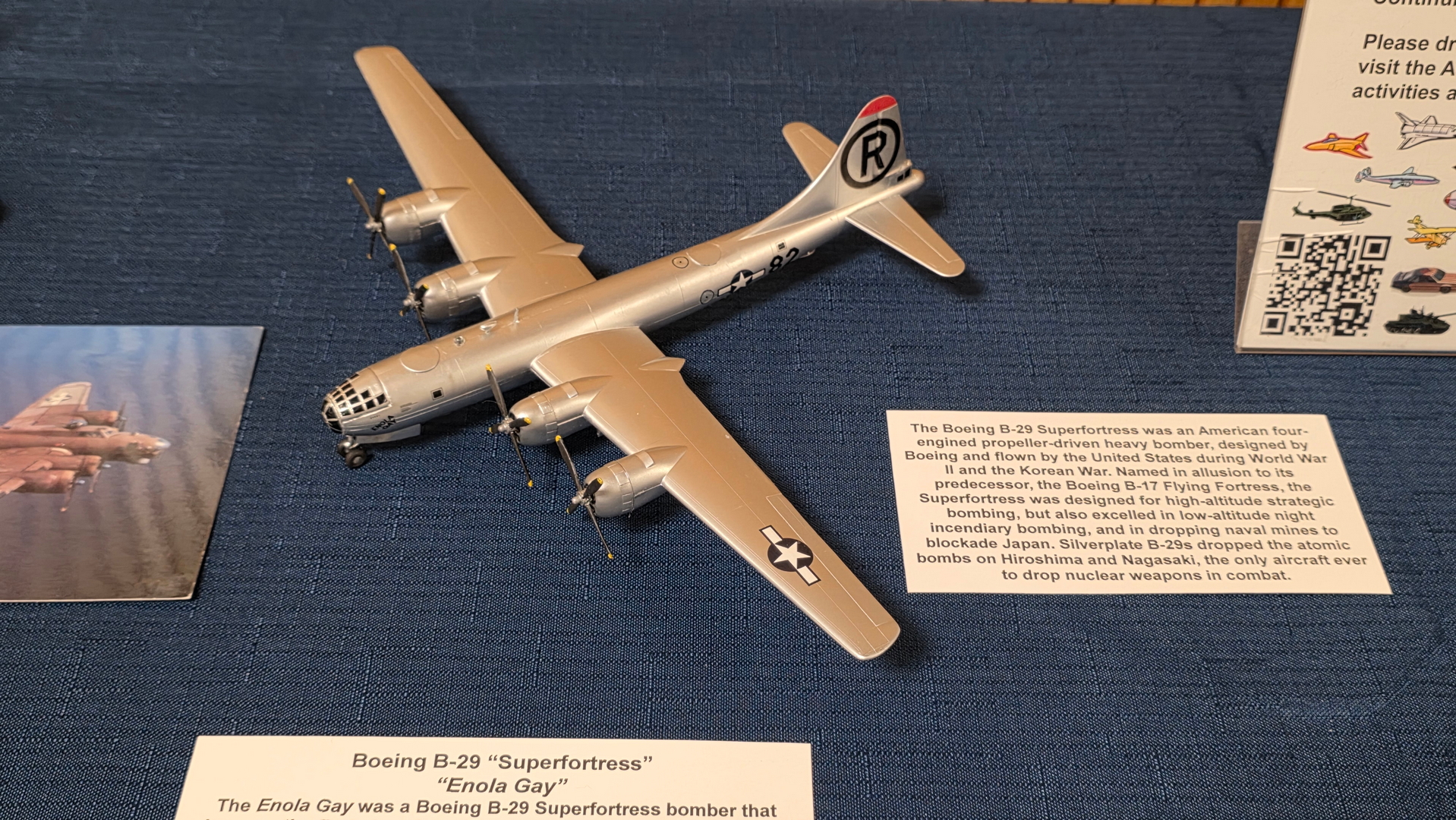
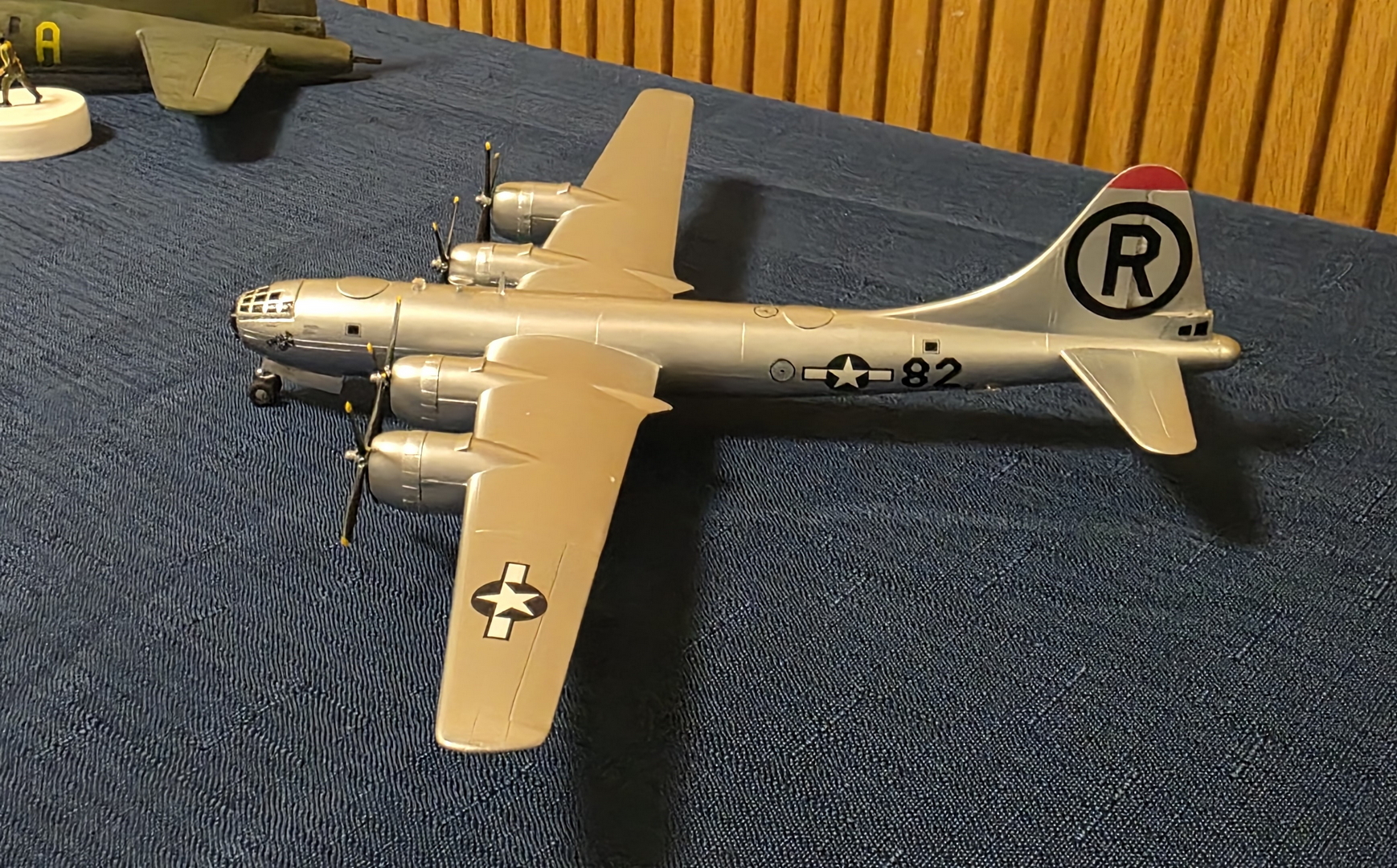
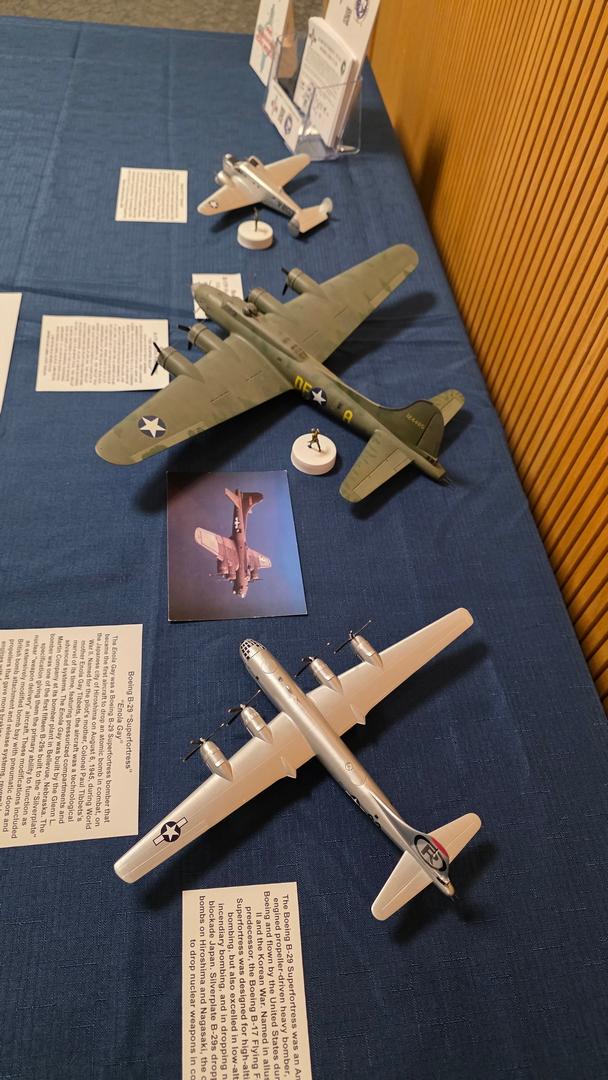
The Albuquerque Scale Modelers (ASM) supported the USAF Anniversary History Symposium held on September 17th at the 377 Air Base Wing Headquarters by providing a model display that covered the history of Kirtland Army Air Base during World War II. The display included a Beech AT-11 “Kansan” bombardier training aircraft and a Boeing B-17F “Flying Fortress” both in 1/72 scale, and a Boeing B-29 “Superfortress” in 1/144 scale. Signage was provided covering the history of the base in WW II and details on the aircraft types. The symposium was put together by Mr. Jeremiah Foster, the 377 Air Base Wing Historian, and it ran all day covering different topics. I initially contacted Mr. Foster about the 2025 Air Force Ball and during our conversations asked him if he would like a model display to support the symposium. He thought that was a good idea and chose these three aircraft types to display. I had already been intending to build the B‑29 and AT-11 to support future AF Ball displays, but this gave impetus to get them cranked out now. Quick-build articles on those models will be provided later. Pictures of the symposium and display are included below.
The AT-11 (AT for Advanced Trainer) model is in the scheme of one of the squadrons based at Kirtland Field during the war that had “V-200” numbered series, and was built by Mike Blohm. This is the Pioneer2 kit. Luckily the kit included decals that matched Kirtland. The AT-11 and the B-18 “Bolo” were used at the Bombardier School that was established in December 1941. Training included use of the top secret Norden bombsight. Unfortunately, the kit does not include any bombardier position or the bombsight. There were eventually 150 AT‑11s assigned to the base. The B-18s were used due to a shortage of B-17s.
The B‑17F model is in the scheme of the “Memphis Belle” and was built by John Tate to support our USAF 50th Anniversary displays at Kirtland AFB back in 1997. This famed B-17F became the first heavy bomber to return to the U.S. after flying 25 missions over Europe, and represents B-17 use at Kirtland. The 19th Bombardment Group with B-17s trained at Kirtland in mid-1941 before deploying to the Pacific. Kirtland Field also served as a pilot transition school for both the B-17 and the B-24 “Liberator.”
The B-29 model is in the scheme of the “Enola Gay,” which dropped the “Little Boy” atomic bomb on Hiroshima on August 6th, 1945, and was built by Mike Blohm. This is the Minicraft kit, which had to be modified into the “Silverplate” configuration to accurately depict an atomic bomb-capable B-29. Kirtland Field served as a B-29 base in support of the incendiary bombing raids on Japan. In March 1945, Kirtland Field was converted into a Superfortress base in a matter of only 45 days. The Enola Gay was stationed at Roswell Army Air Field, NM after WW II and is now on display at the Steven F. Udvar-Hazy Center, an annex of the National Air and Space Museum located in Chantilly, Virginia. B-29s and B‑50s were later stationed at Kirtland AFB as part of the 4925th Test Group Atomic to test nuclear weapons. One of those B-29s is on display at the National Museum of Nuclear Science & History (formerly the National Atomic Museum) here in Albuquerque. The display’s B-29 model was referred to during the symposium’s session on the April 11, 1950 B-29 crash in the Manzanita Foothills, as that aircraft was a Silverplate B-29.
Mr. Foster thanked ASM for supporting the symposium, and stated that he will likely do another next year. ASM should plan to be there again. Anybody have a 1/72 B-18 they would like to build for next year?
Wikipedia has a good history of Kirtland AFB with more details than I could provide in this short article. Check it out at:

Visit to the Threat Training Facility “Petting Zoo” at Nellis Air Force Base, Nevada
By Mike Blohm
This one is for both the Armor and Aircraft Guys
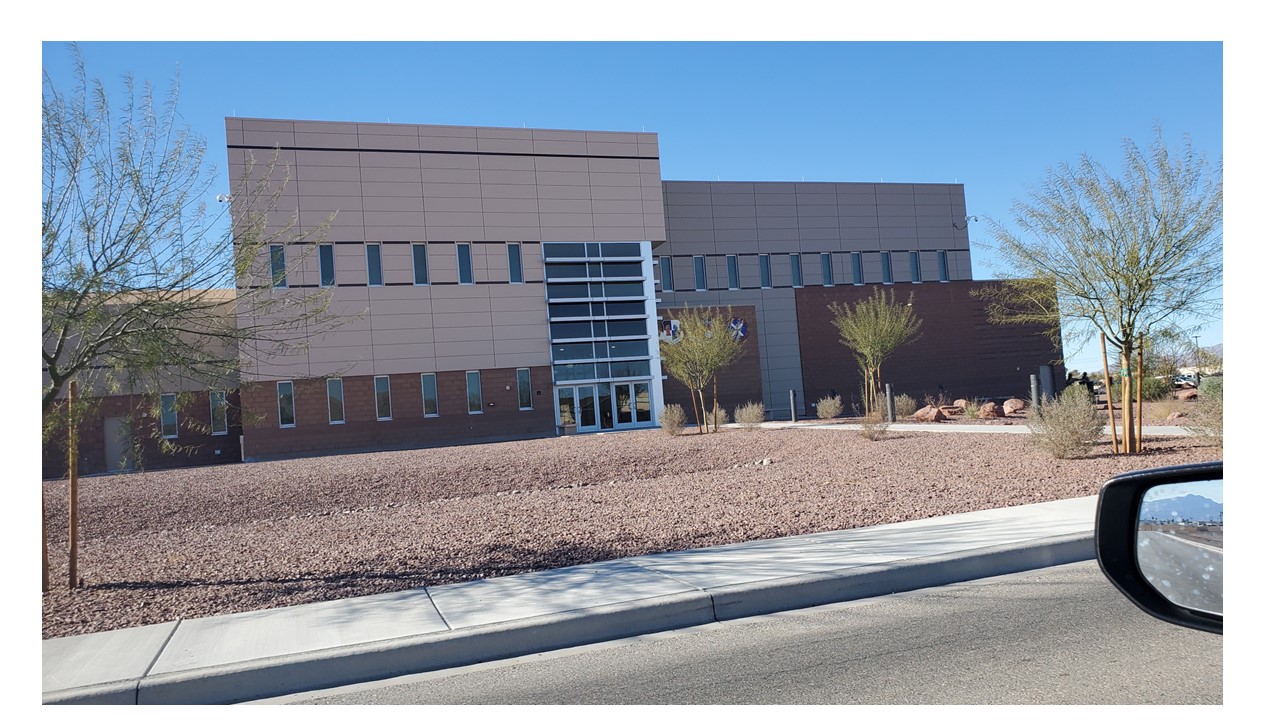
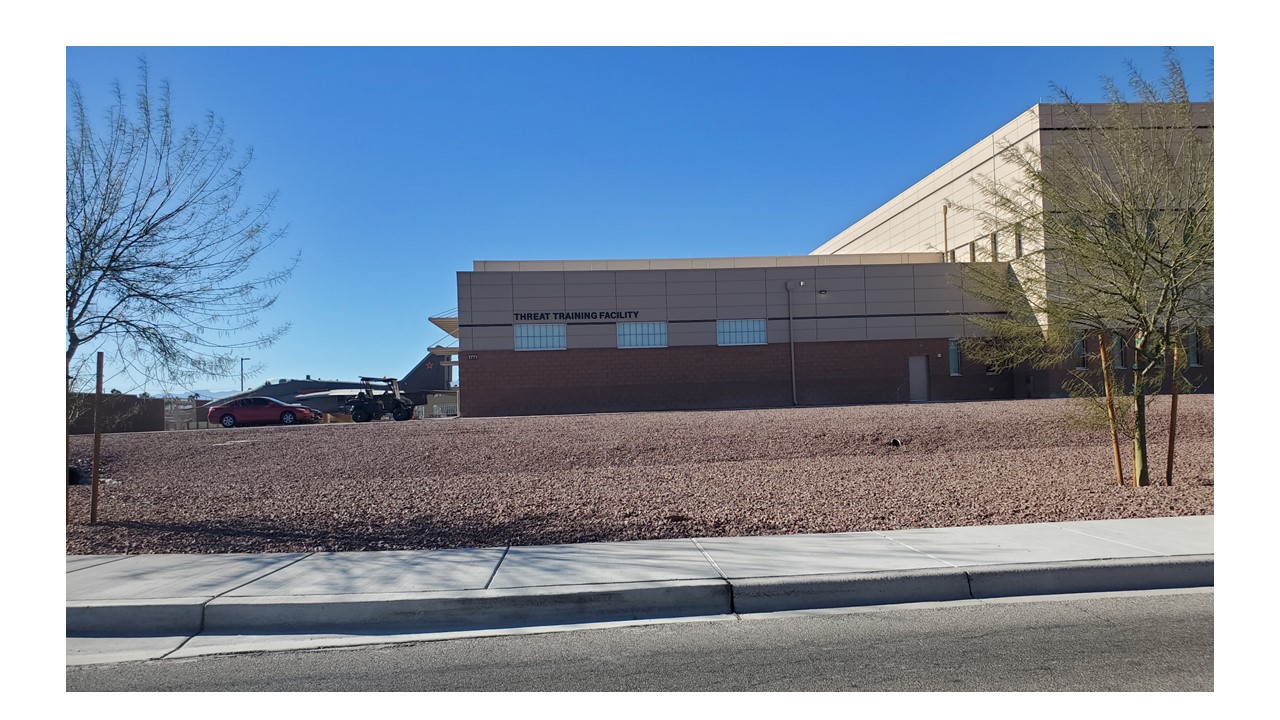
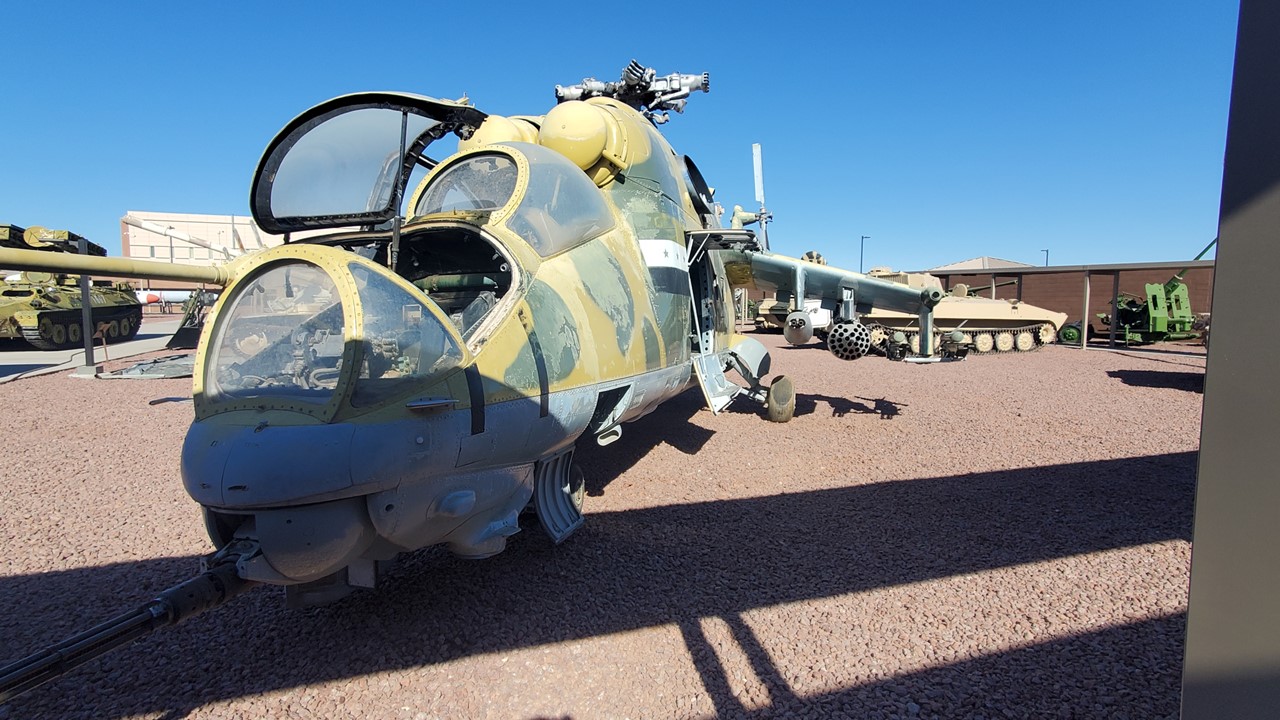
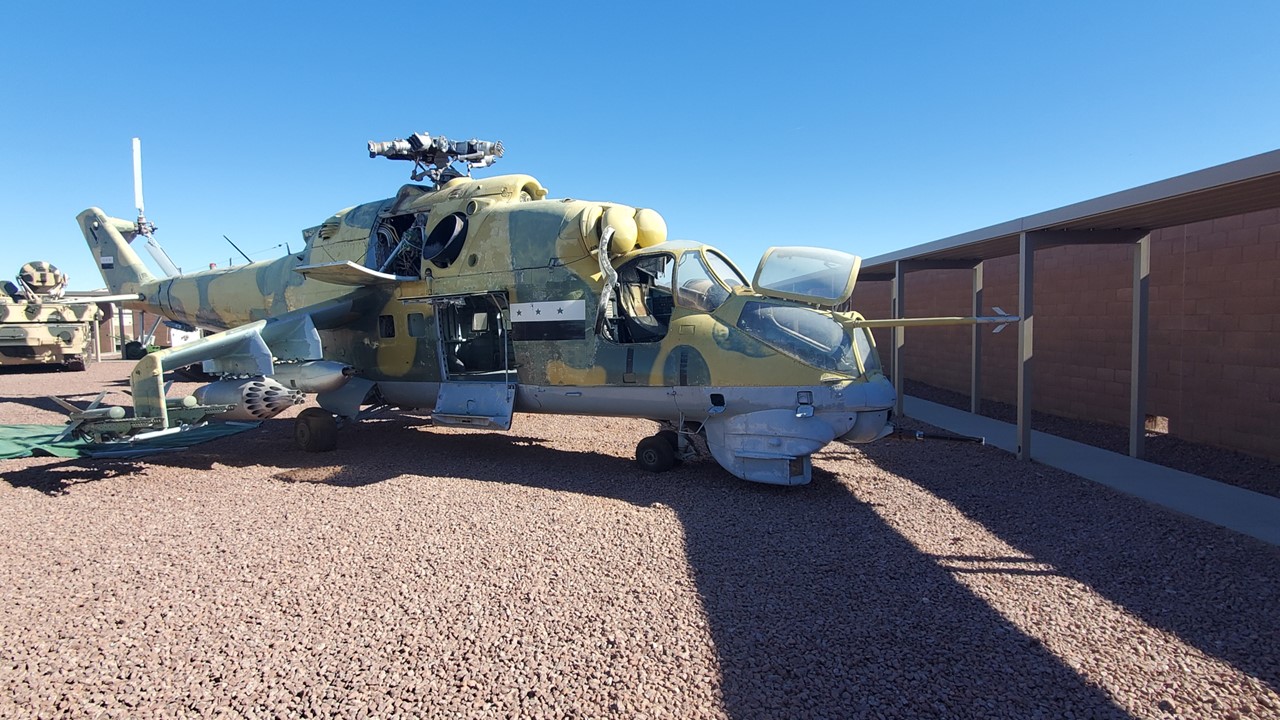
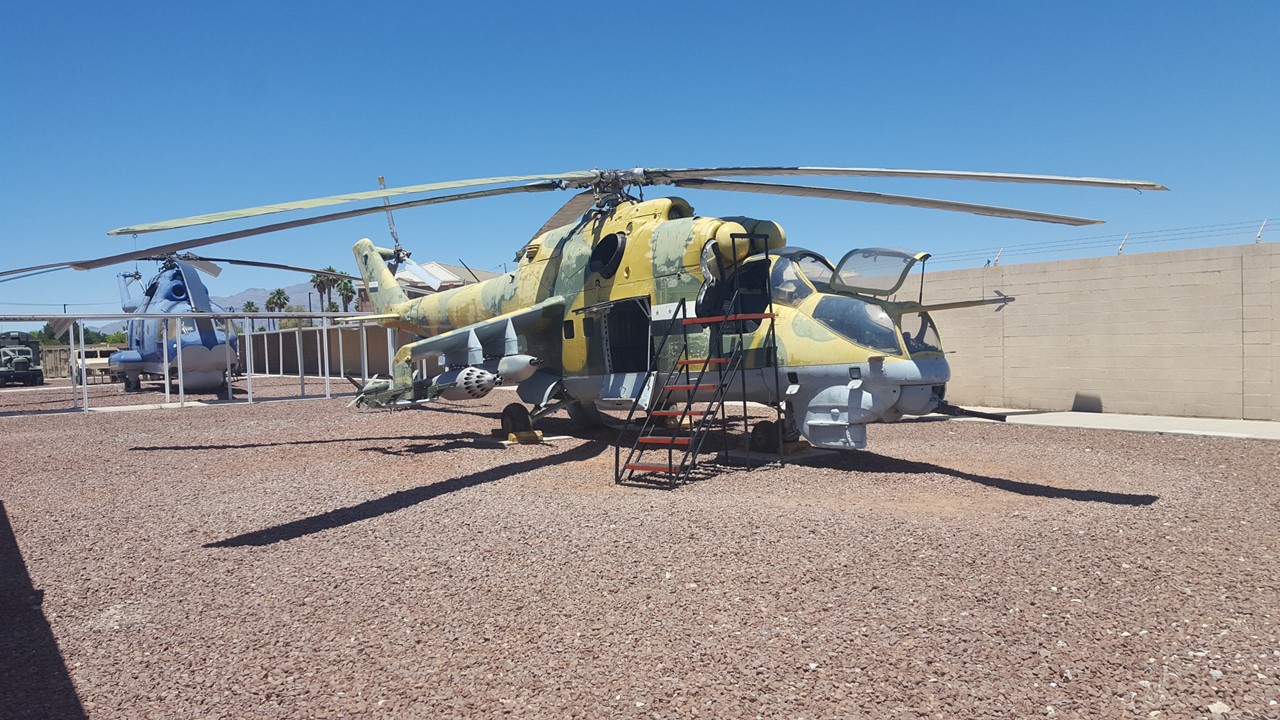
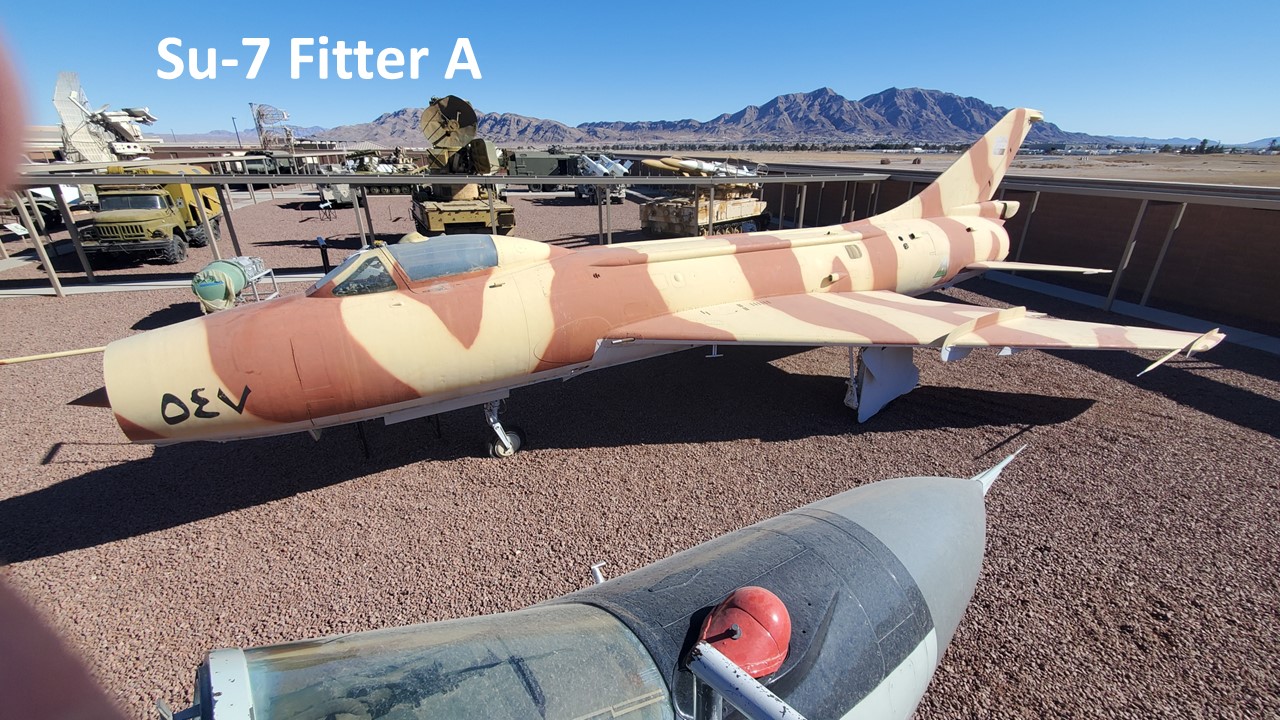
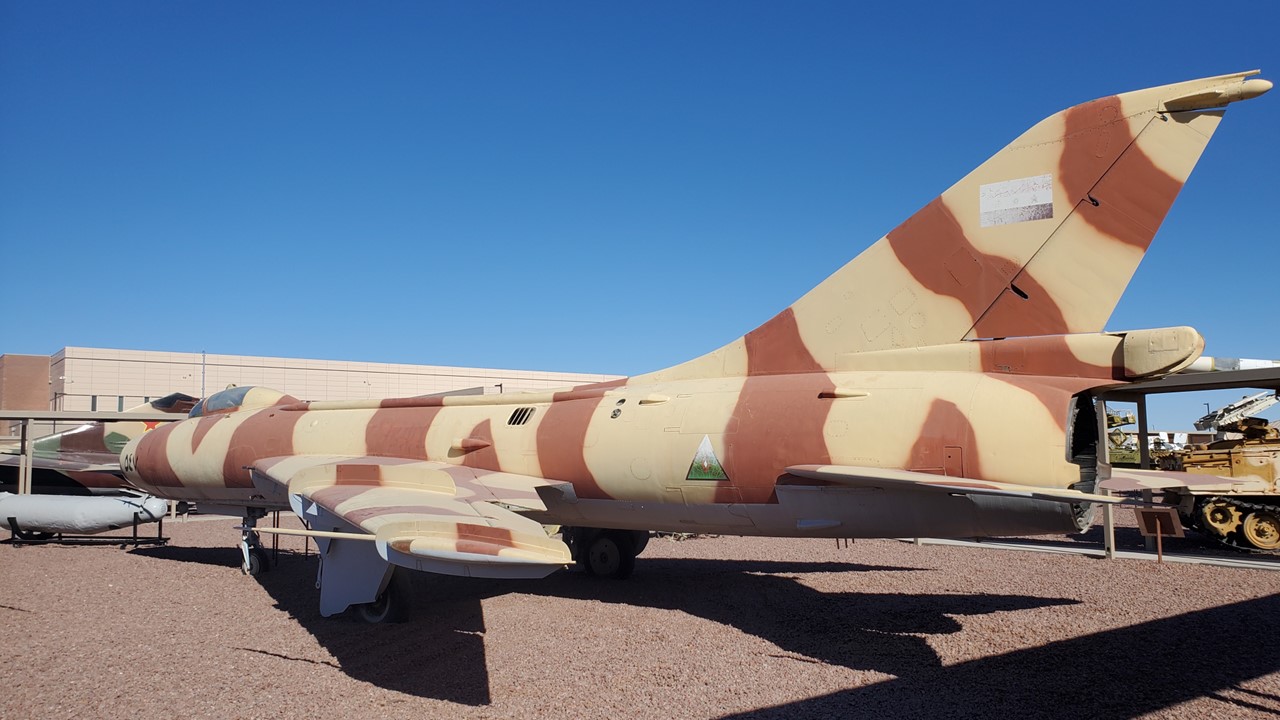
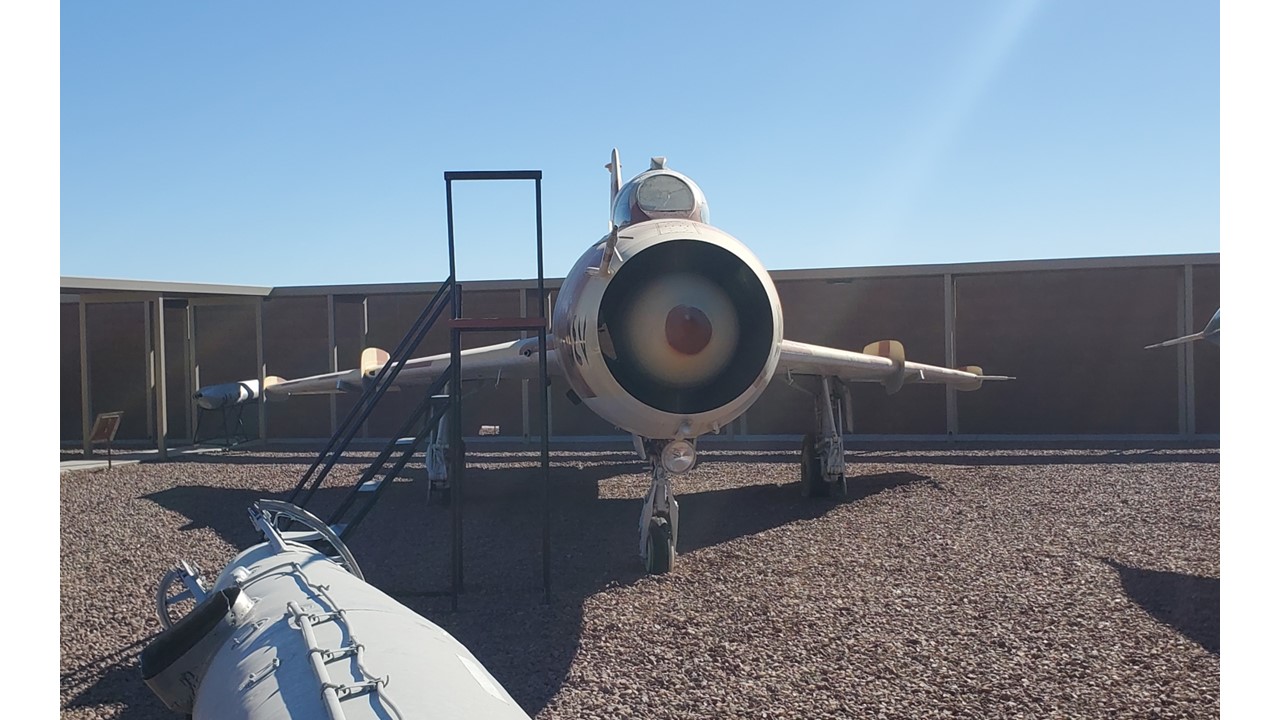
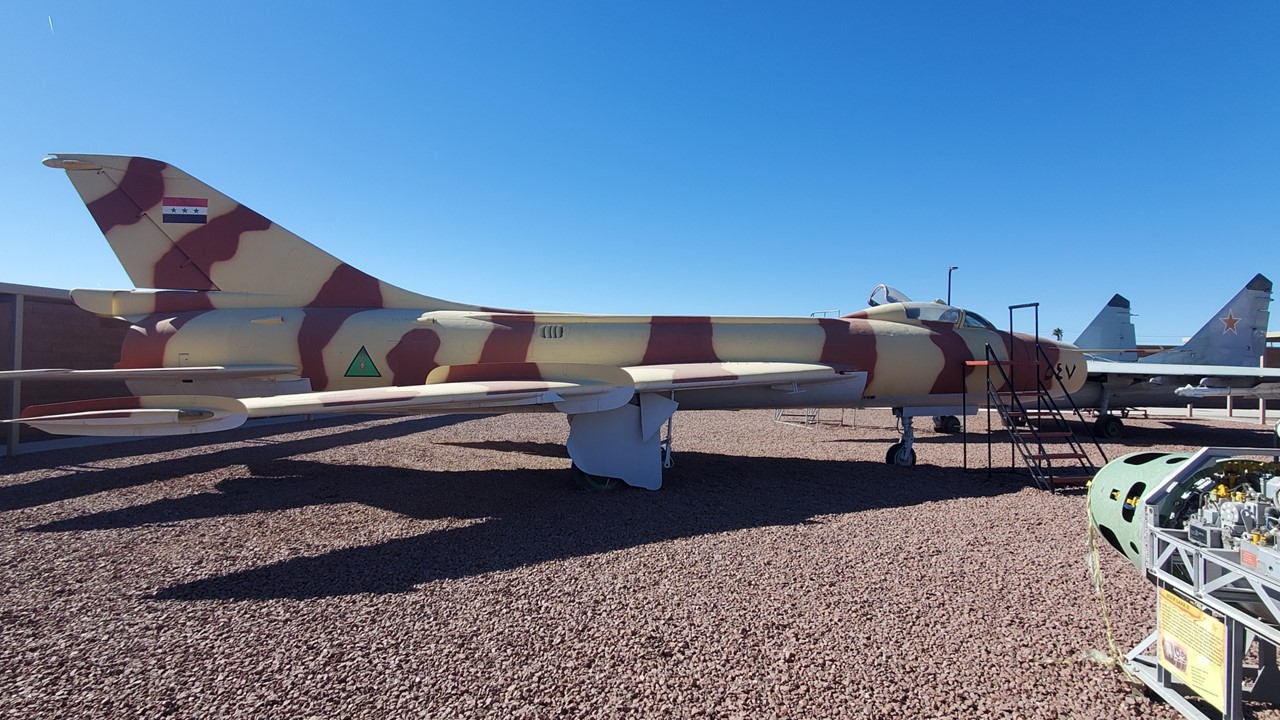
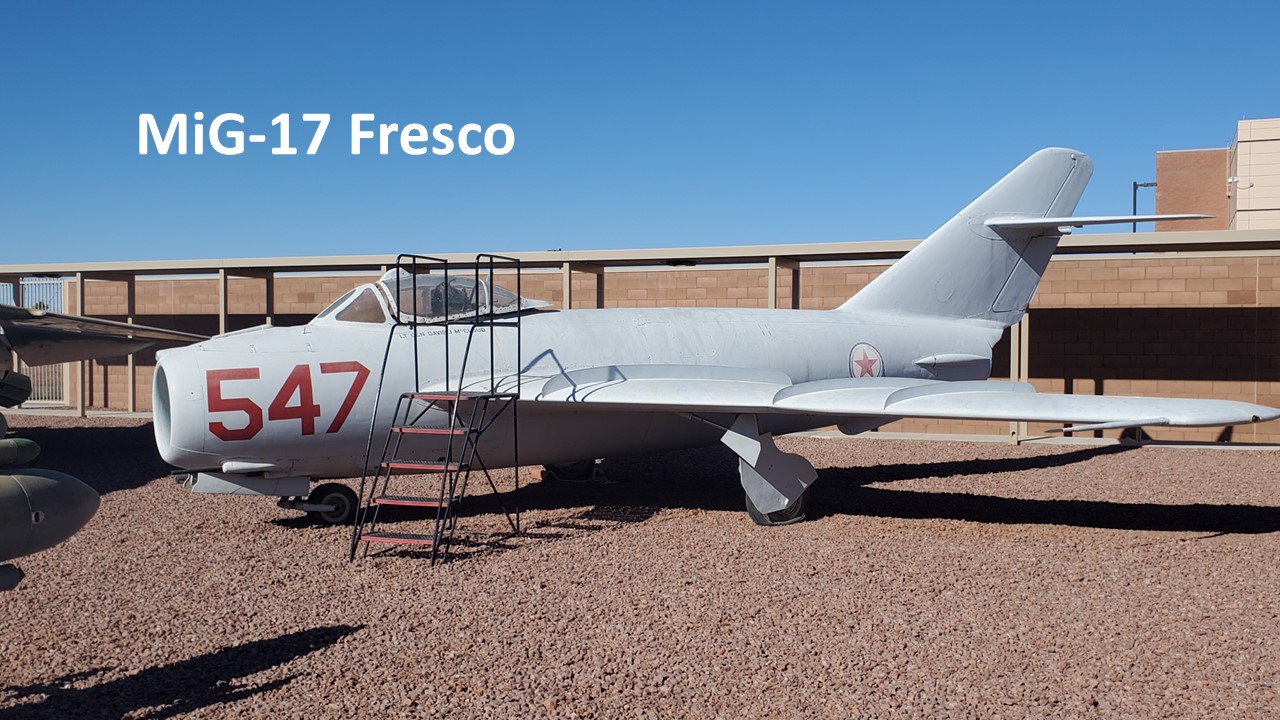
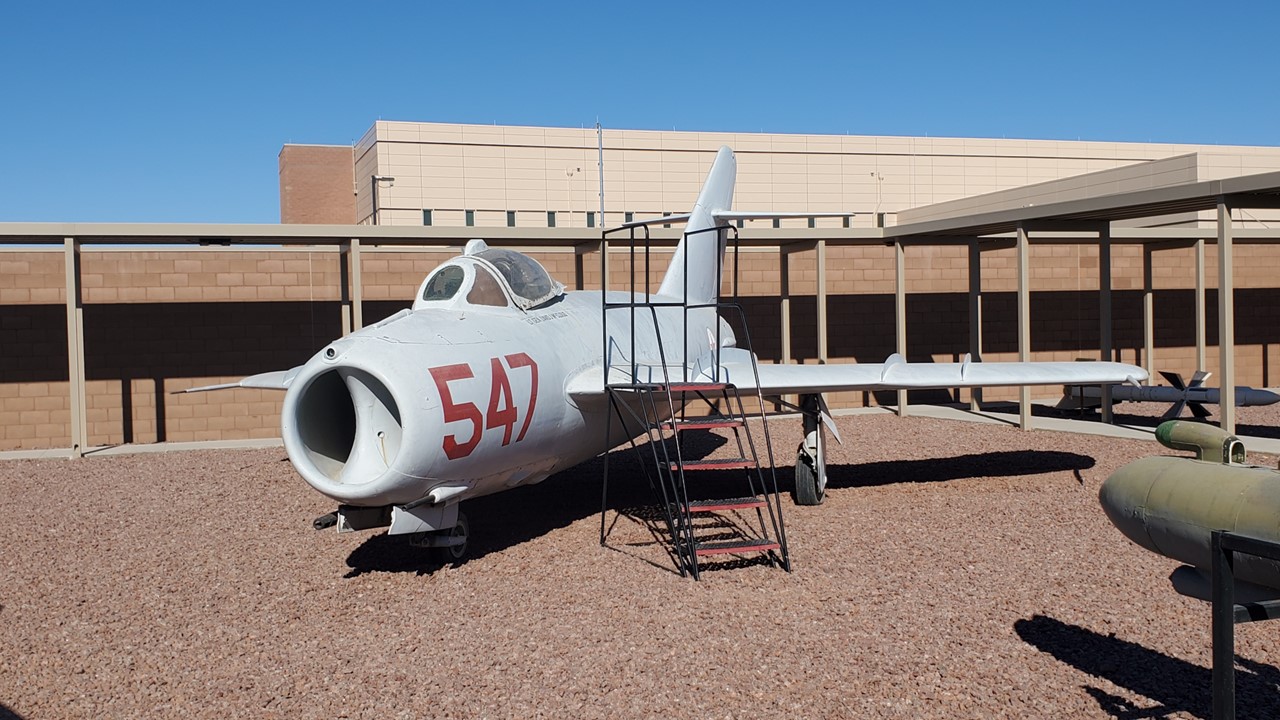
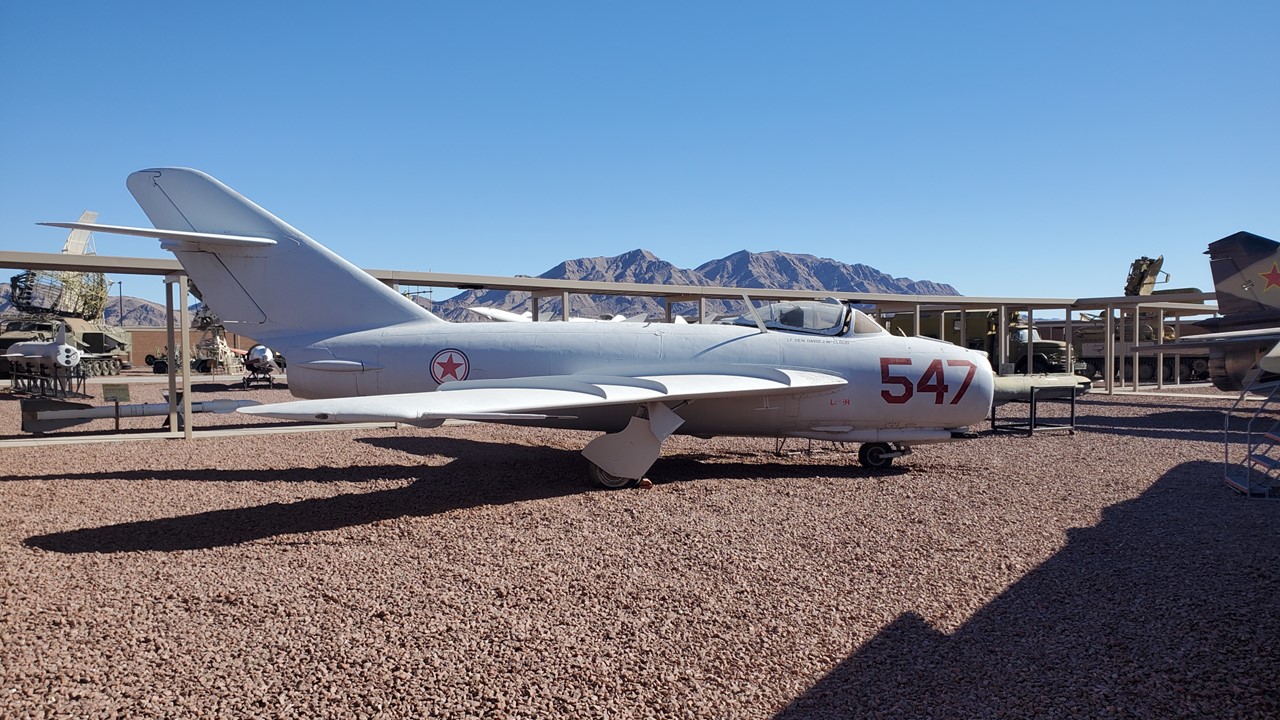
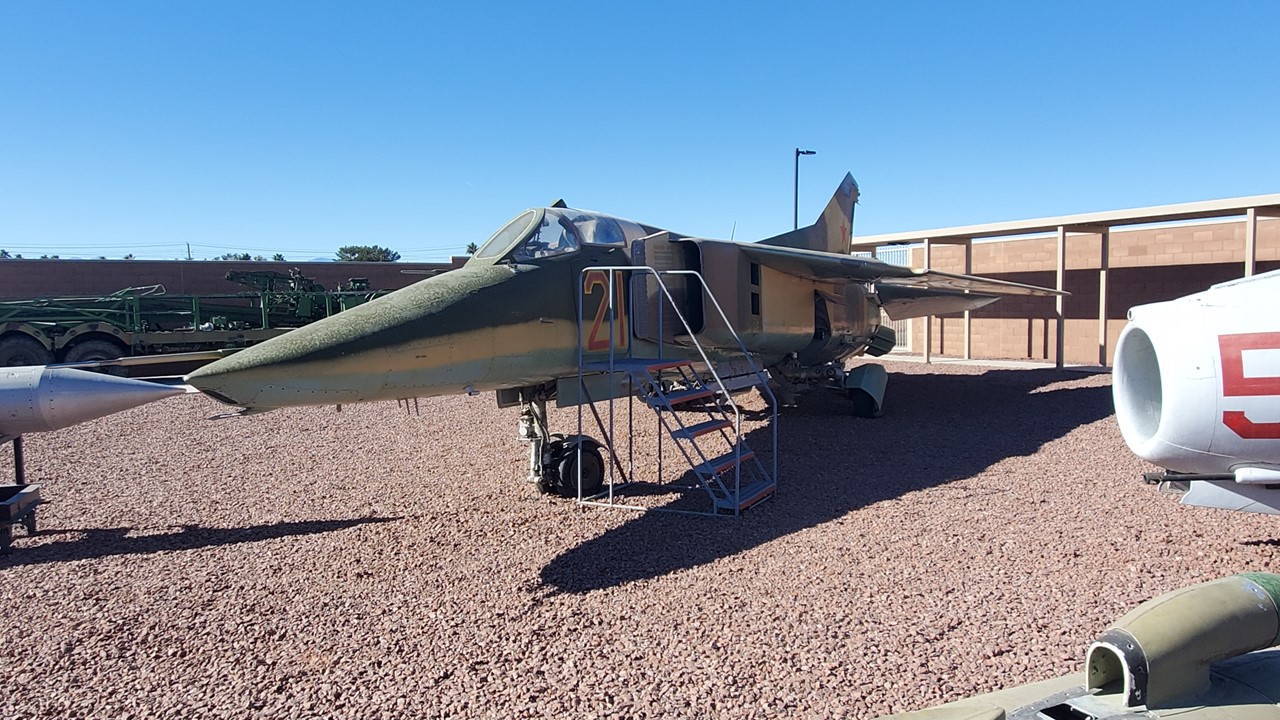
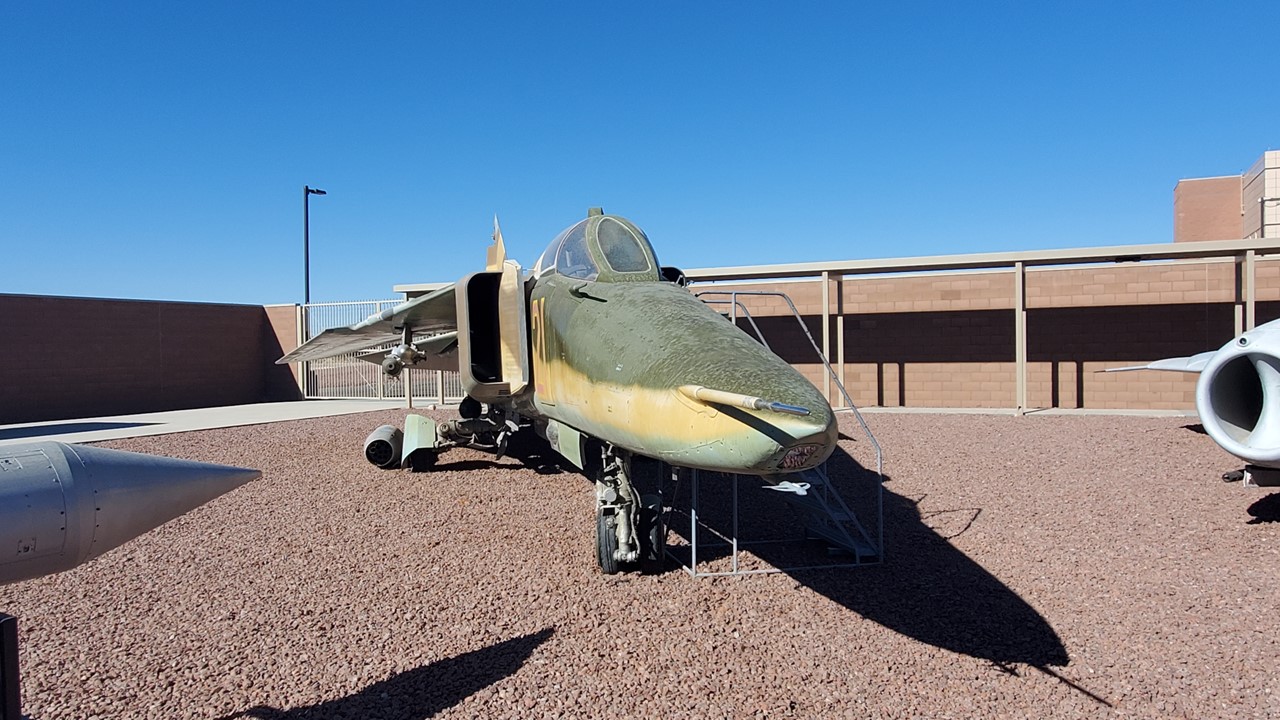
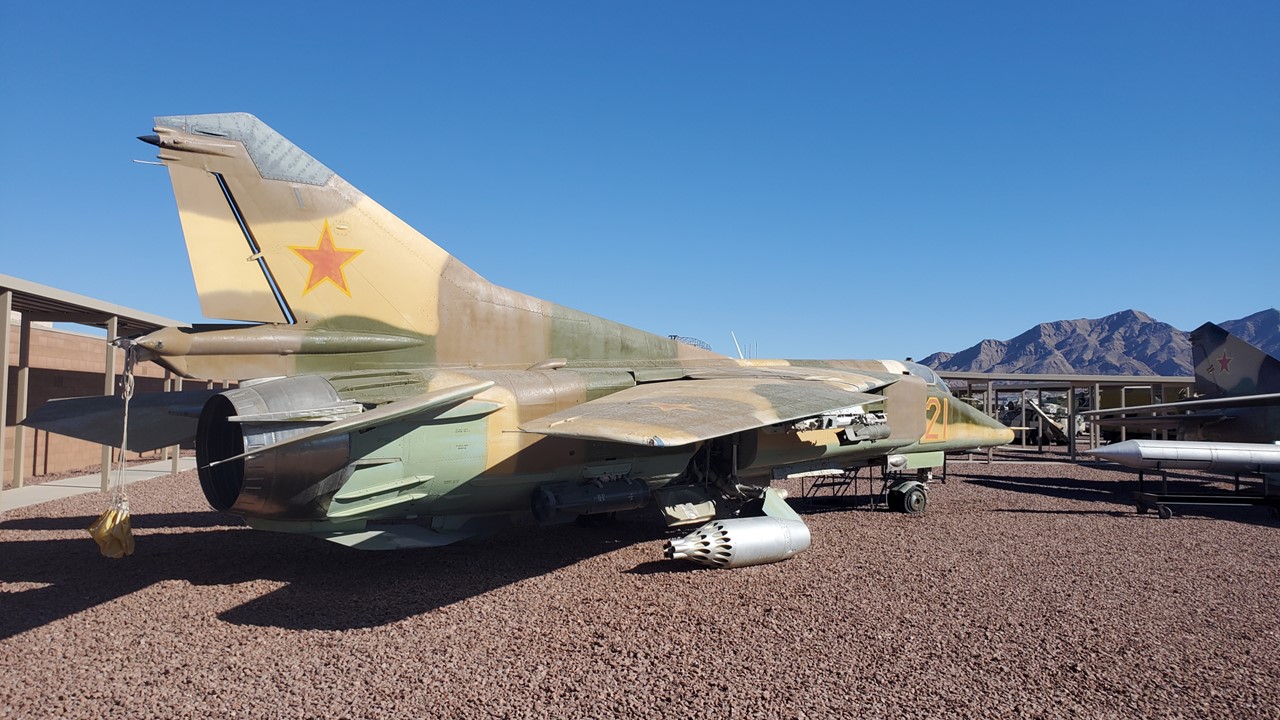
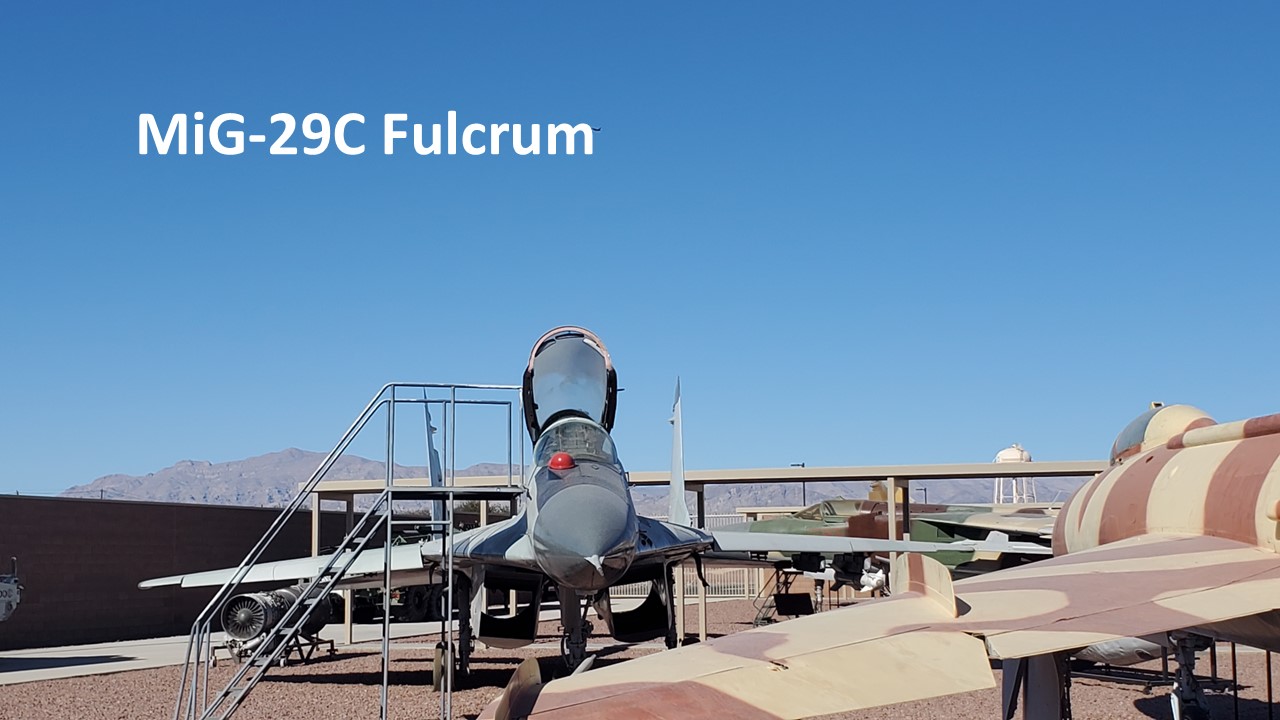
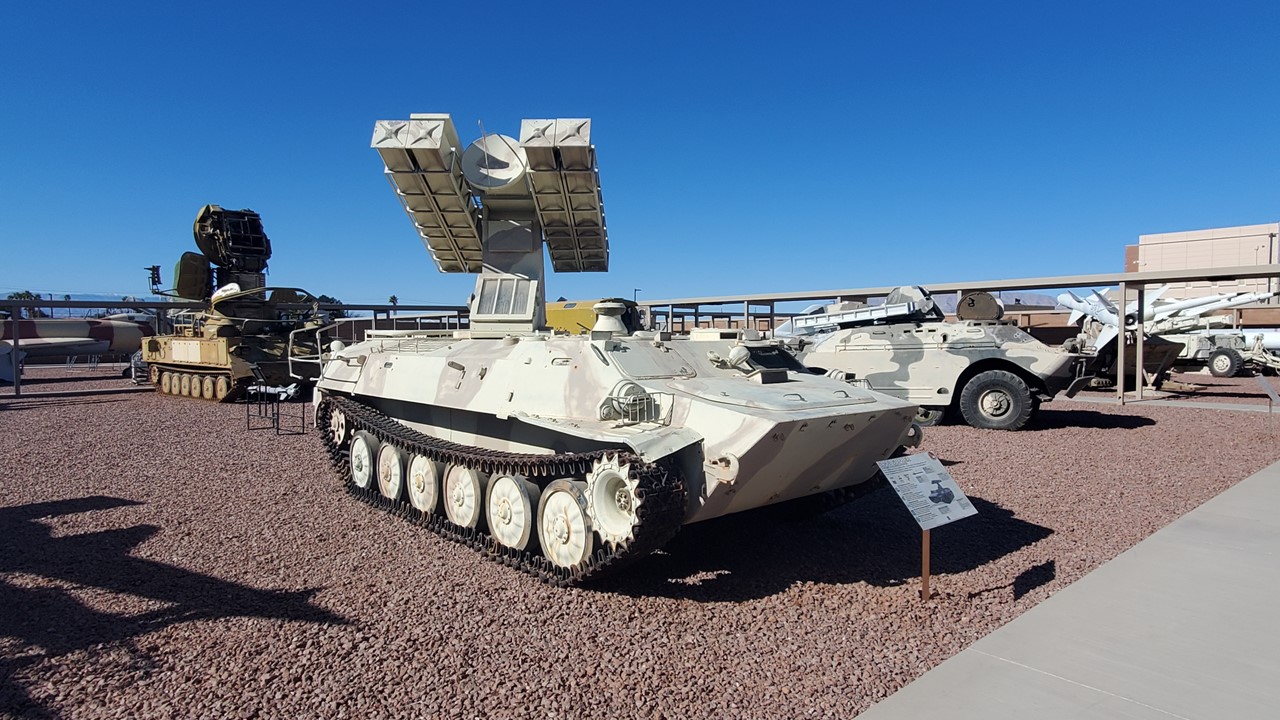
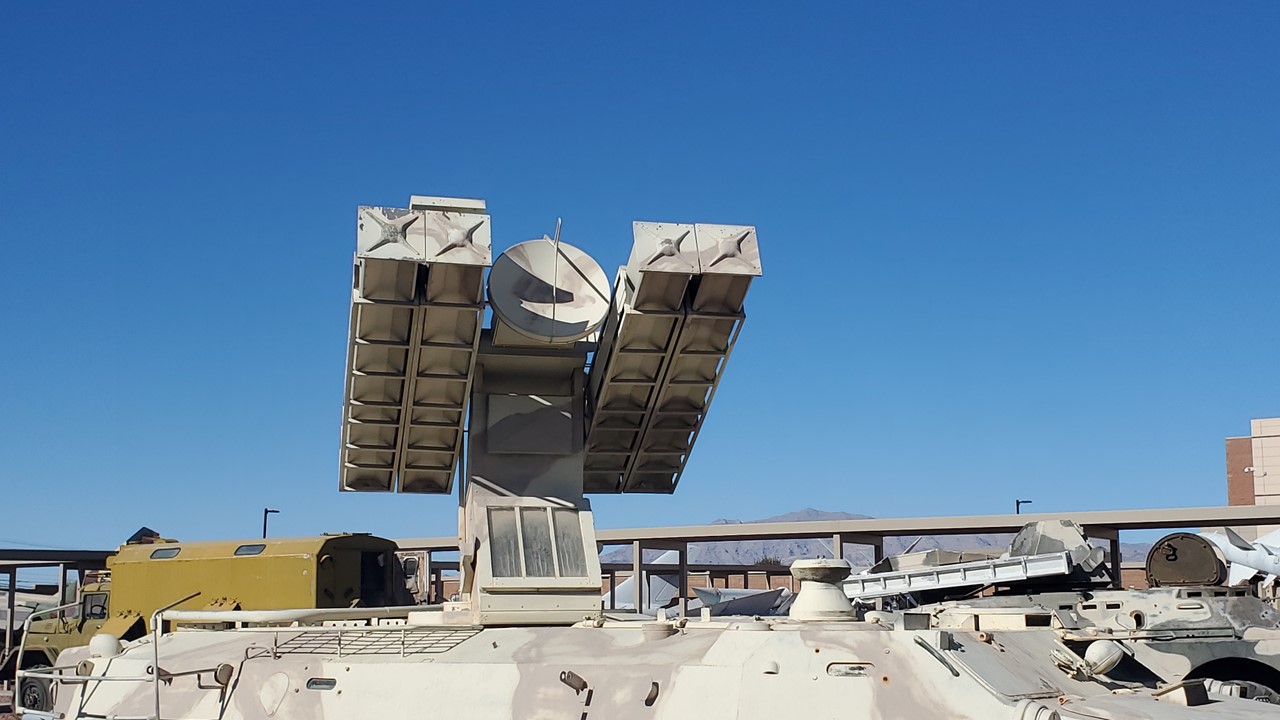
This trip report is on a visit to the Threat Training Facility (TTF) affectionately known as the “Petting Zoo” located at Nellis Air Force Base, Nevada in January 2025. This report compliments the presentation that I gave at the June 6, 2025 ASM meeting. The facility is run by the 547th Intelligence Squadron assigned under the 365th Intelligence, Surveillance, and Reconnaissance Group (ISRG). In an article about their upcoming move back in 2020 to their current facility, the 547th Intelligence Squadron Commander stated: “The purpose of the TTF is to educate and train warfighters through a blend of physical and virtual instructional methodologies. Seeing these real weapons systems up close offers unique opportunities to understand how they might be used by an adversary in combat.”
I could not run down any information on when the Zoo was initially started, but portions of it were in place during my first “Red Flag” at Nellis in 1976, with a lot of equipment captured during the Viet Nam conflict. It was likely part of the “train like you fight” initiative back in the late 1970’s when Red Flag was created. More equipment has been added over the years from the various conflicts that have occurred. There were also a lot of “fakes” (mock-ups) built based upon best known intelligence for aircrew familiarization of the newest threat systems. A lot of the “old” equipment is still in use and still lethal if not accounted for.
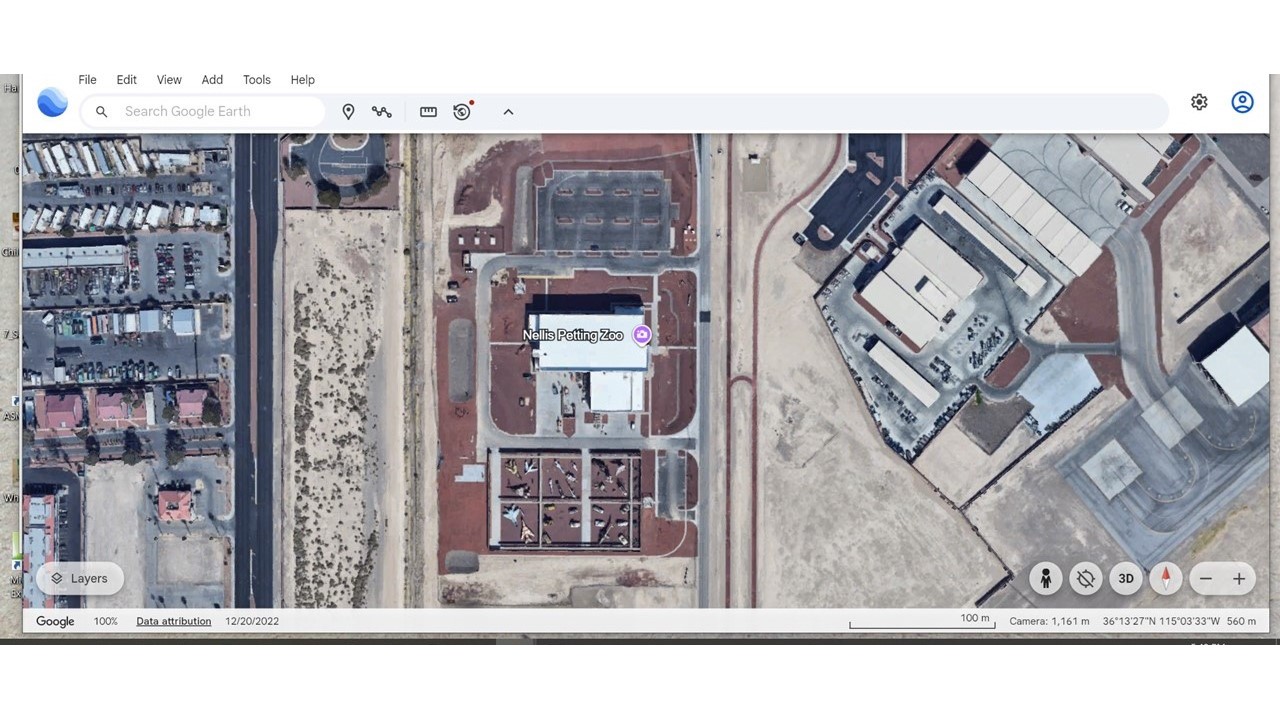
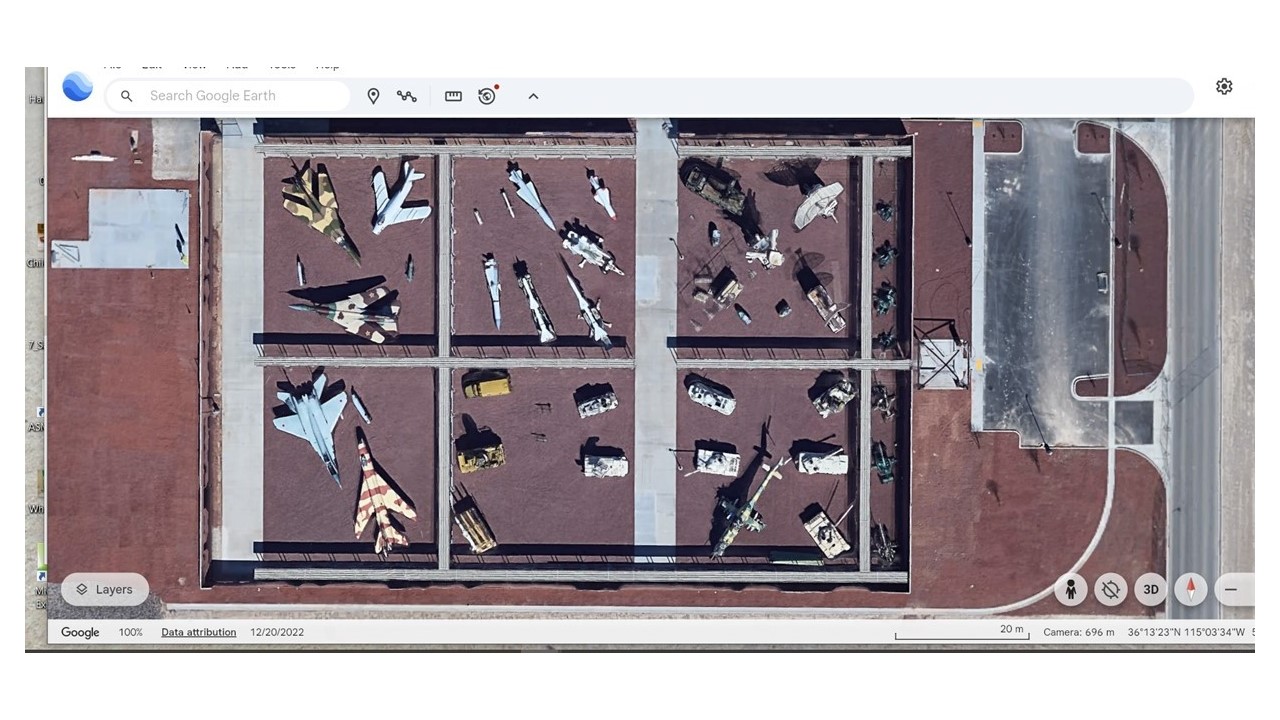
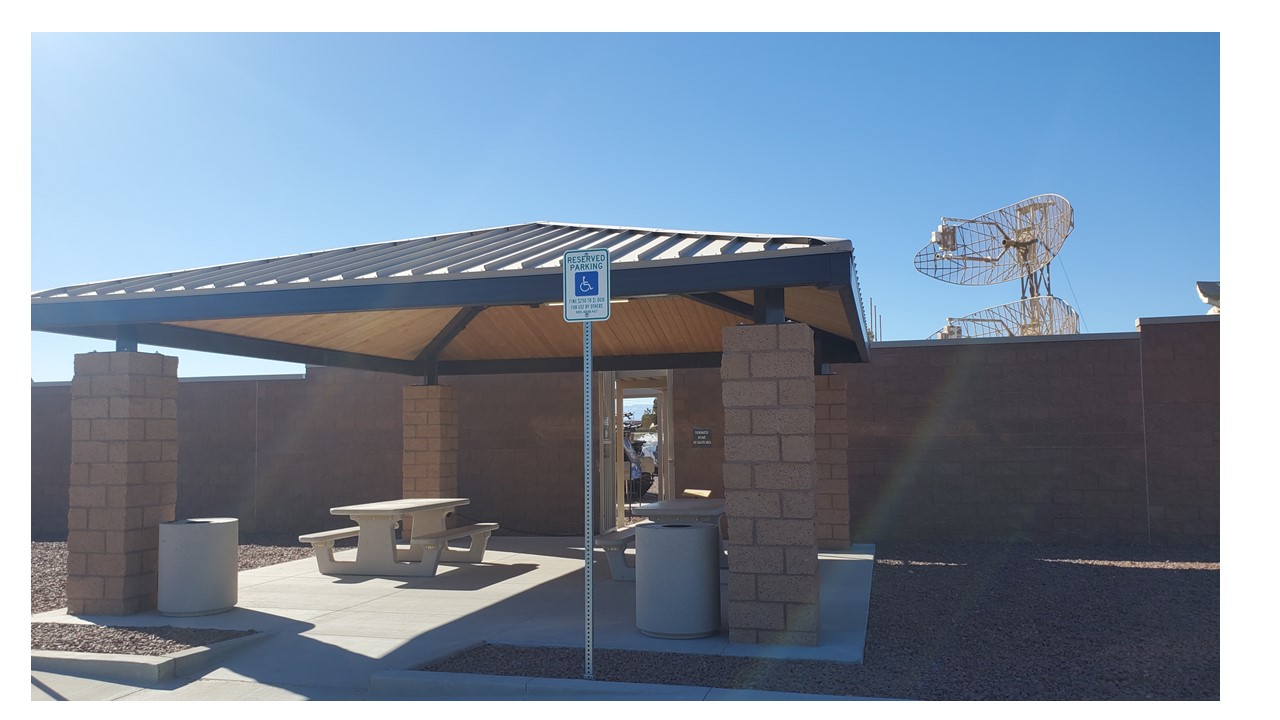
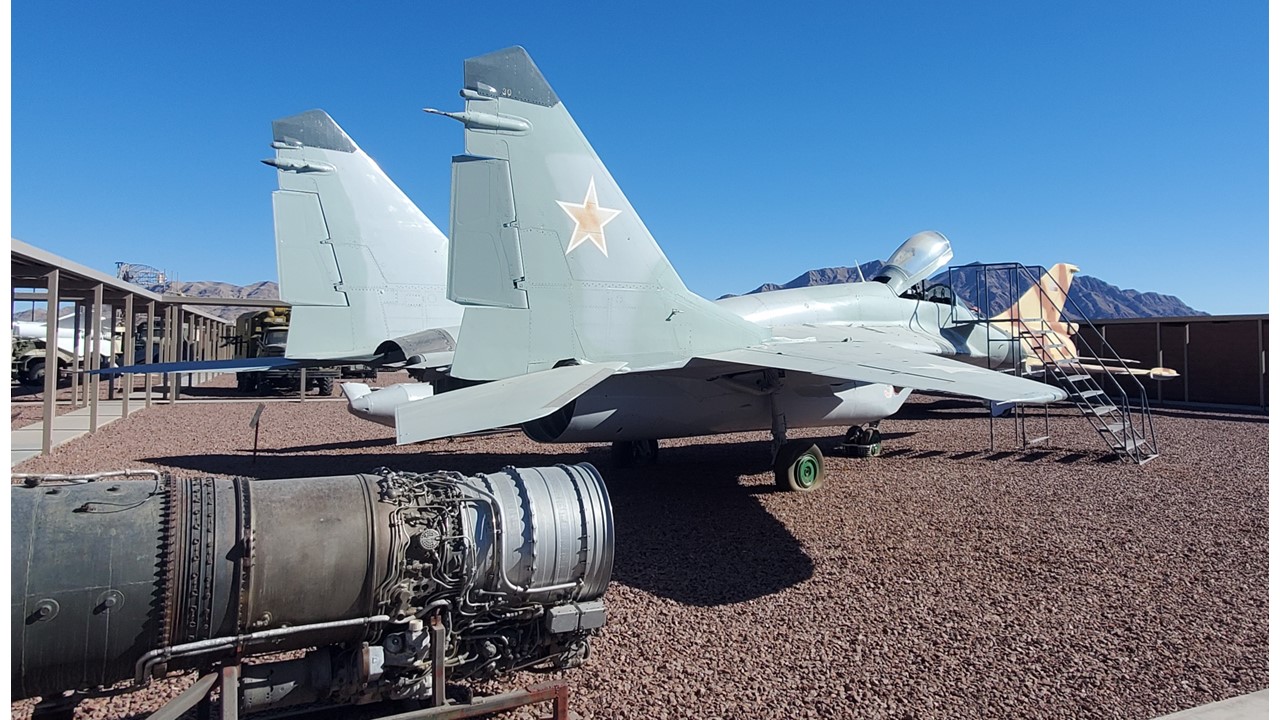
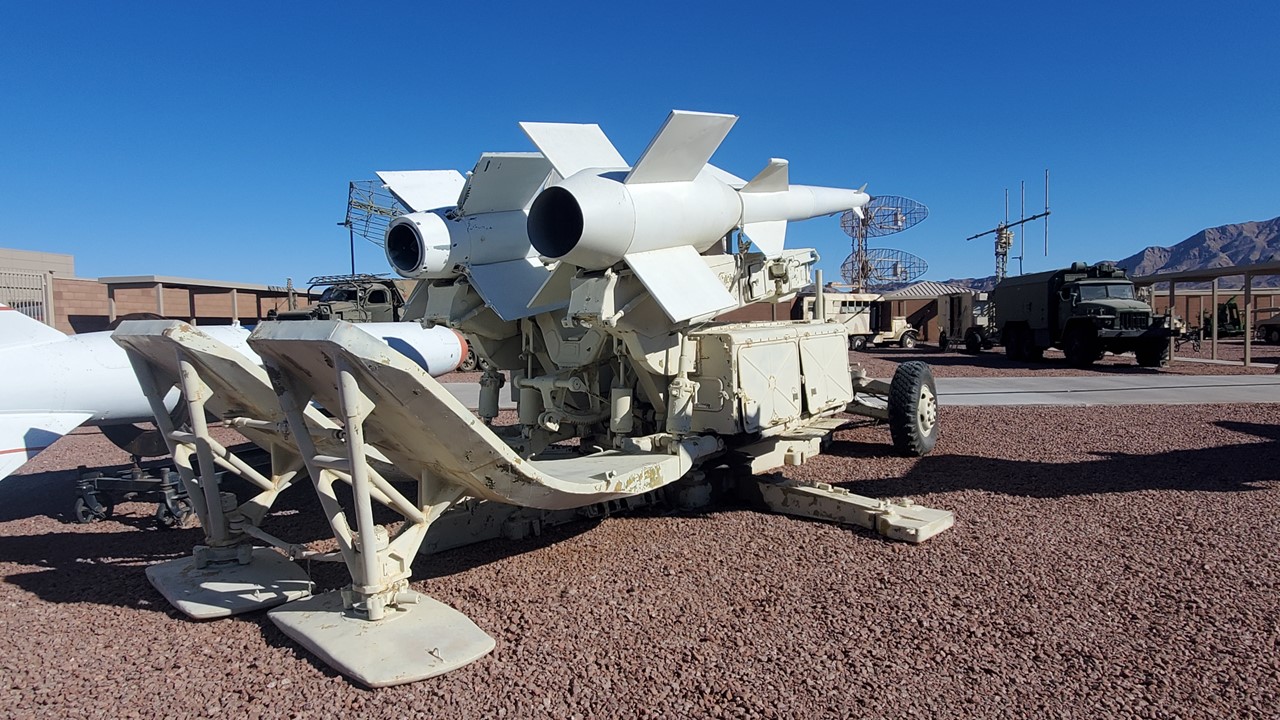
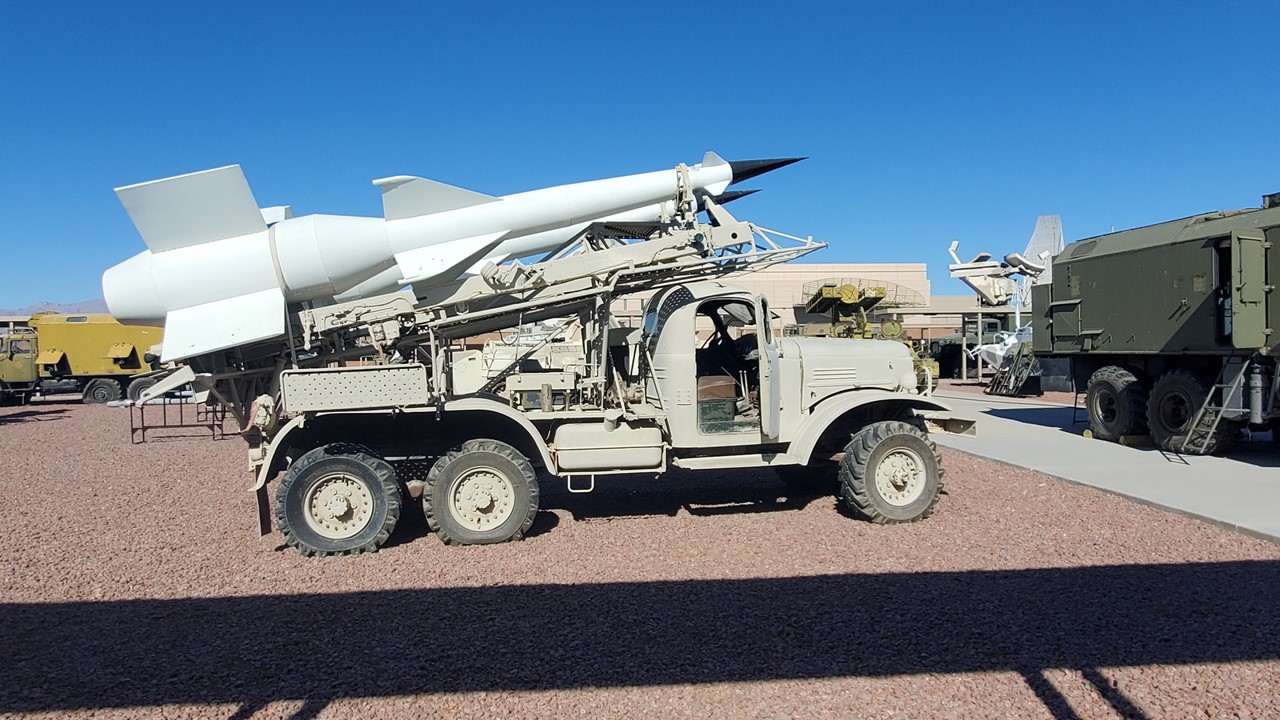
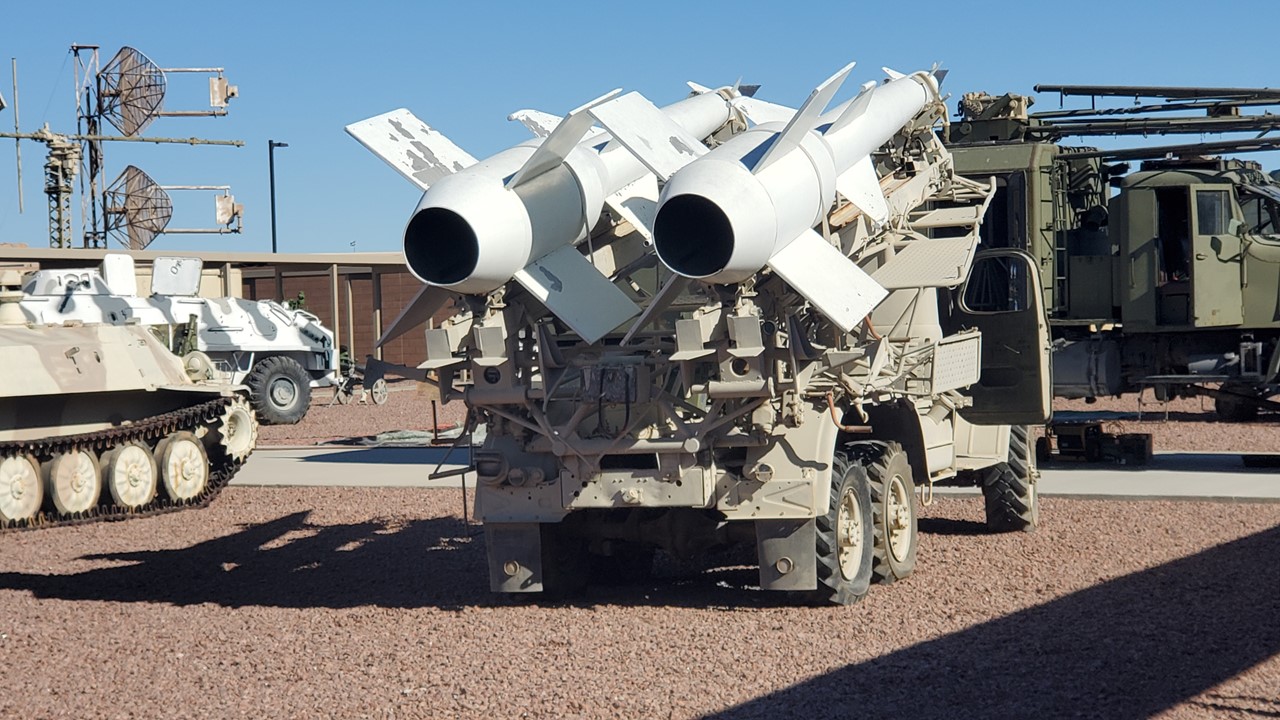
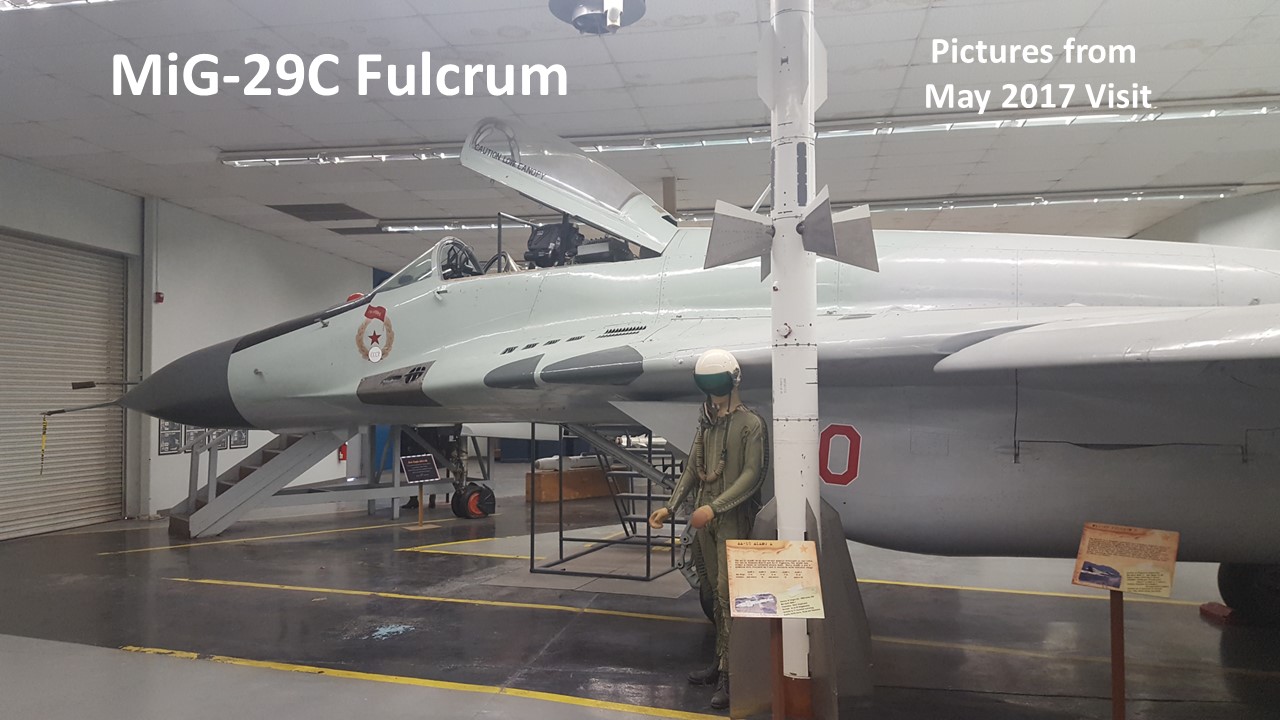
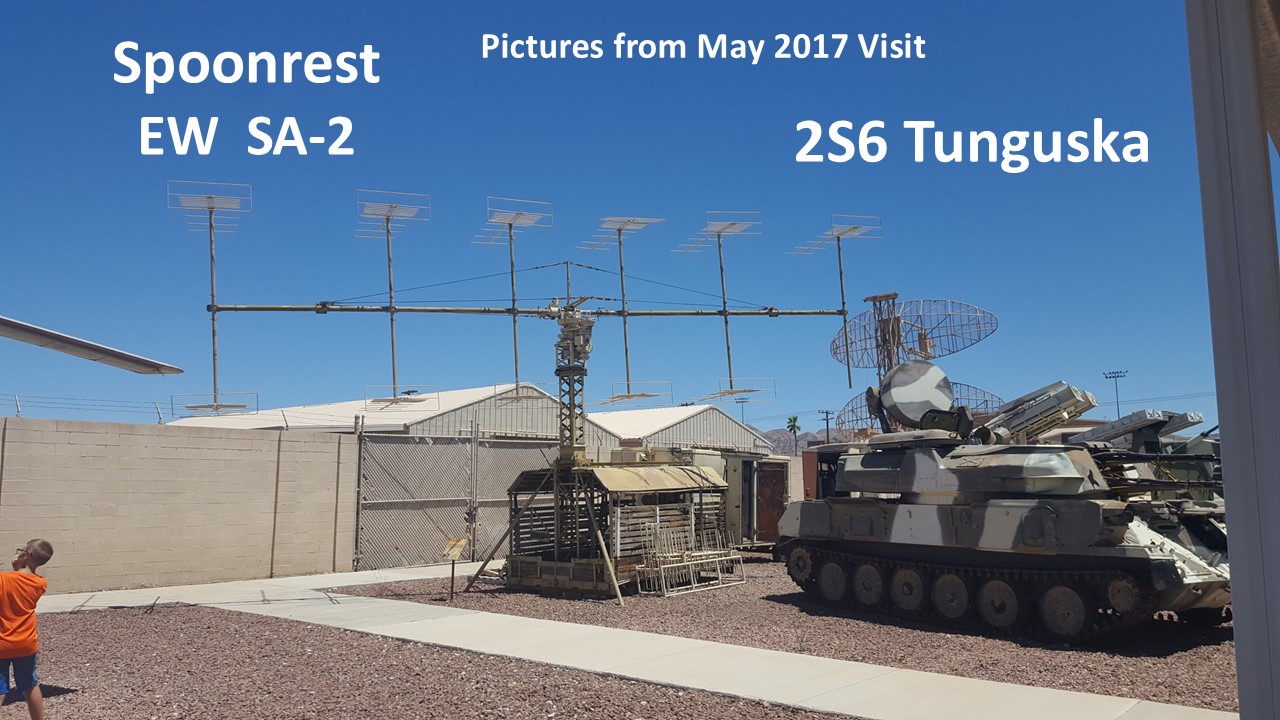
The Zoo is located at the south end of Nellis near the Red Flag building so that the aircrews and maintainers attending a Red Flag can get training on the threat systems when they are not actively flying missions. There has been an outside display of armor, vehicles, and surface-to-air missile (SAM) systems surrounded by a wall; and an inside building and hangar section that was at the secret level. That inside portion was declassified at some point and made open to visitors. The Zoo made a move in 2020 to a new set of buildings and a new enclosed outside area. This report has pictures from both the new and a few from the old facility from a visit that I made in May 2017. I have not yet visited the main building of the new facility so I cannot report of whether that is open to the public or what vehicles and systems might be inside. Hope to check that out during another visit. Not all of the items on display prior to the 2020 move have made the trip to the new site. A lot of armored vehicles are no longer on display after the move.
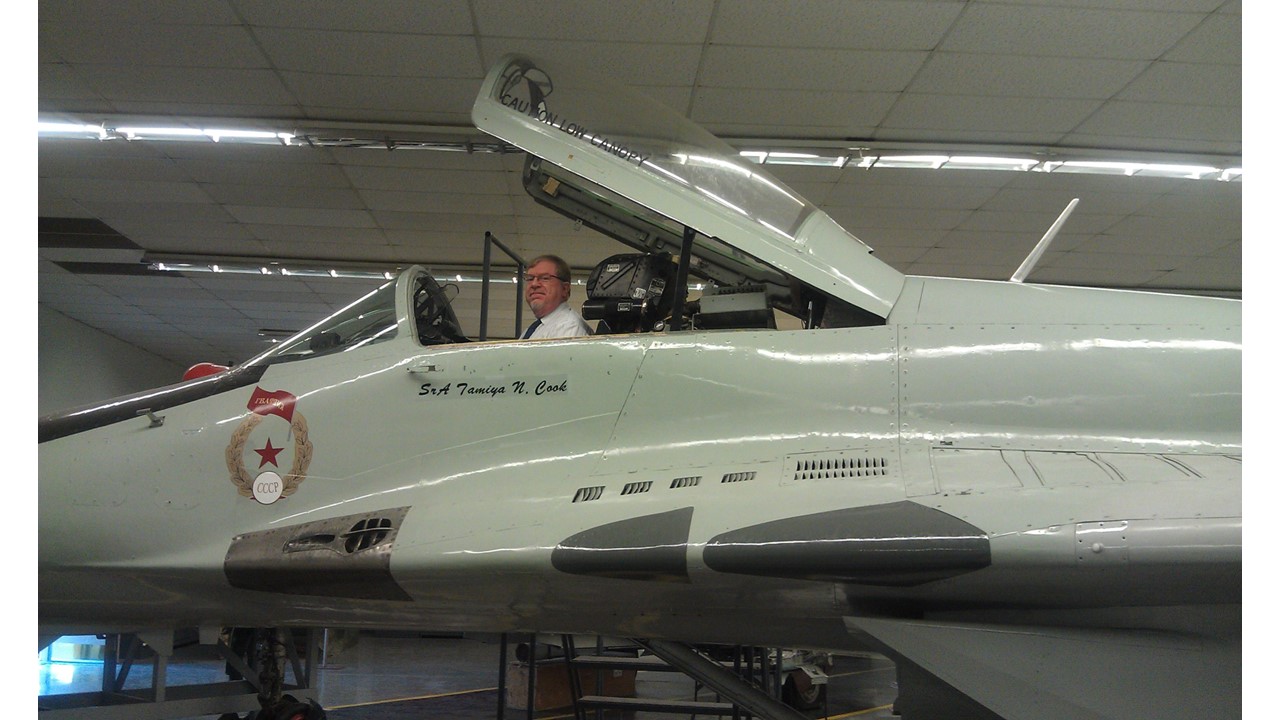
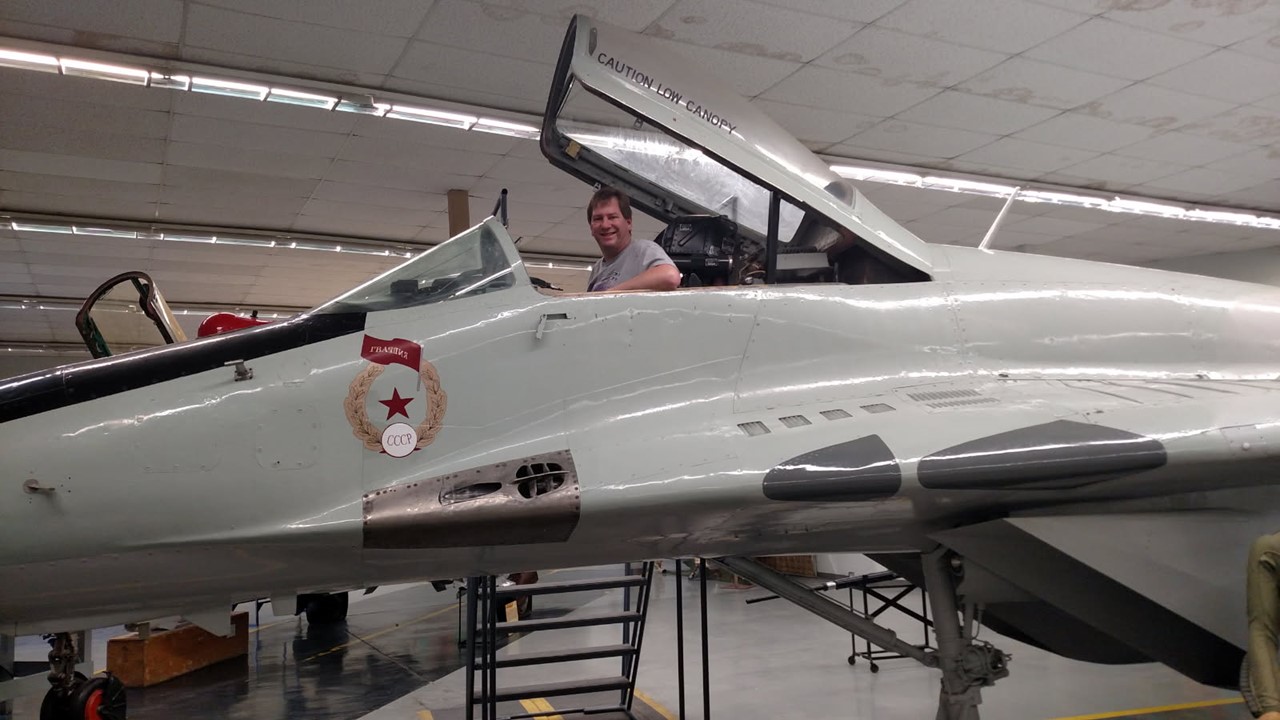
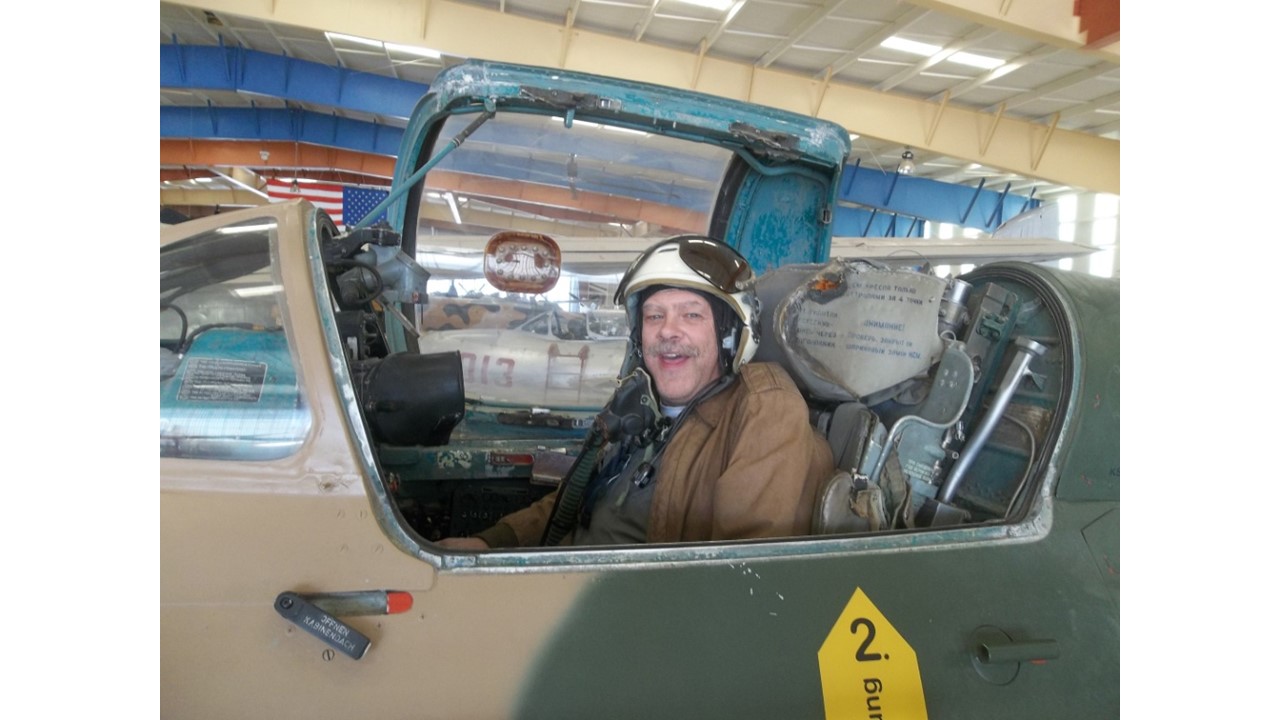
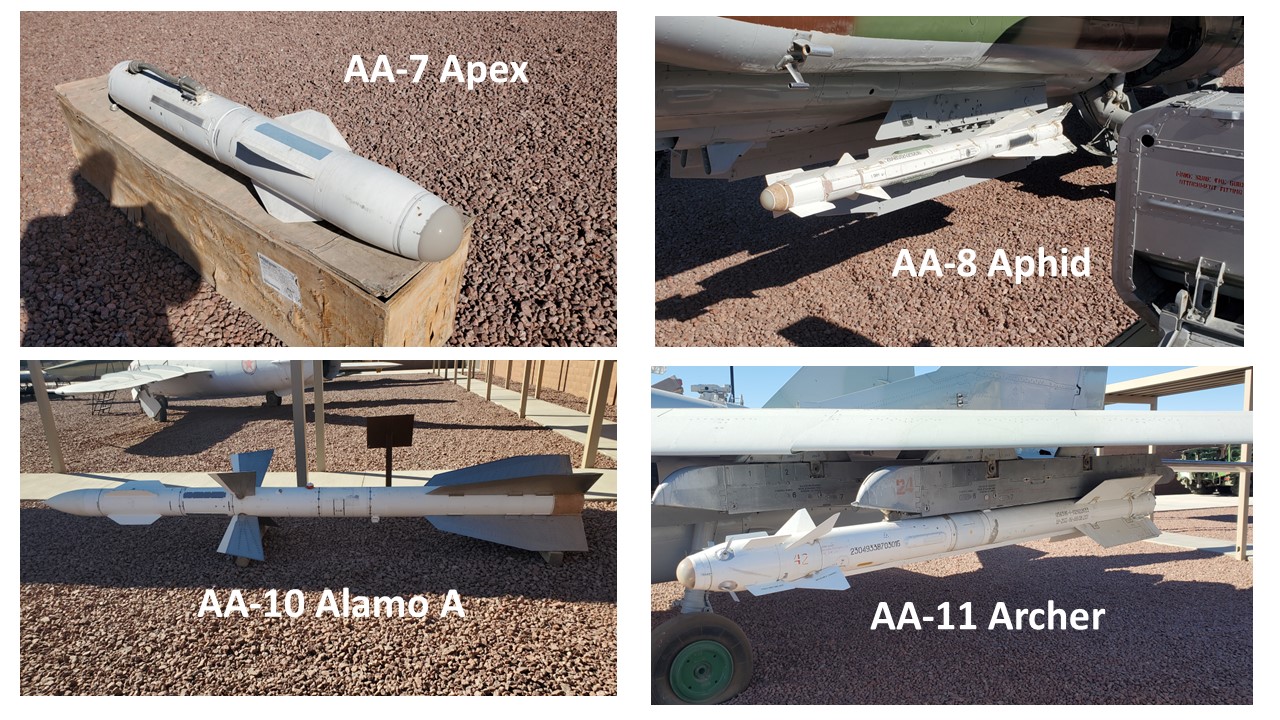
When I was an instructor at the USAF F-4 Fighter Weapons School (the Air Force’s “Top Gun” school)–two patches at top right on the intro picture–a visit down the street to the Zoo capped-off a two-week long course that we taught on the threats and the ways that the F-4 Phantom II could counter them. So, I got to do a lot of hands-on several times a year with the students and the Zoo animals. As I mentioned in my presentation, I almost got a bite from the ZSU-23-4’s top turret hatch when a student knocked-into that and it slammed closed right next to where I was sitting. Taking a spin in the gunner’s seat of the AAA pieces was also a must-do to see how easy (and scary) it was to track the fighters zooming around in the base pattern. Sitting in a threat aircraft’s cockpit was also a must for a lot of obvious reasons. I try to revisit the facility when I make trips to Las Vegas to see what new has been added. Recent additions have been a lot of air-to-air missiles and their pieces-parts.
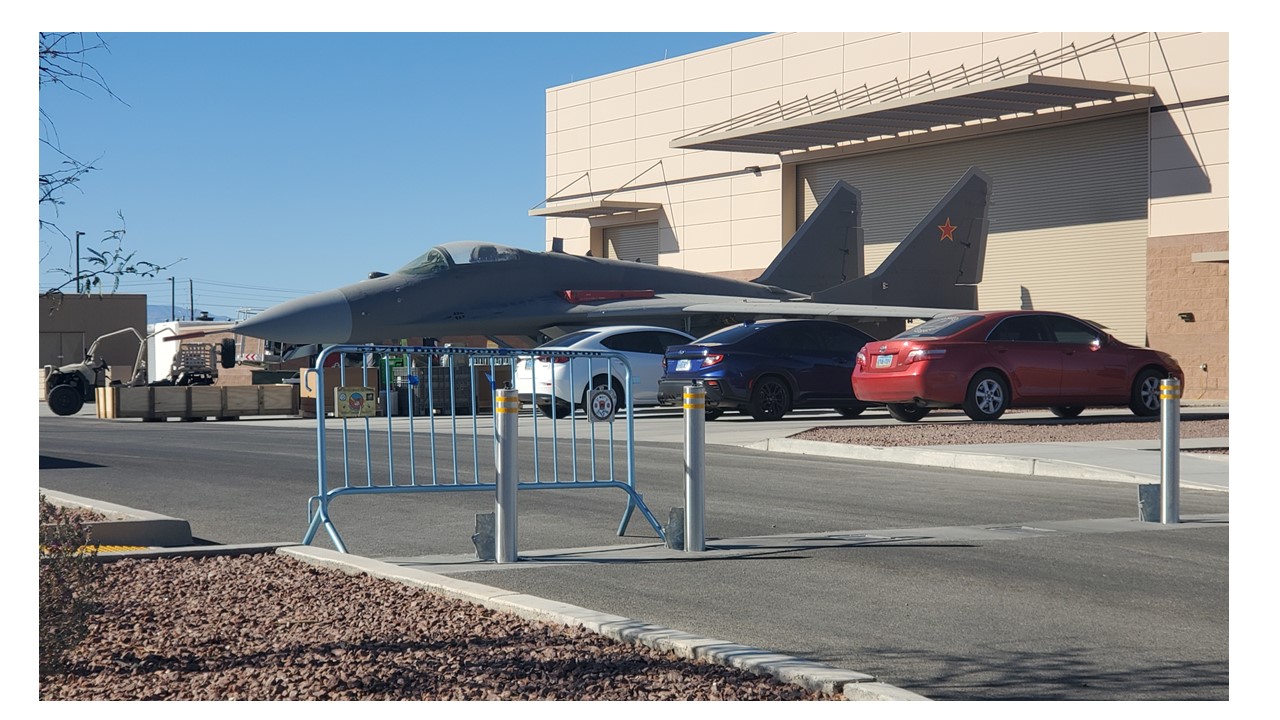
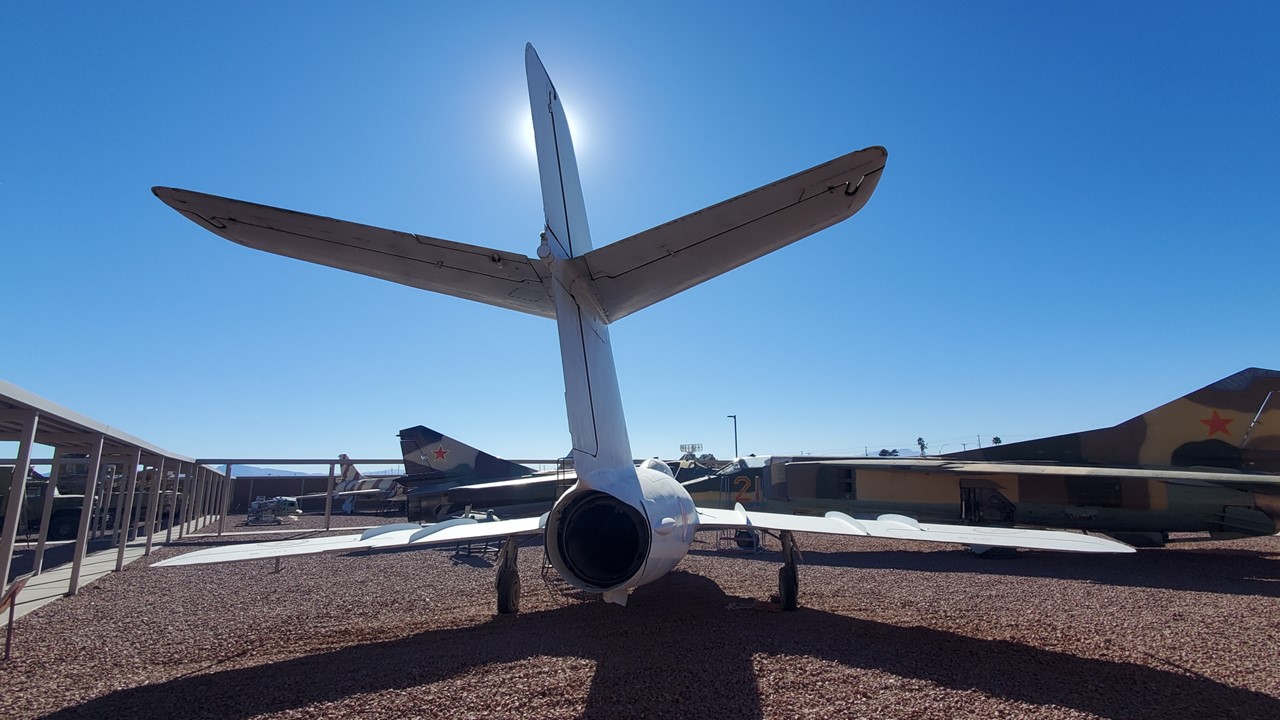
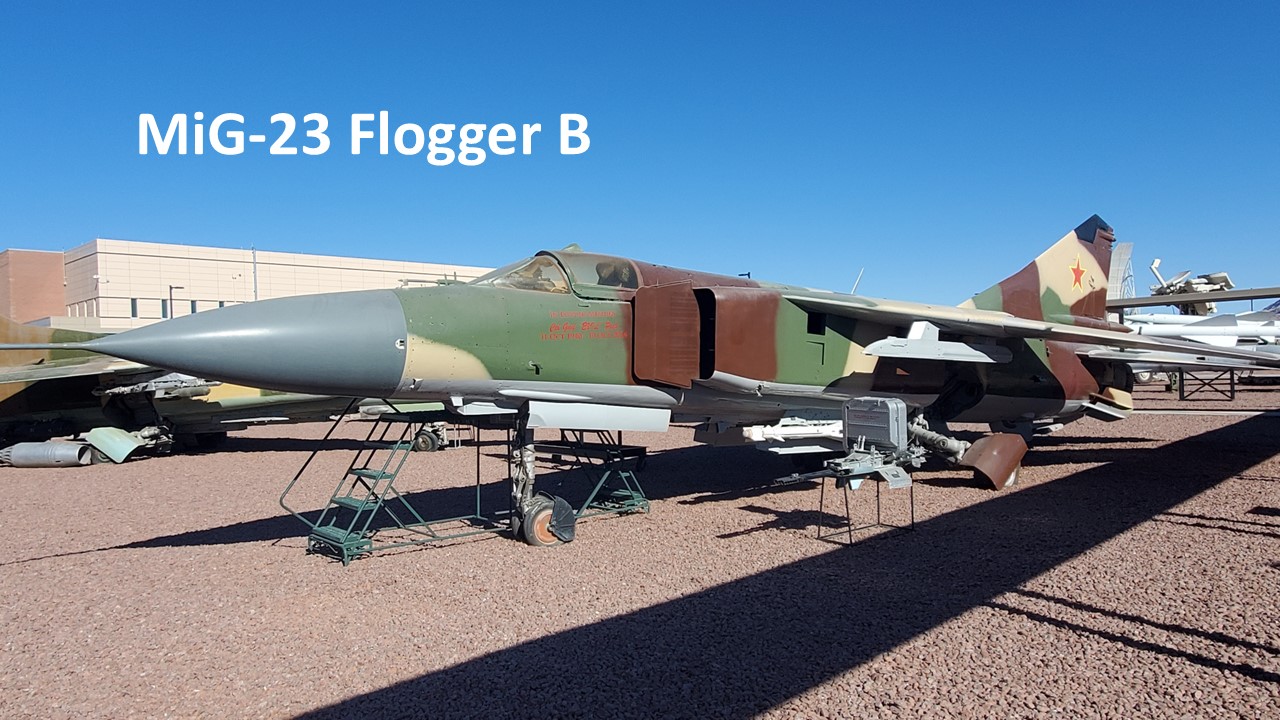
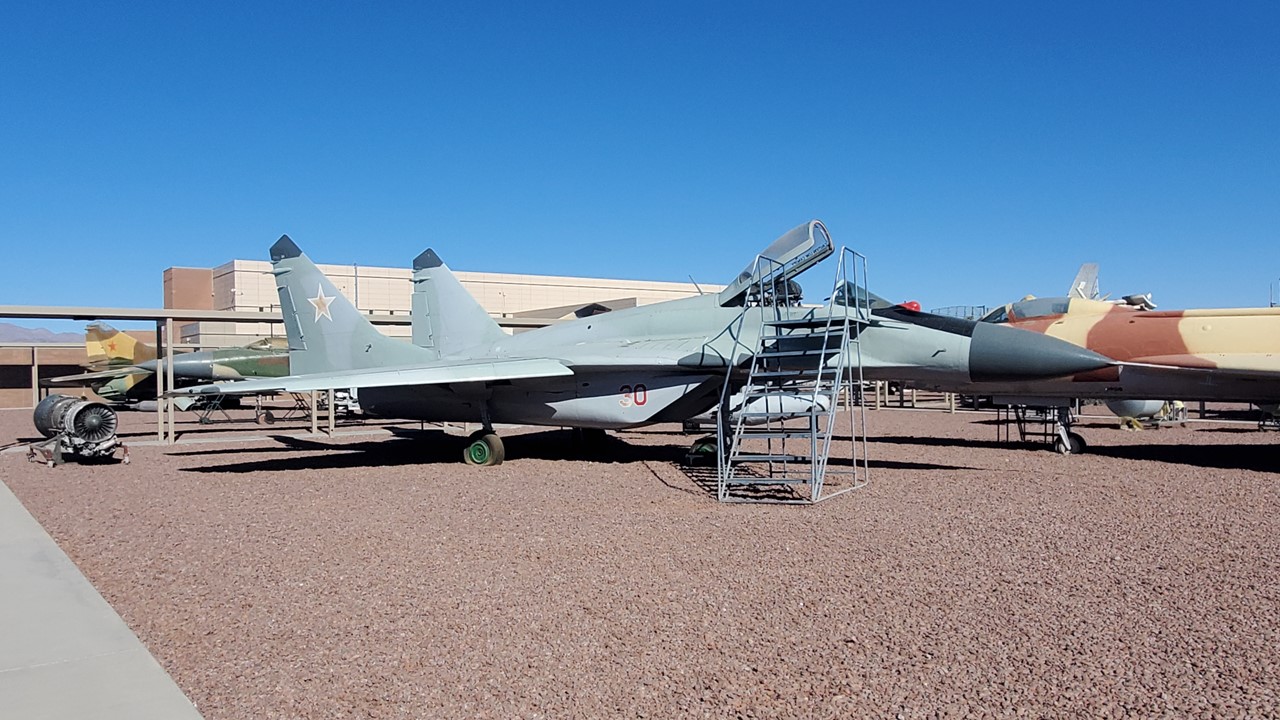
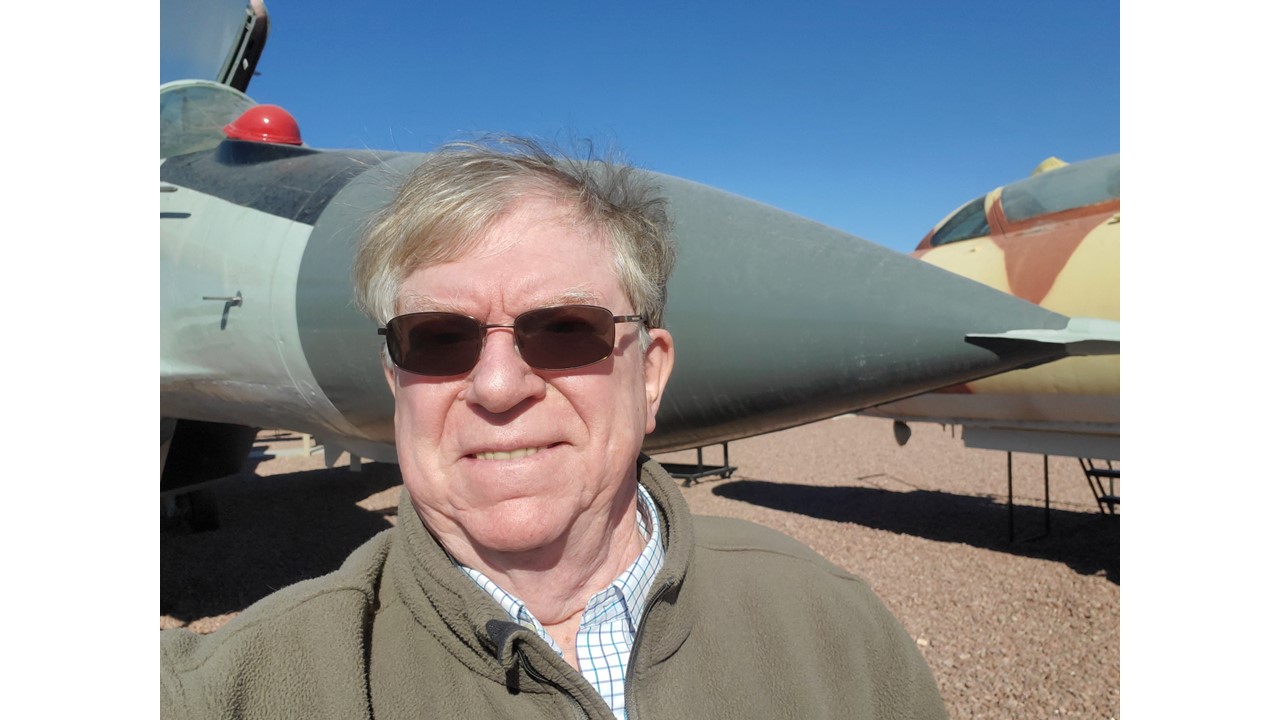
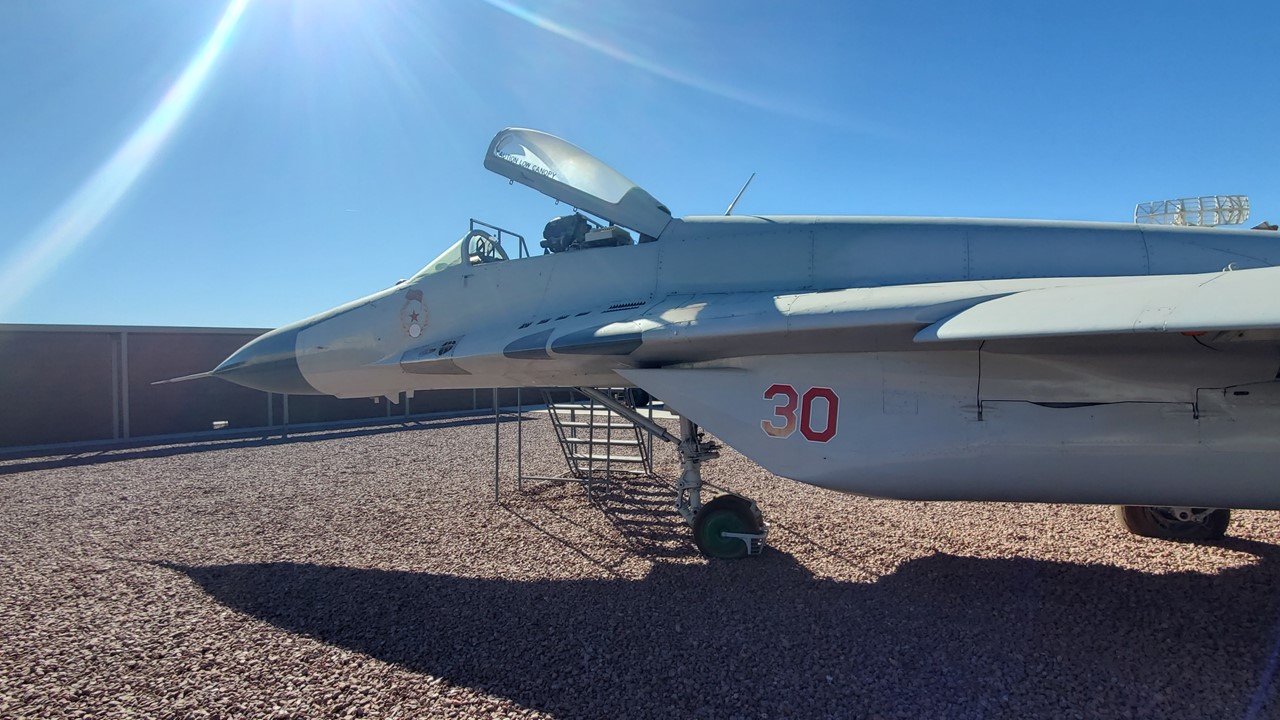
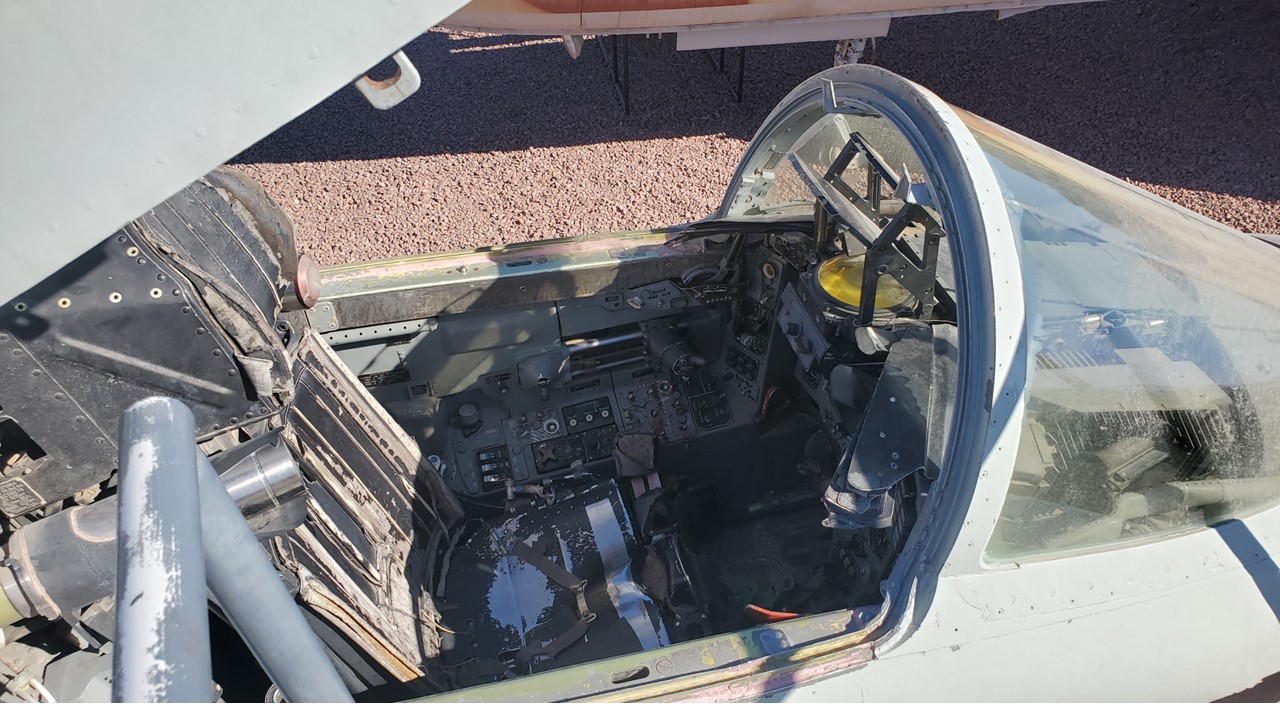
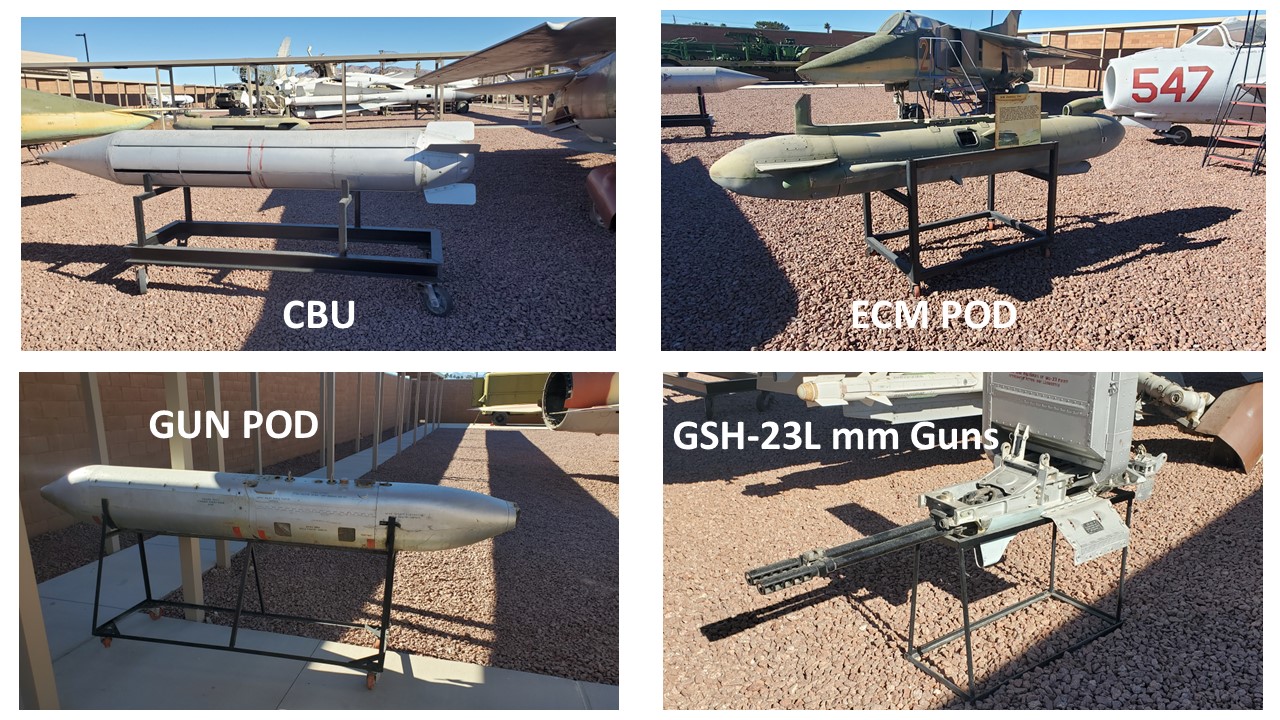
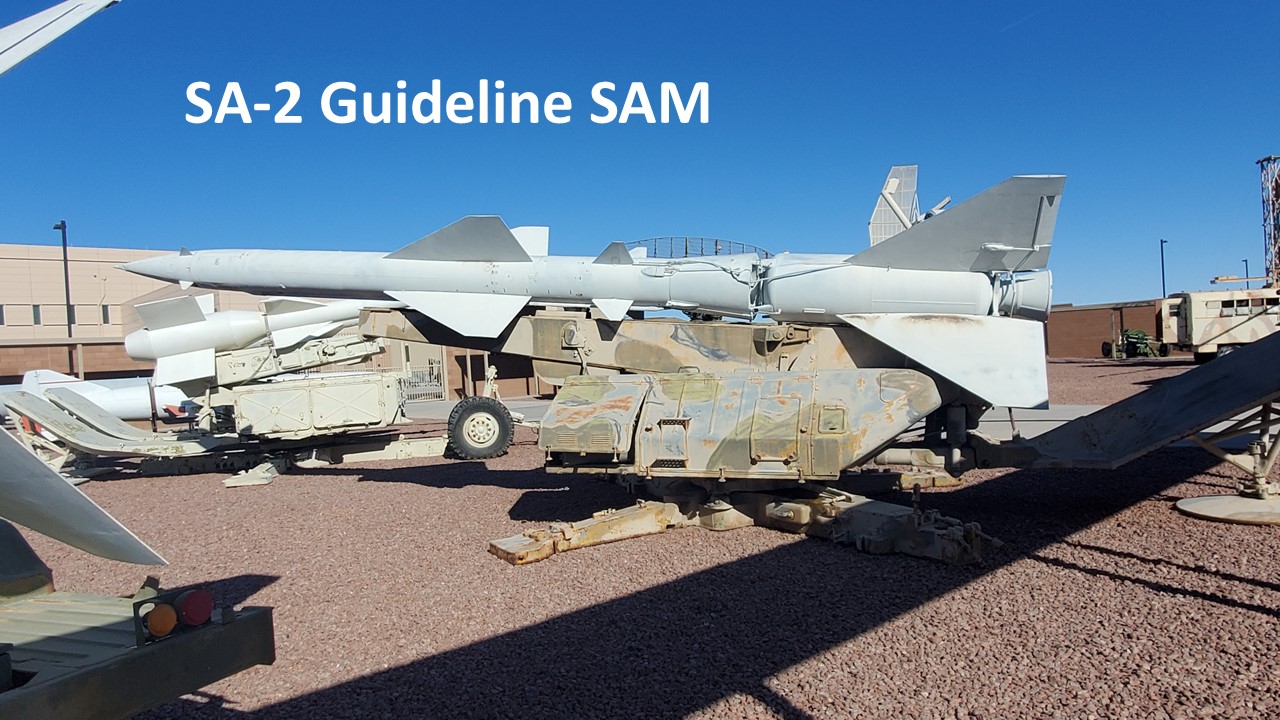
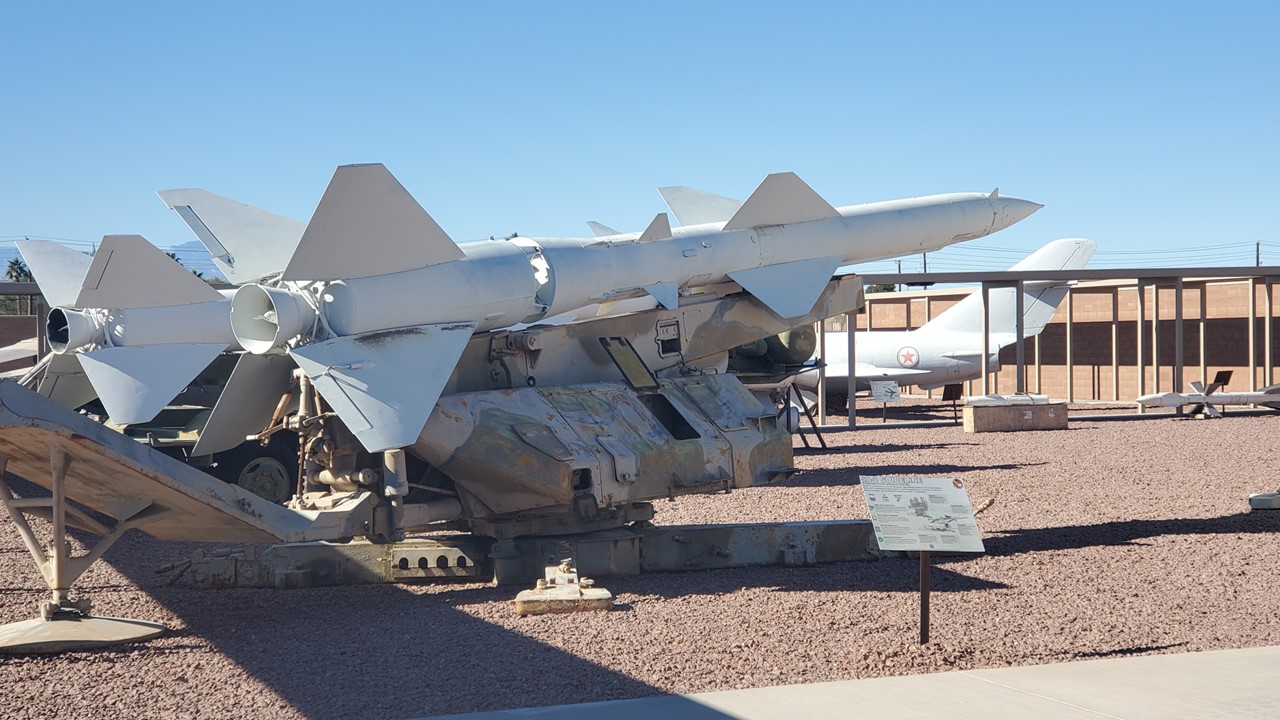
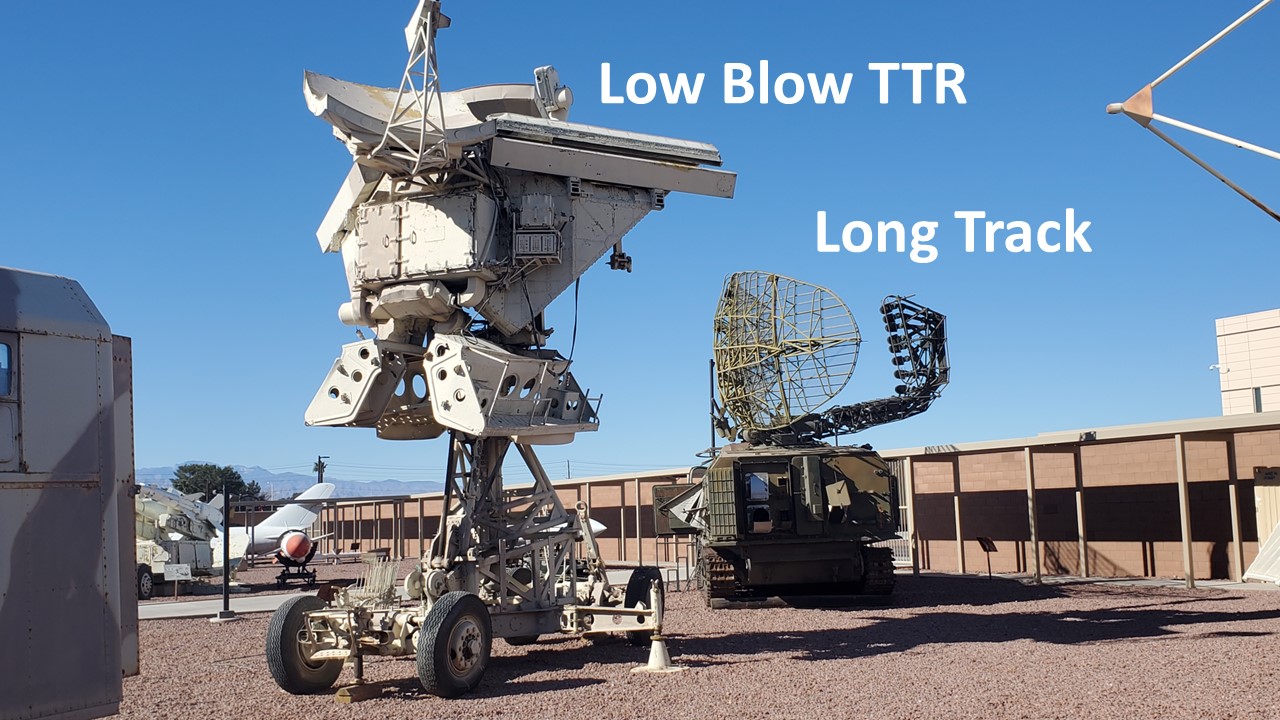
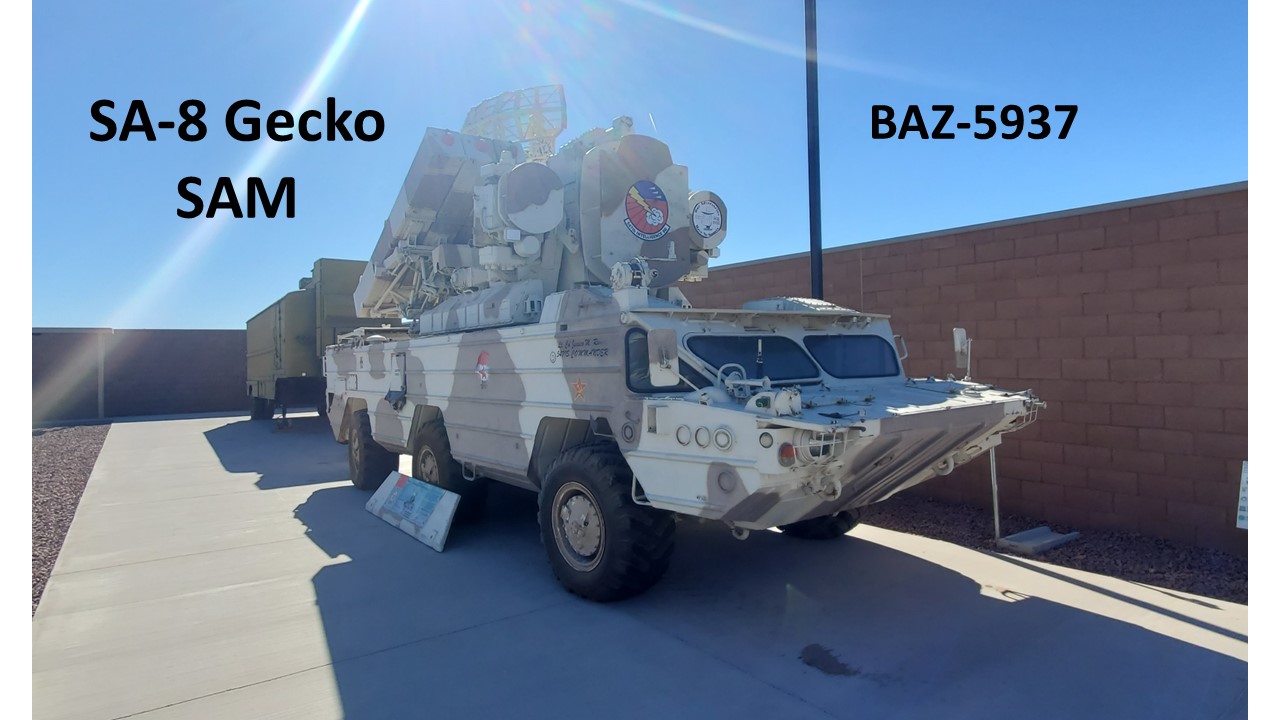
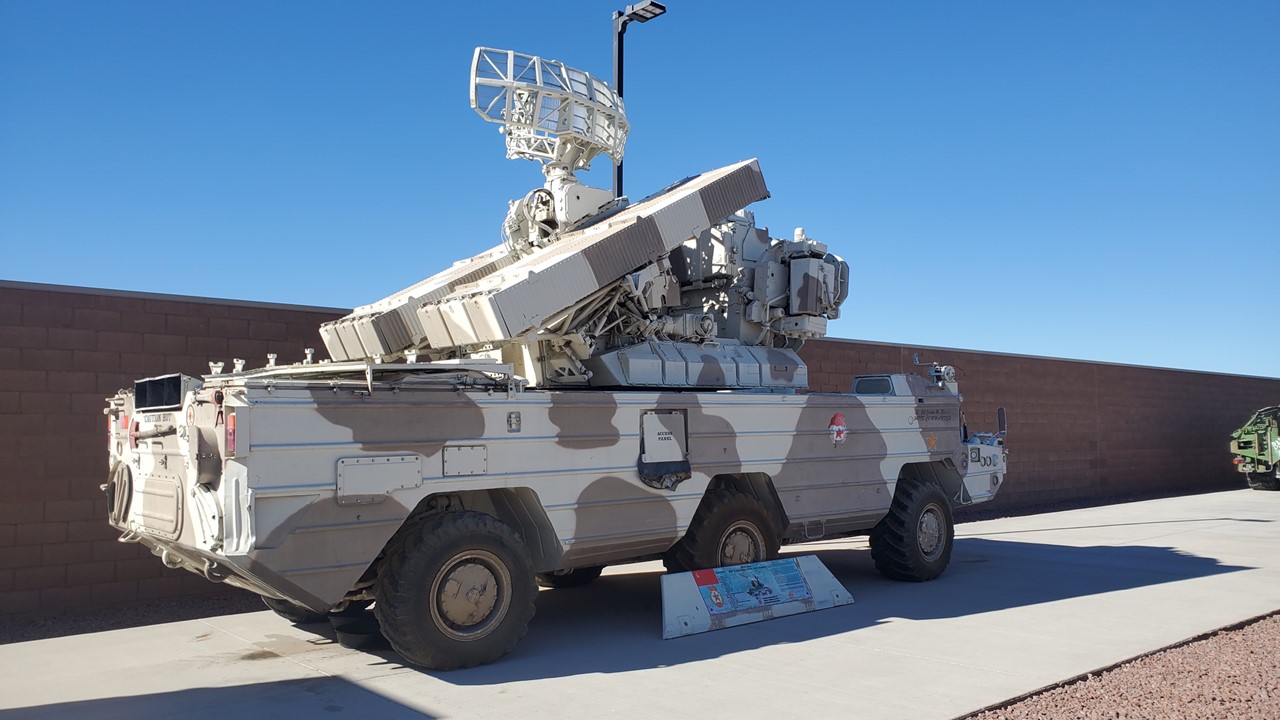
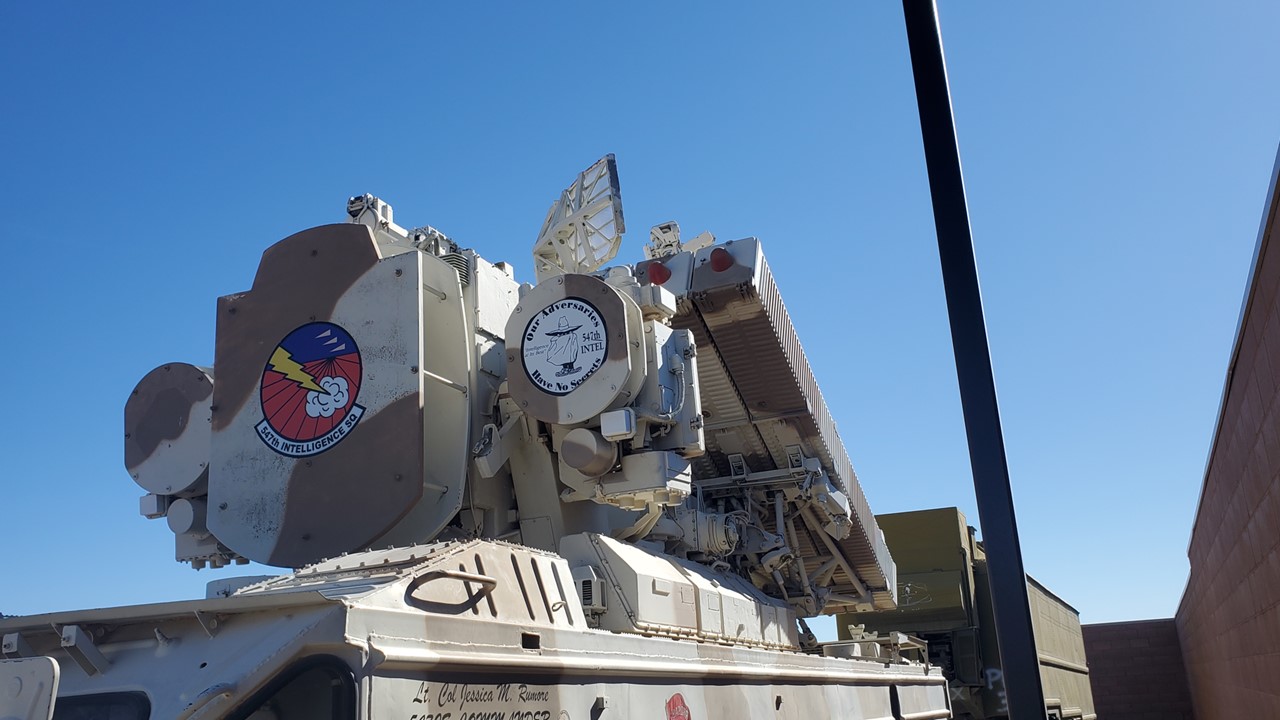
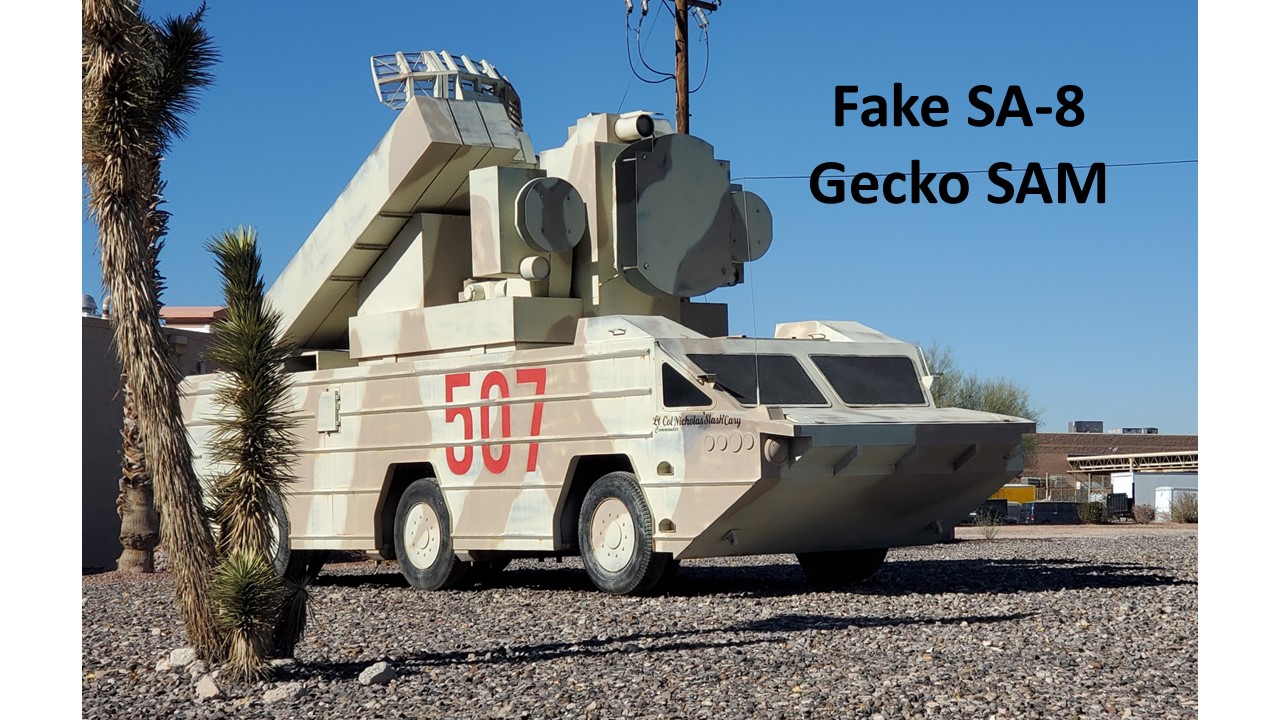
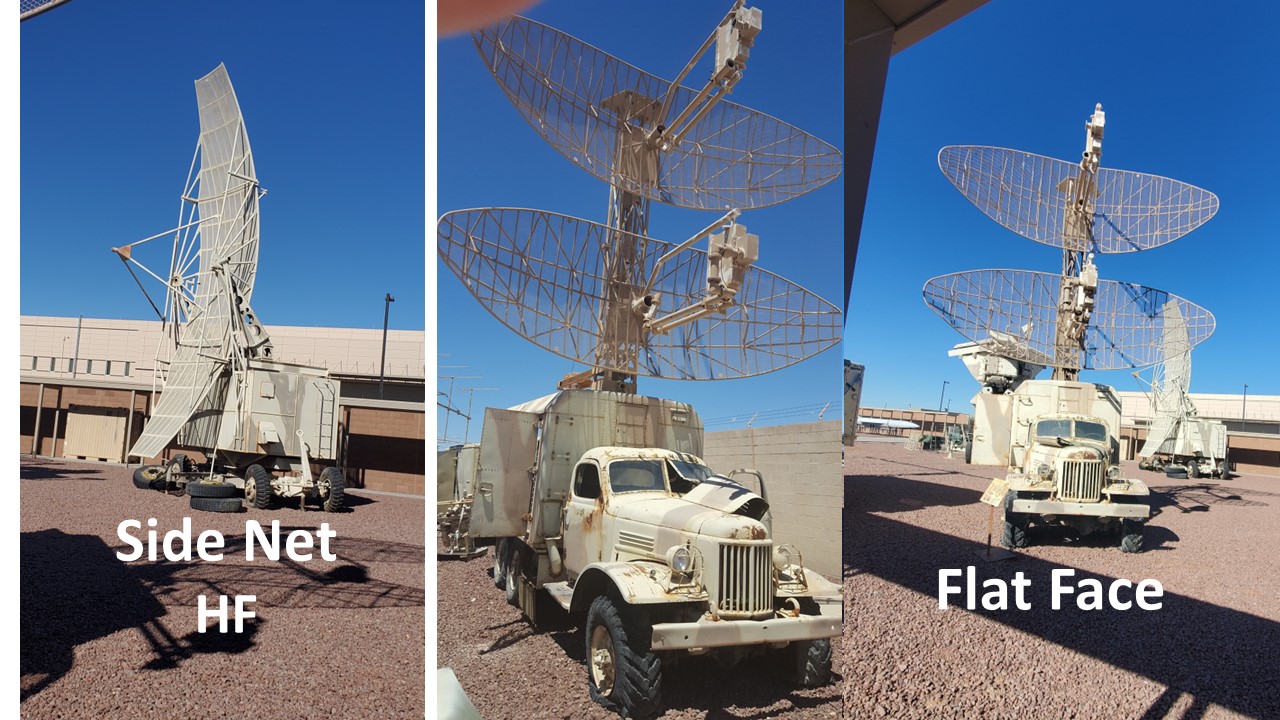
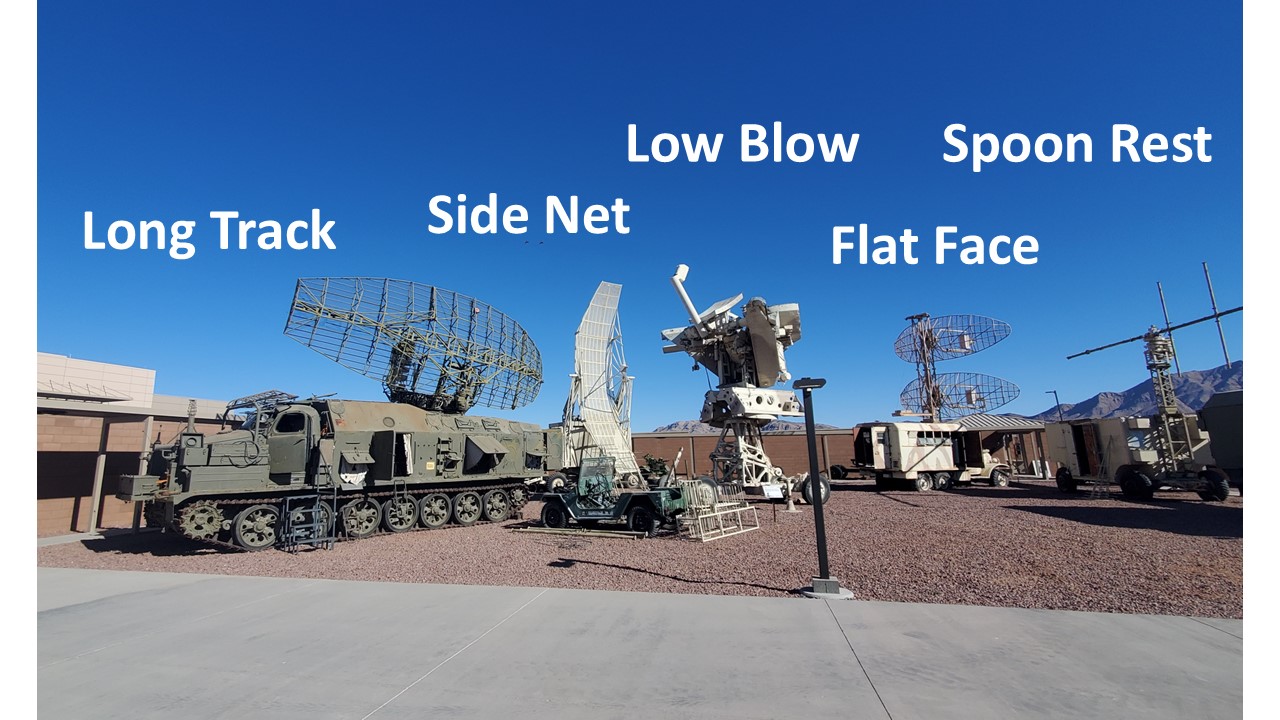
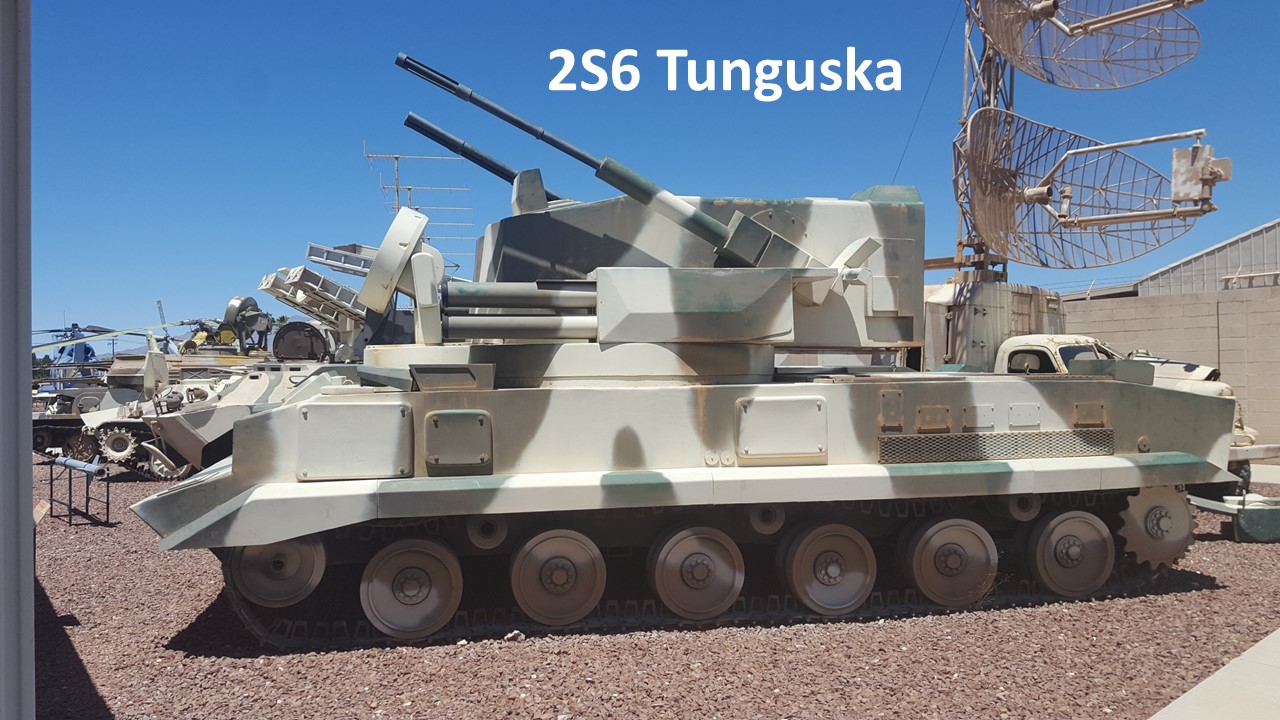
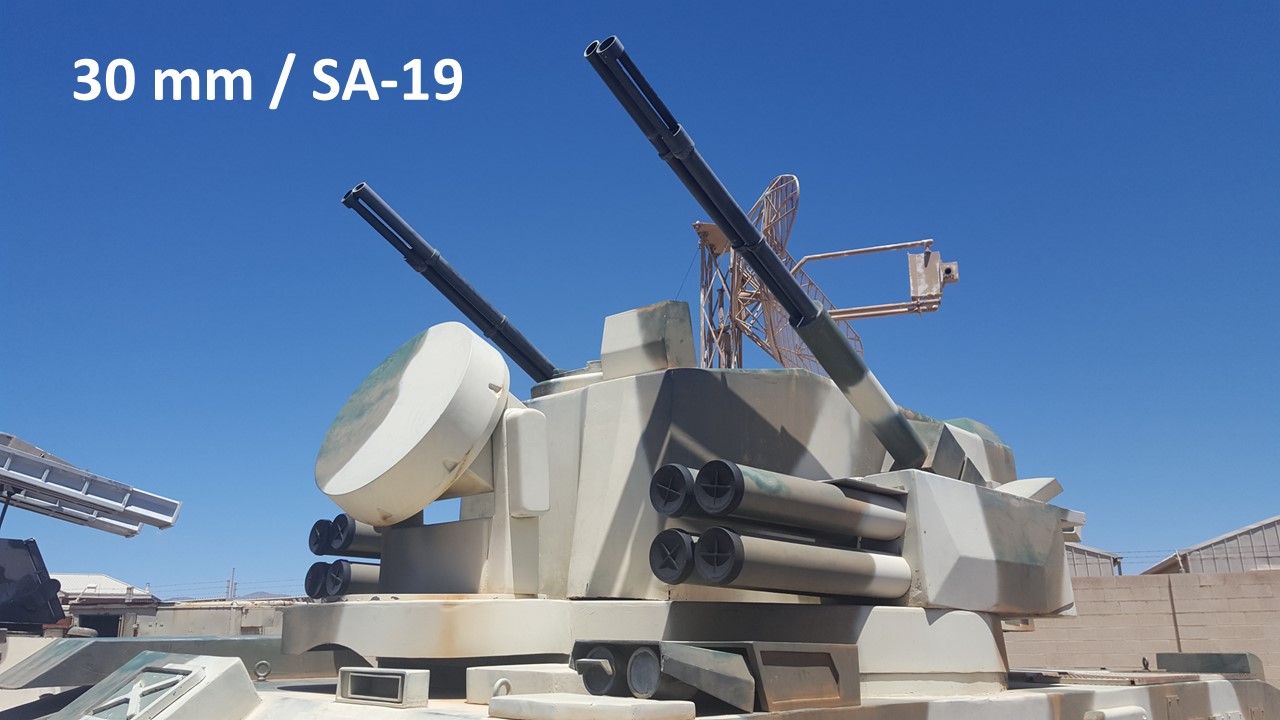
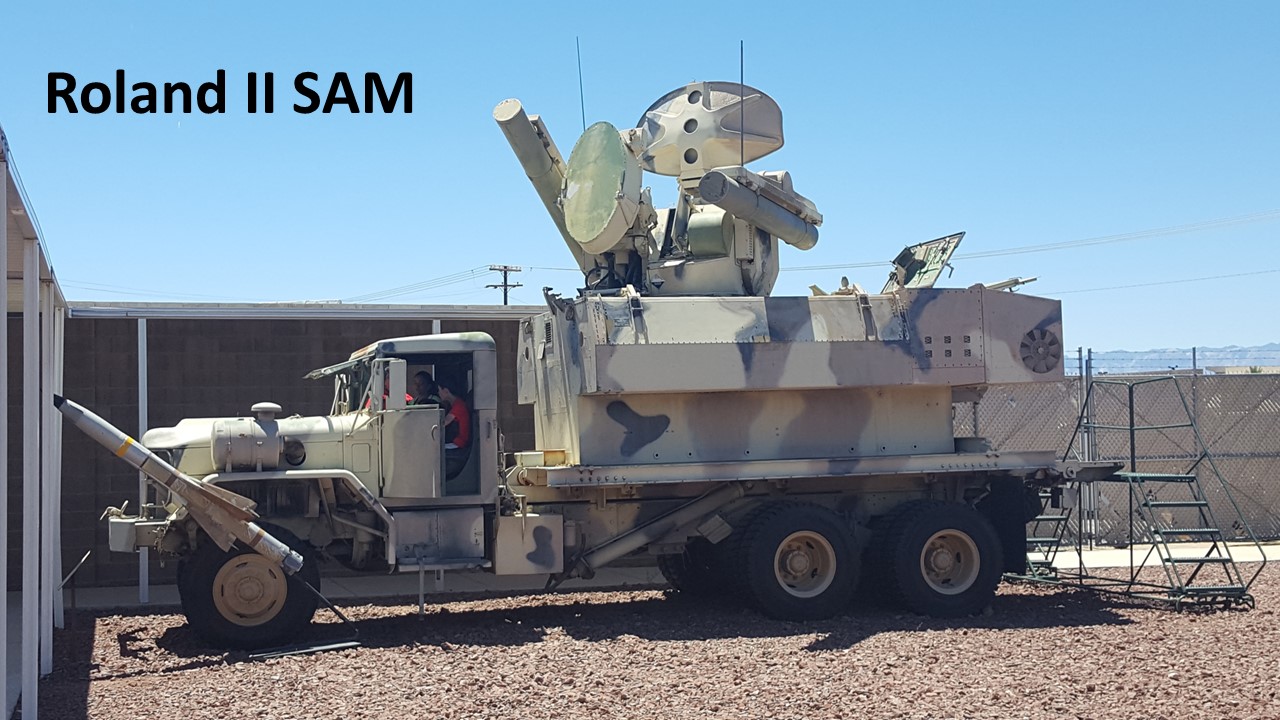
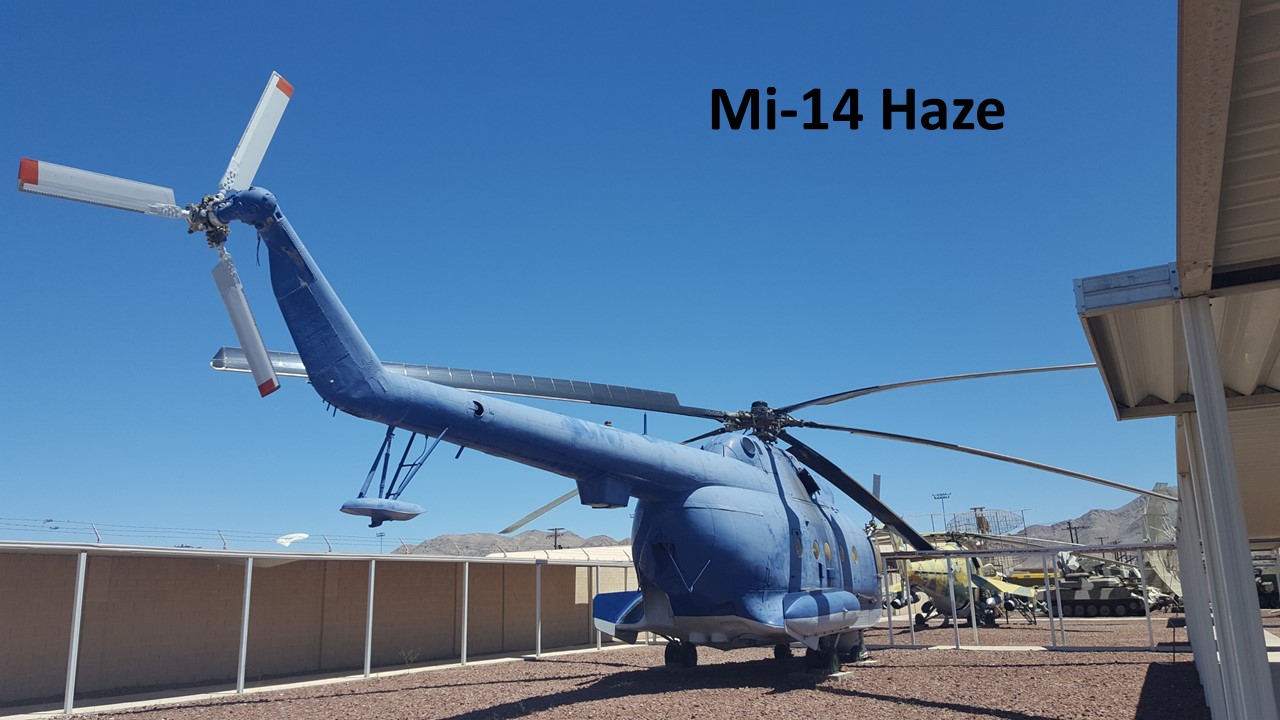
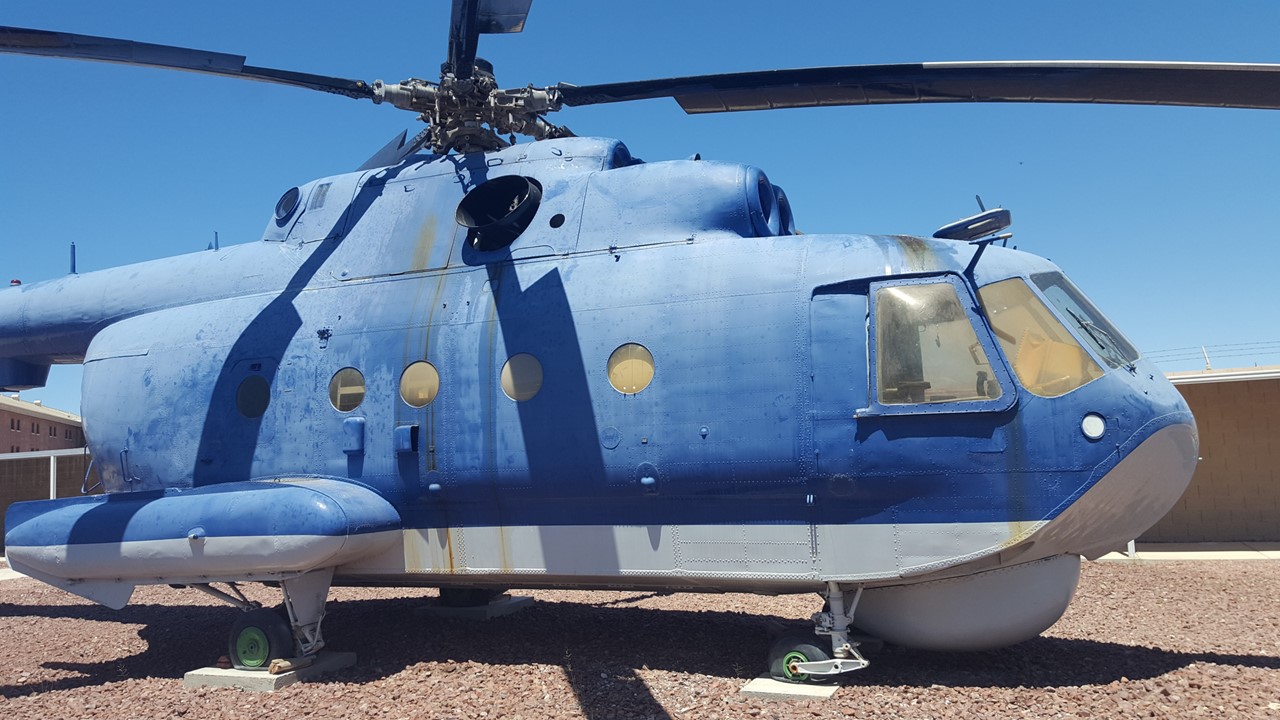
Notes on my “tour of the Zoo” pictures: I have grouped the pics into categories based upon their role. The items on display at the Zoo are not always presented that way. Some are grouped together by roles and some are not. I have embedded the name of the aircraft, vehicle, or system into the first pic of multiple pics of that item. The file names also include the name of the item. Unfortunately, there were few signs posted on the display pieces. A lot of the equipment looks to be under repair or renovation or waiting to be reassembled after the move. Some of the SAM systems have both real and mock-up missiles loaded on the launch rails, transporter-erector launchers (TEL), or transport trailers/trucks. The mock-up fake ones normally have a solid end to the nozzle and are a bit different color. The MiG-29 and MiG-23 used to be inside the old (pre-move) hangar building and are now outside baking-away in the sun. The MiG-29 canopy is open, so the ejection seat is getting fried. I have included pics of the MiG-23 and MiG-29 both inside and outside with some interesting characters in the cockpits. In the spirit of things, I have also included a pic of a MiG-21 driver at the War Eagles Air Museum in Santa Teresa – a close-by must-see visit. The aircraft that looks like a MiG-27 is a Flogger F, an early air-to-ground version of the MiG-23. Pics of the items in the 2020 display that did not make the move are also included below. “Fakes/mock-ups” in my 2017 pics include the 2S6, SA-10, SA-11, SA-12 and probably the SS-21. I have also included some aerial view pics of the old and new outside displays for comparison to show what was moved or not.
The first intro slide pic shows the patches of the 547th Intel Squadron, 365th ISRG, and other units at Nellis AFB involved with the Zoo. The top far right patches are the USAF Fighter Weapons School and the F-4 Division that I was assigned to for three years. I am proud to say that I designed the F-4 Division patch (helped by my plastic modeling skills) that prominently depicts the F-4 Phantom “Spook” superimposed over an F-4E and then the bullseye target of the 57th Wing patch, and the checkered yellow and black tail fin markings of our aircraft. This superimposing style became the template used by the other Fighter Weapons School divisions that subsequently produced their own patches.
During the presentation I proposed having a sponsored contest sometime in 2026 called “At the Zoo” that would include any item that is displayed at the Zoo. It sounded like that would be popular, so we will see what the E-Board decides to do. Systems in either the 2020 pics or the 2025 pics are eligible. There were several non-Soviet threat systems at the Zoo, so it includes those, too (I-HAWK, Roland, Rapier, and Chapparal). Entries do not need to be in the marking of those at the Zoo. You can check with me if you have any questions.
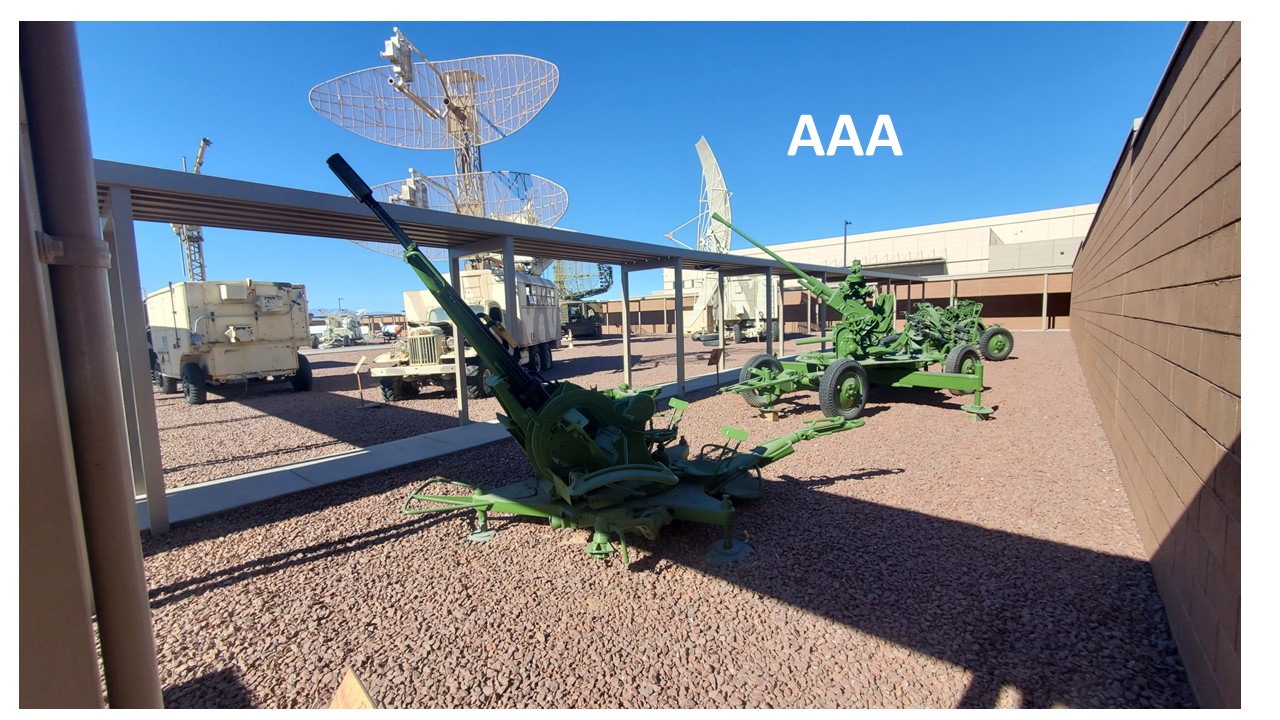
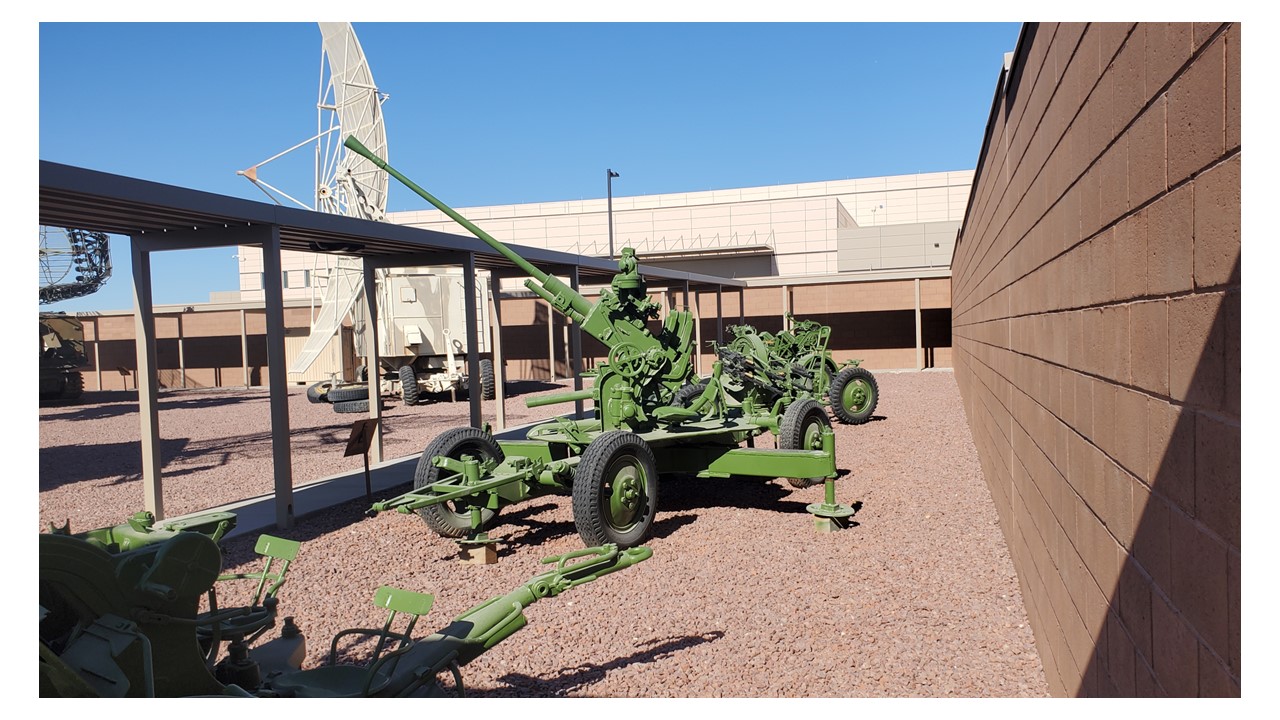
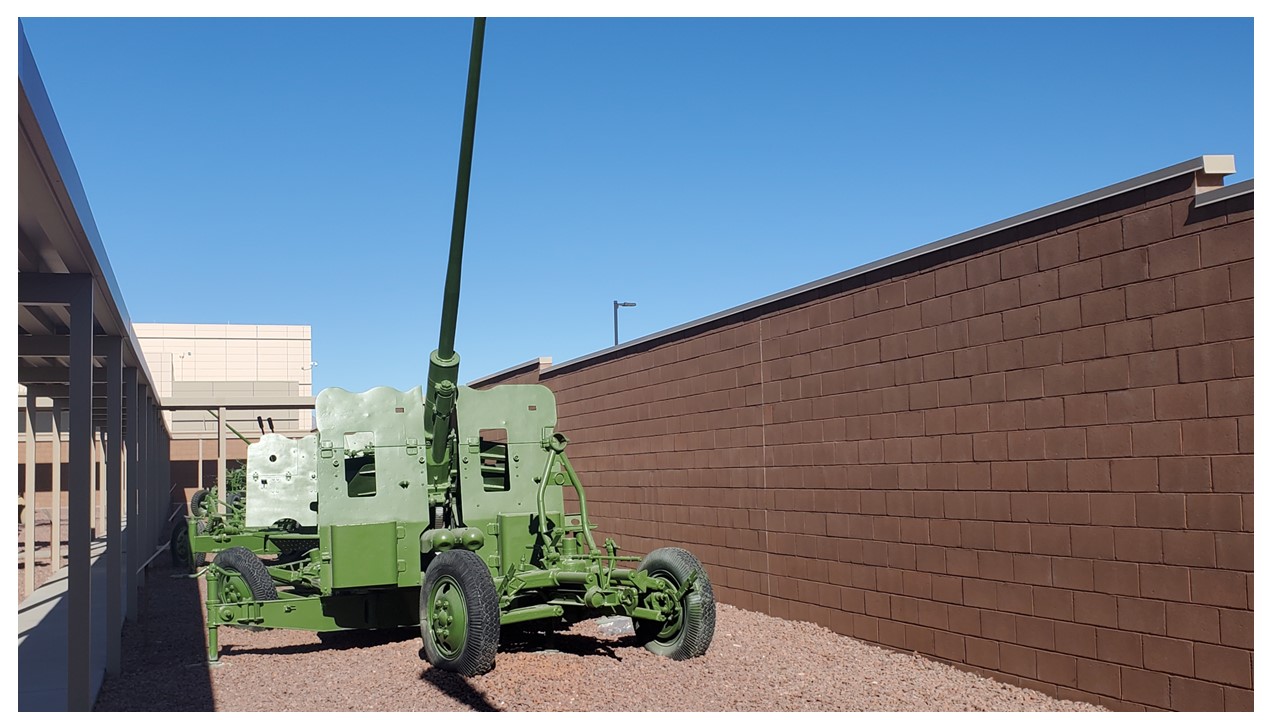
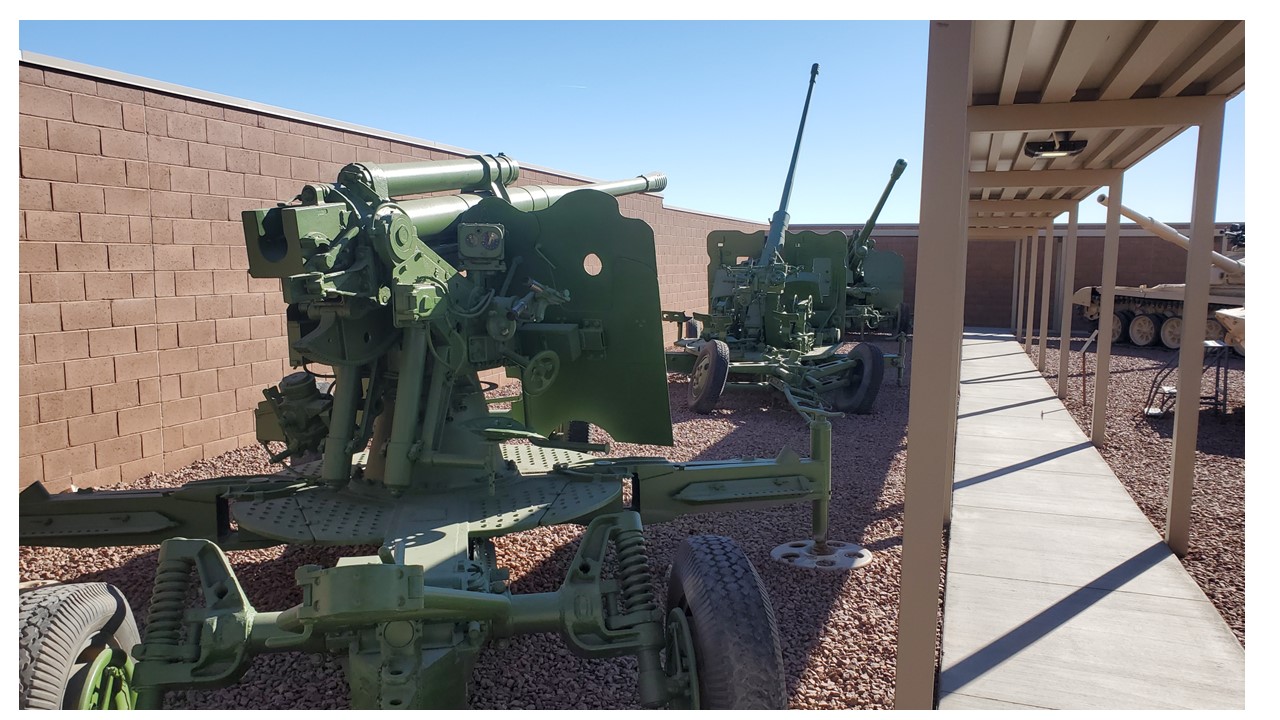
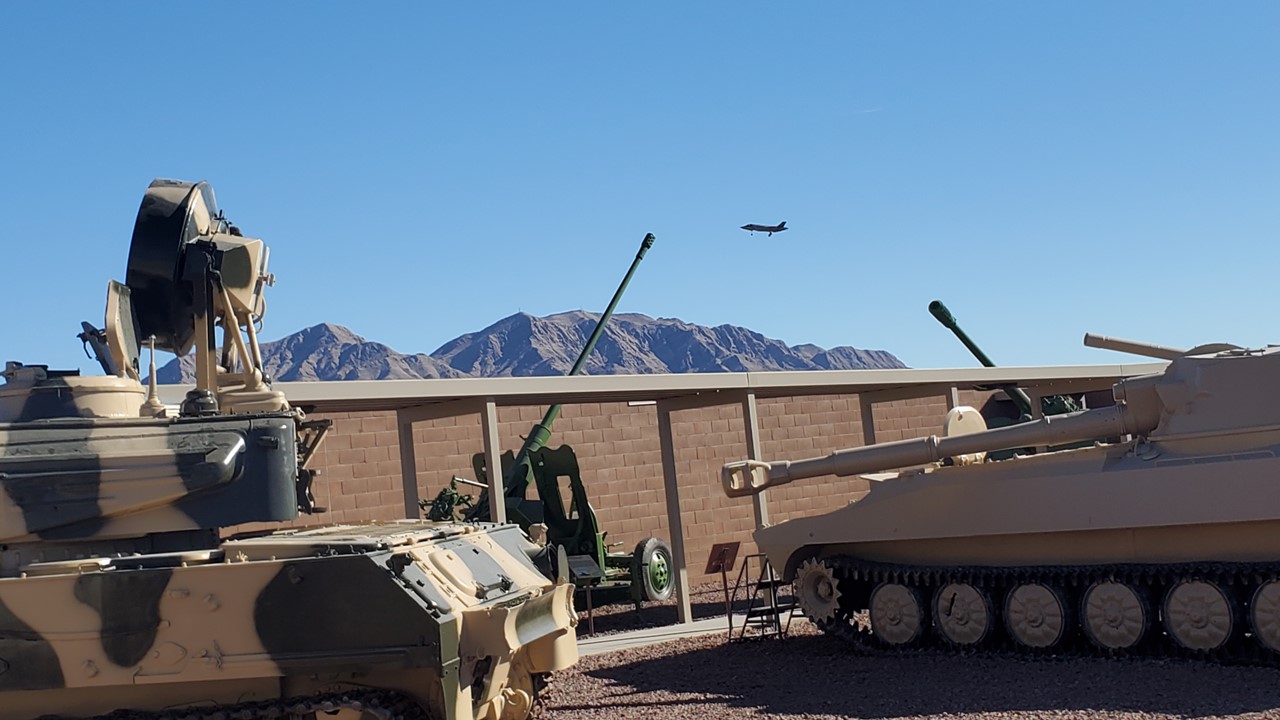
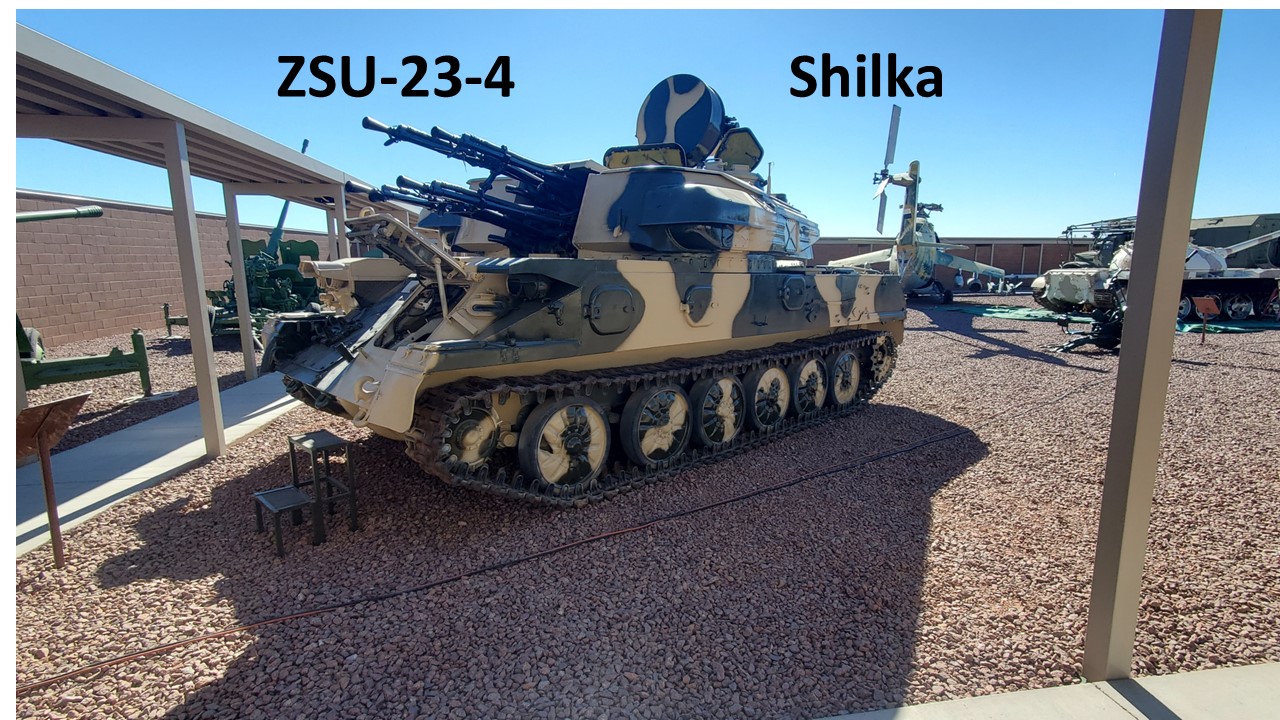
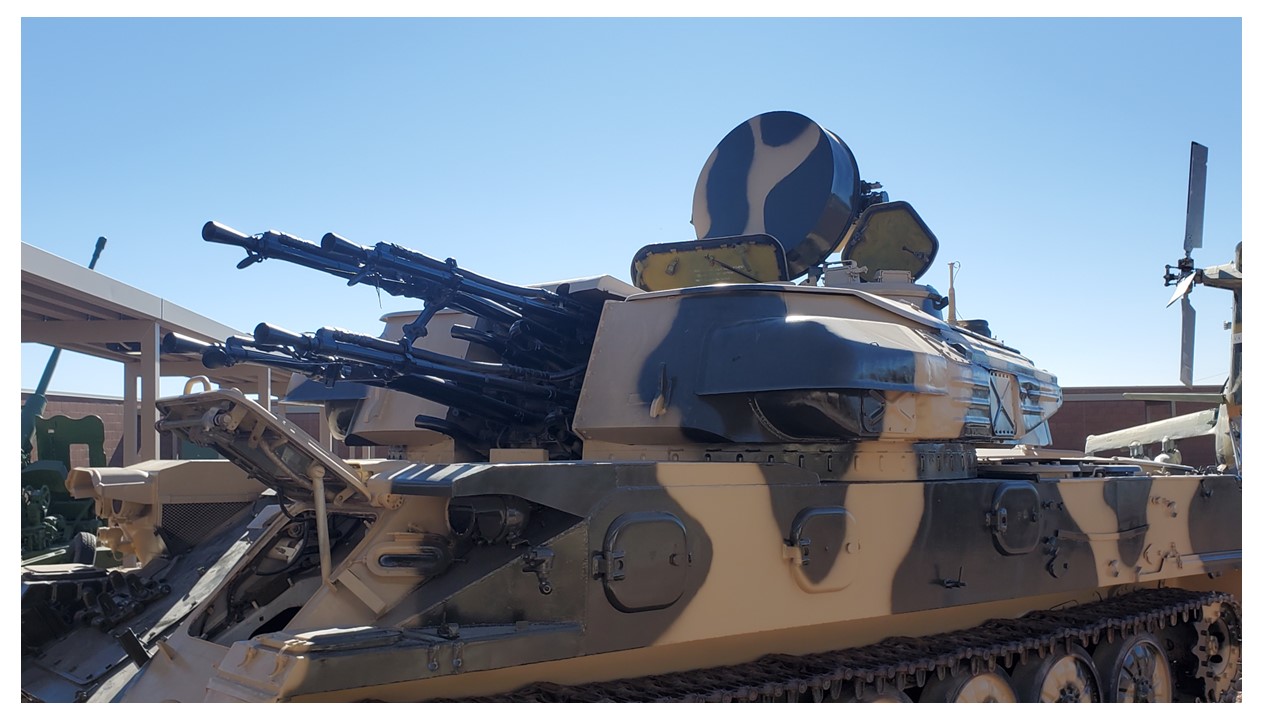
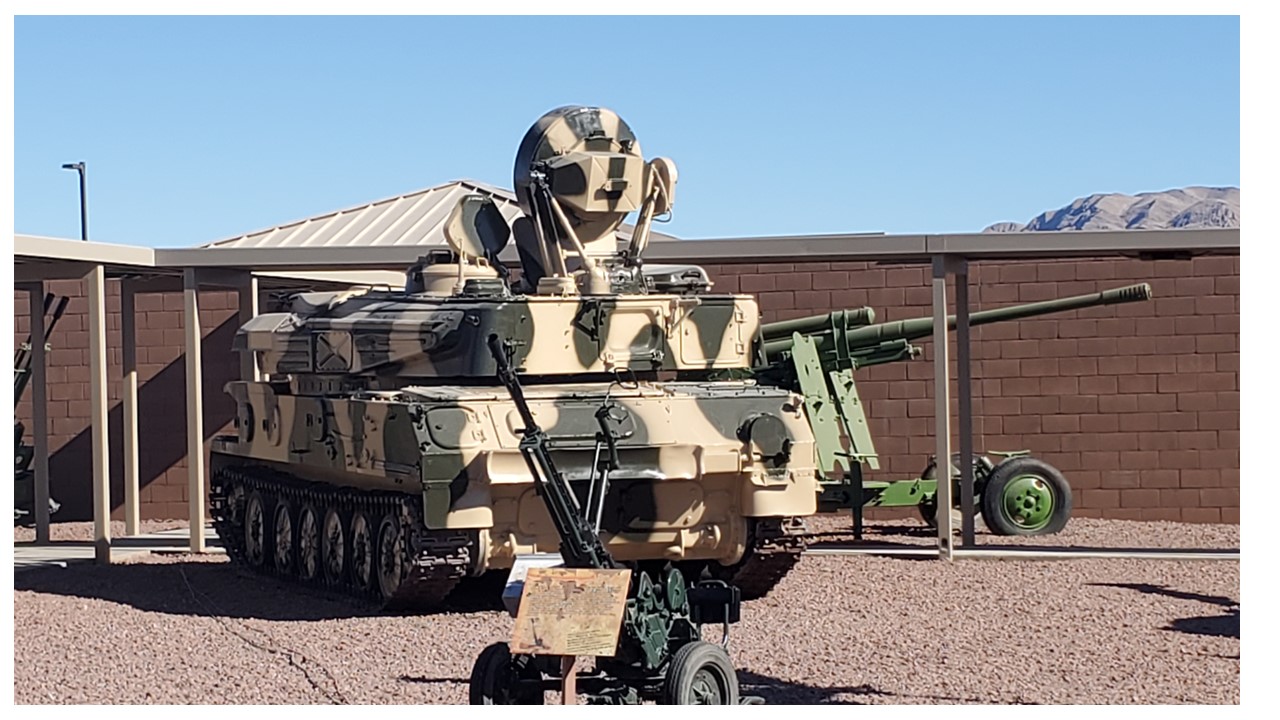
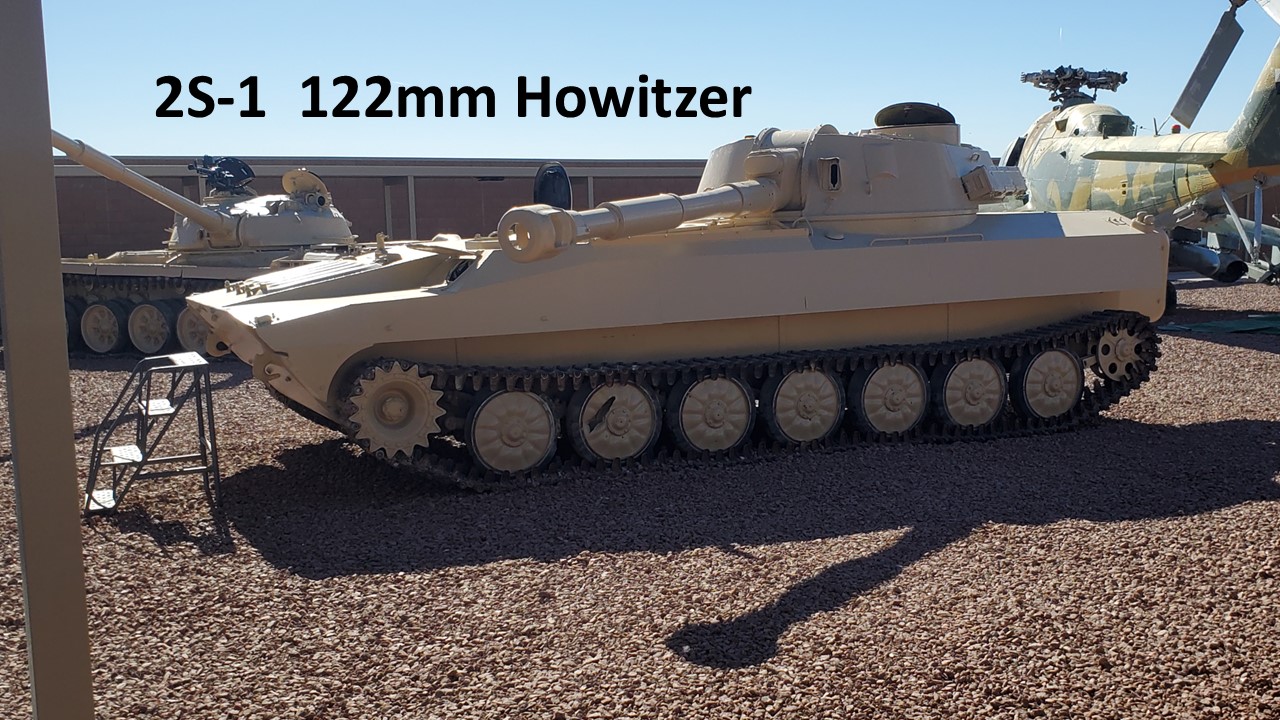
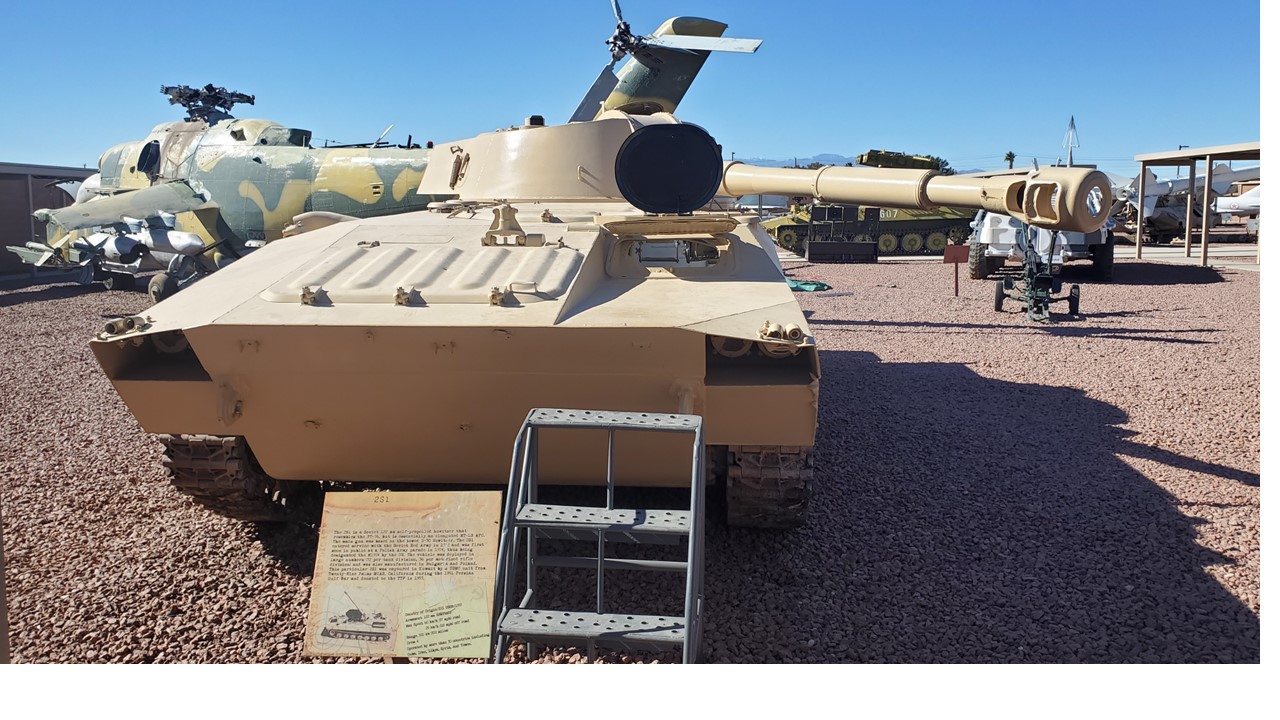
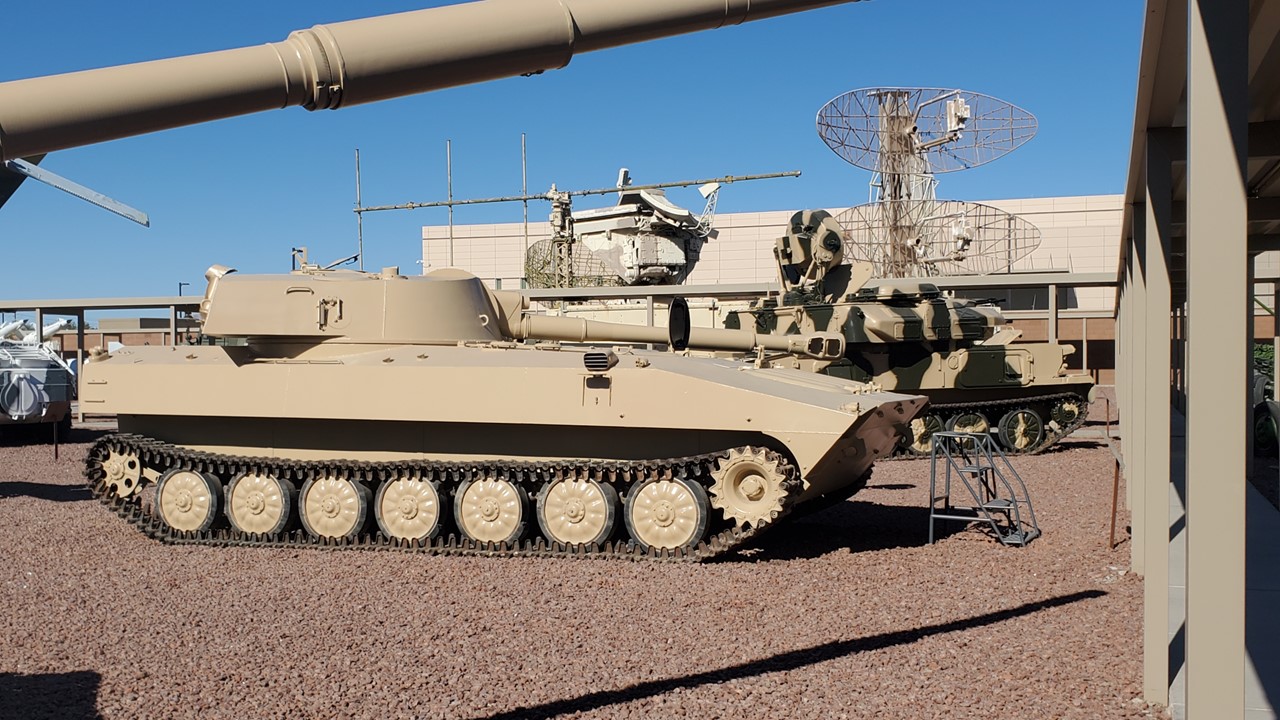
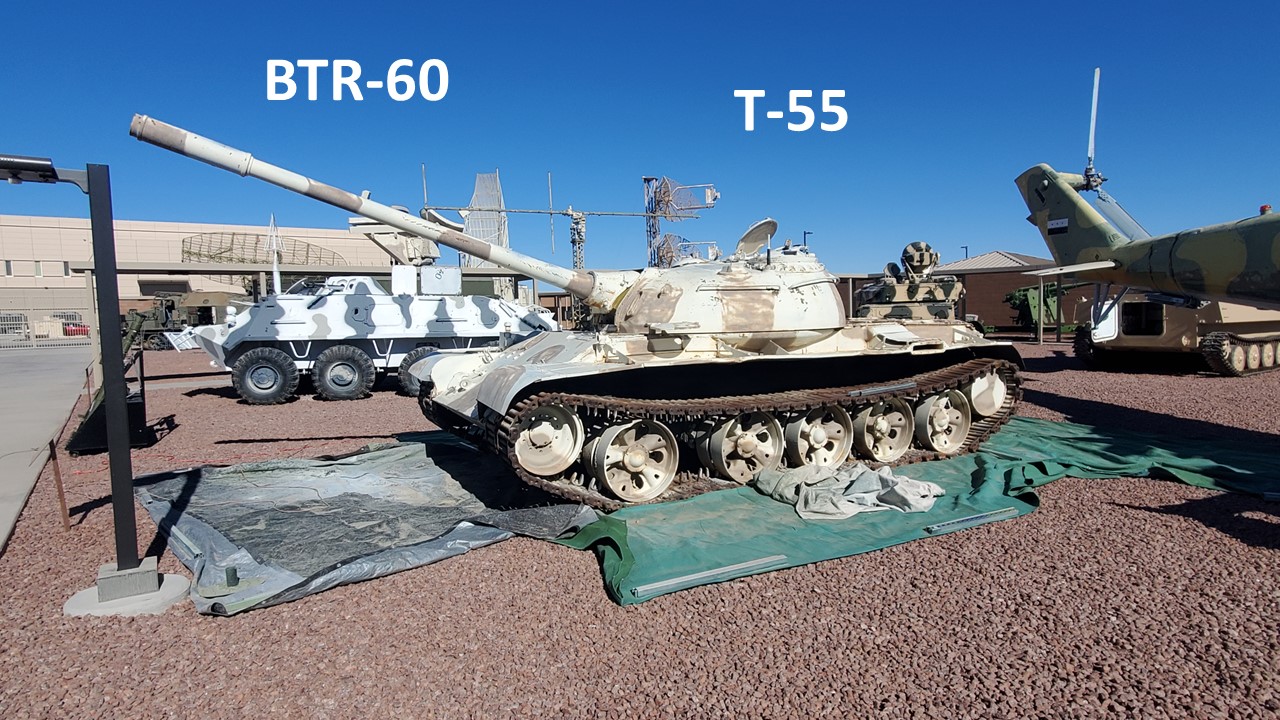
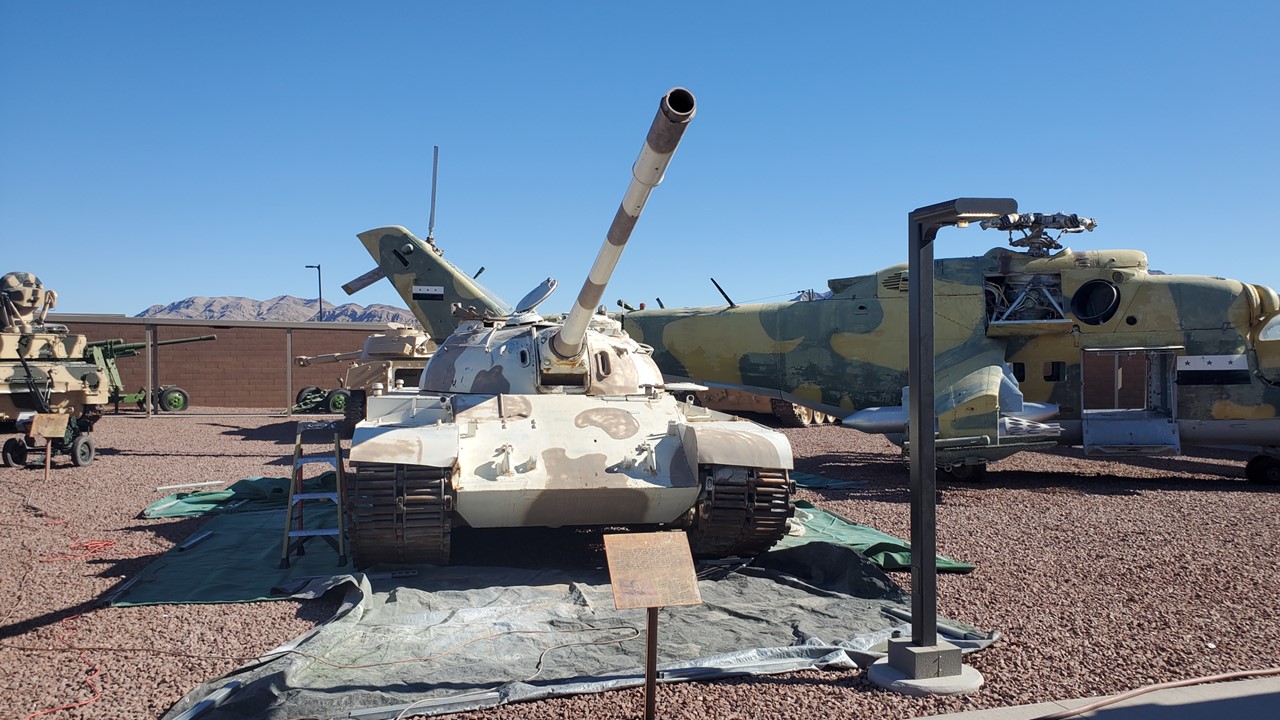
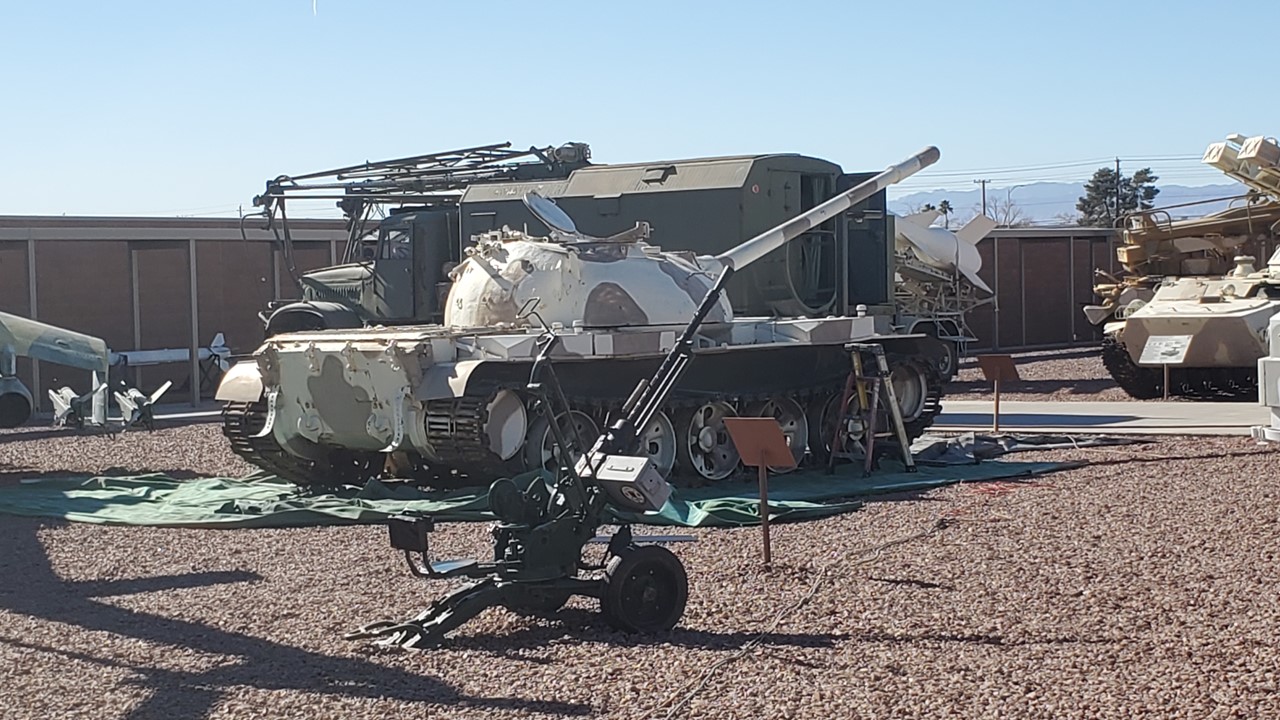
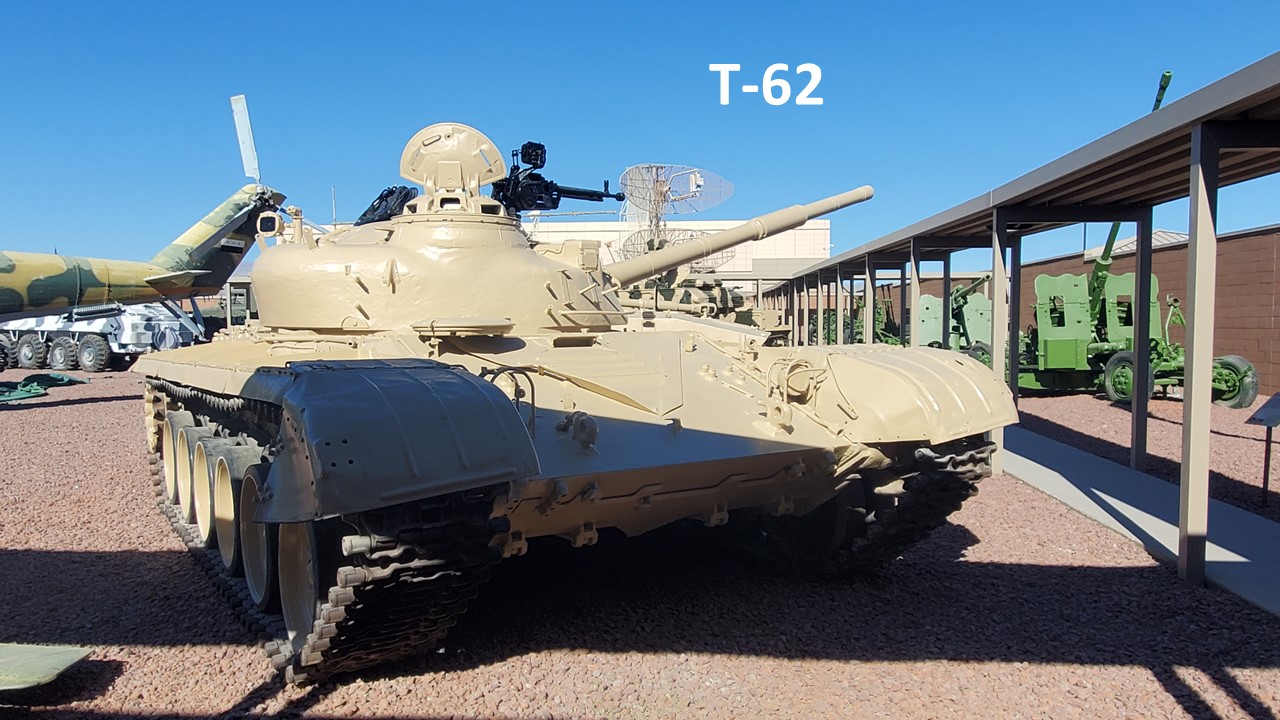
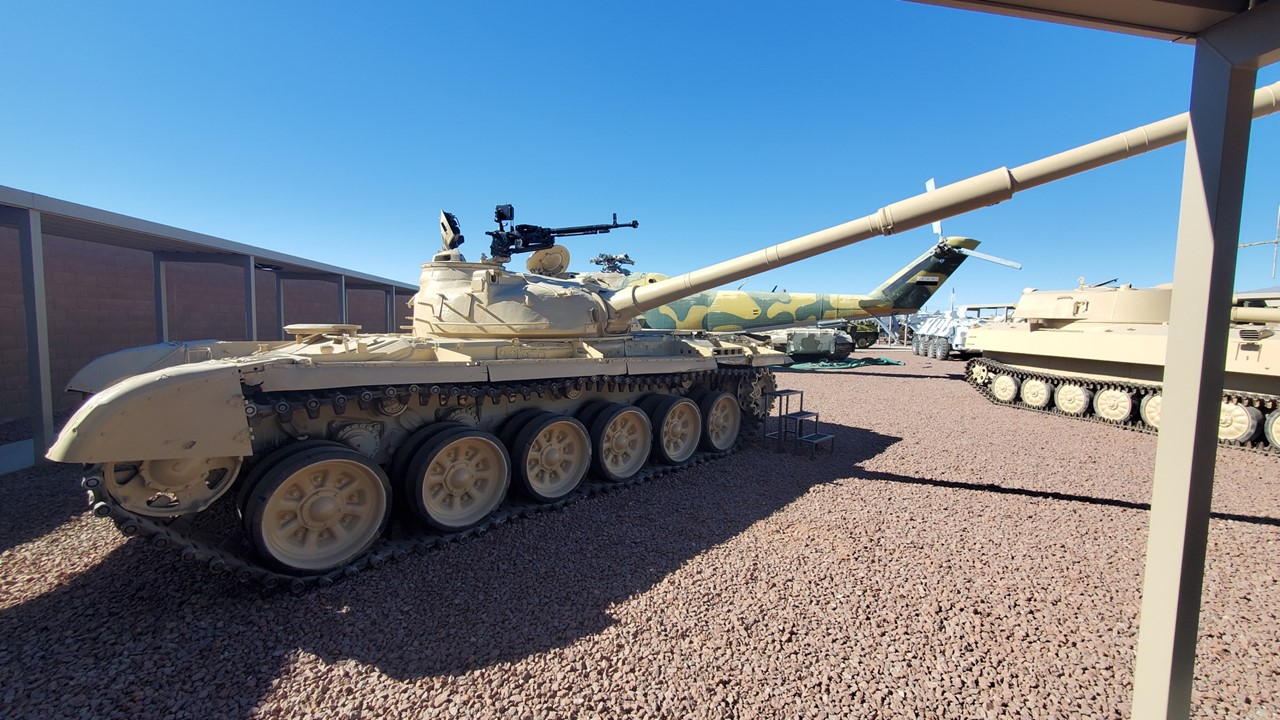
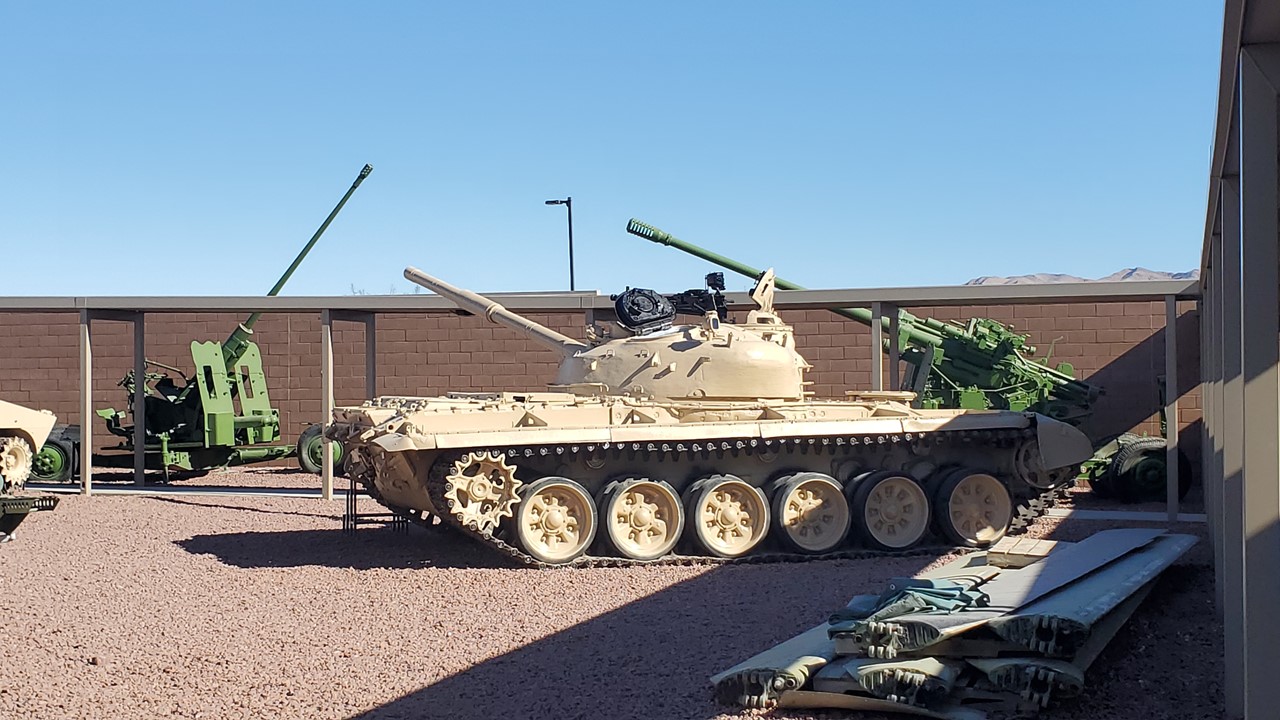
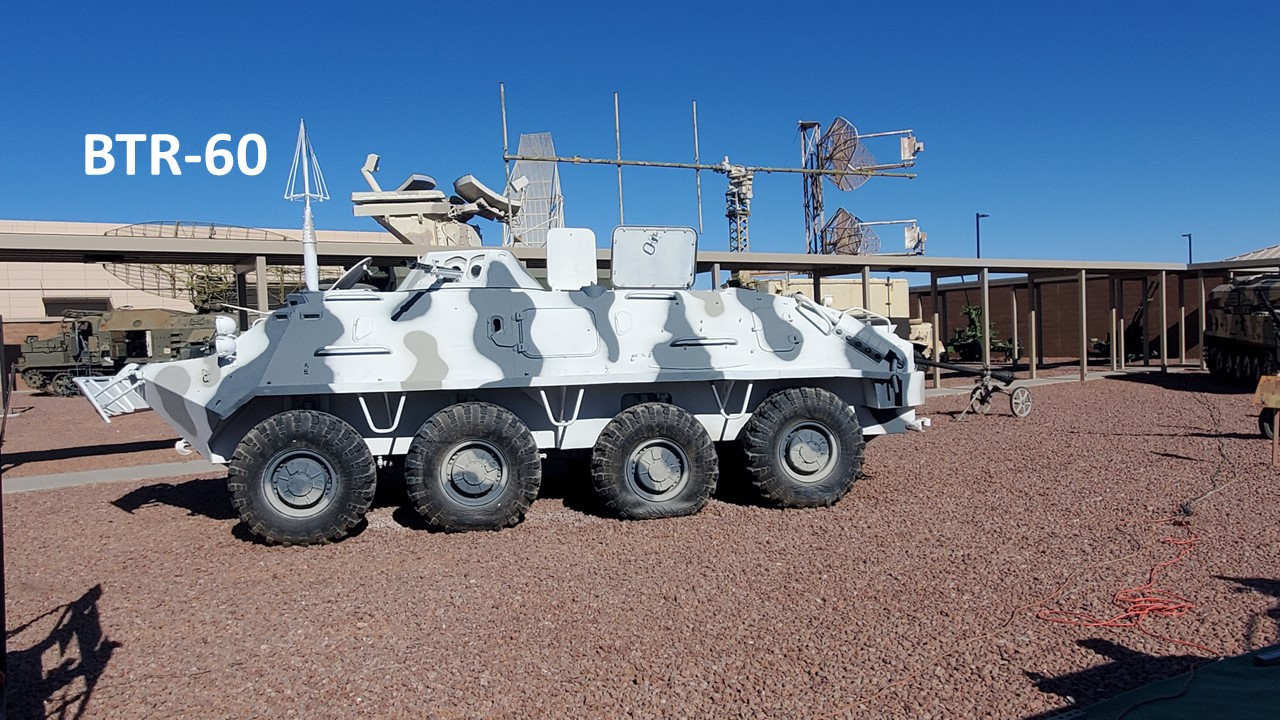
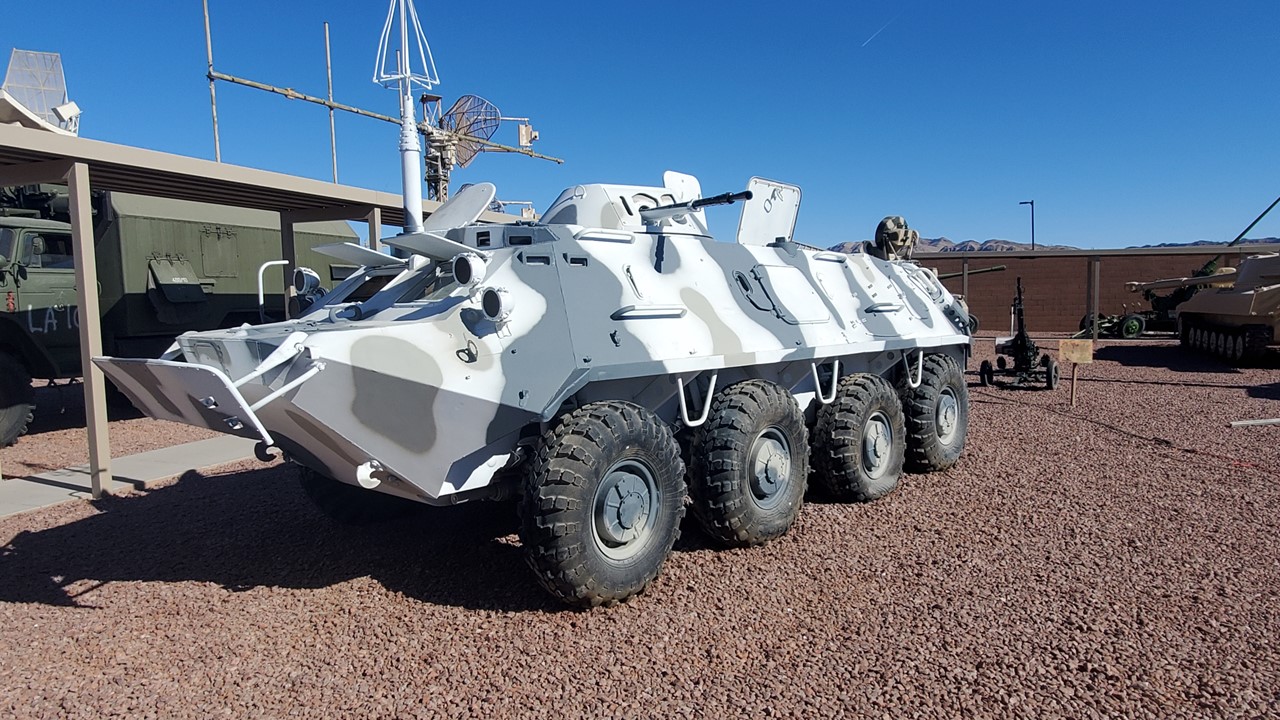
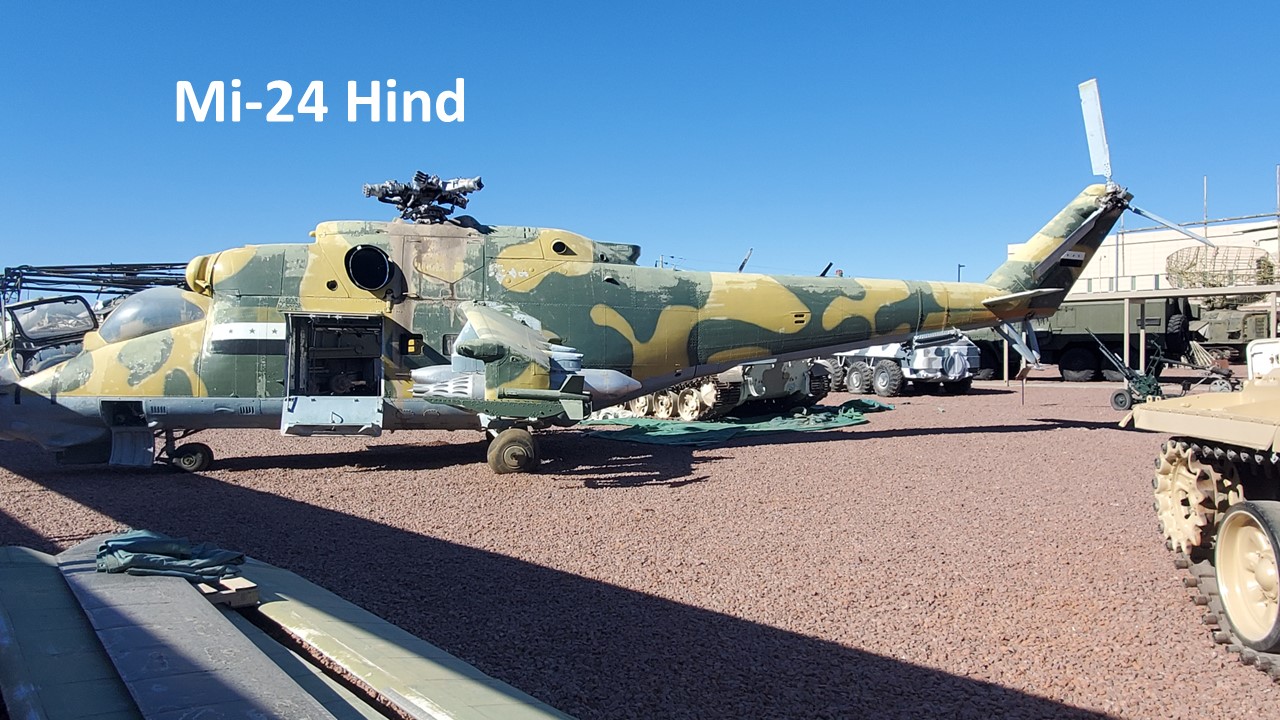
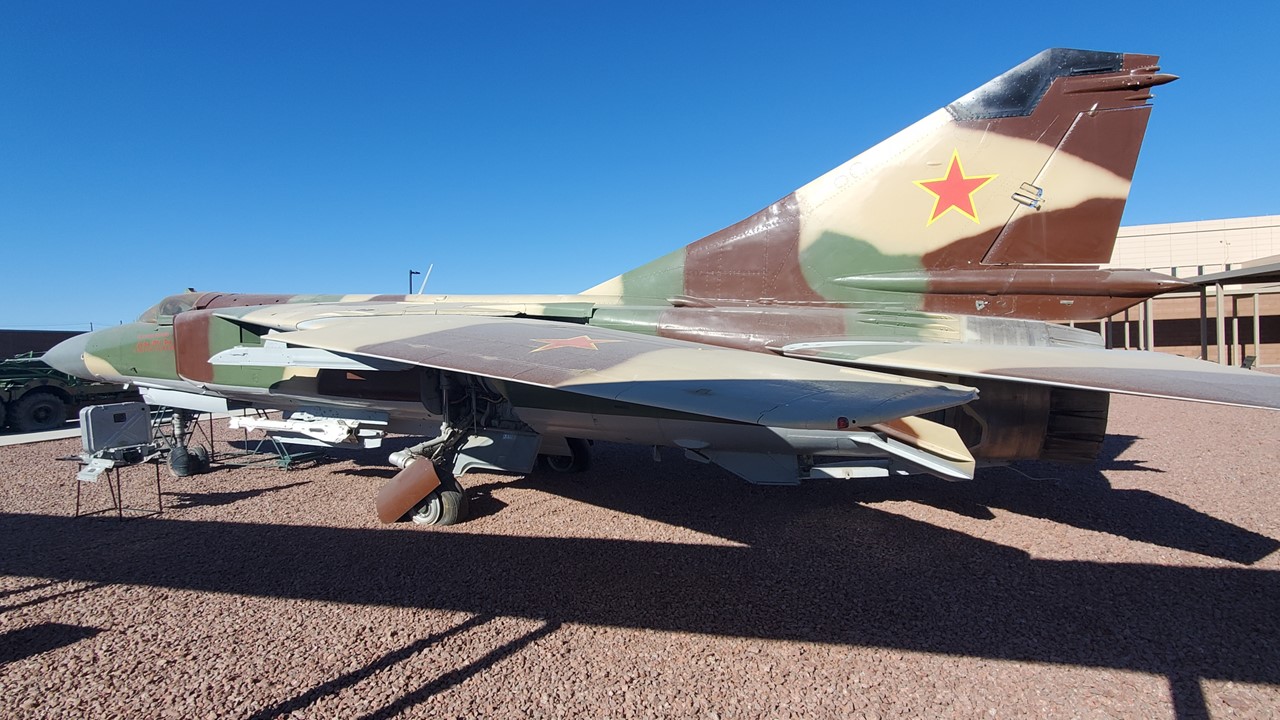
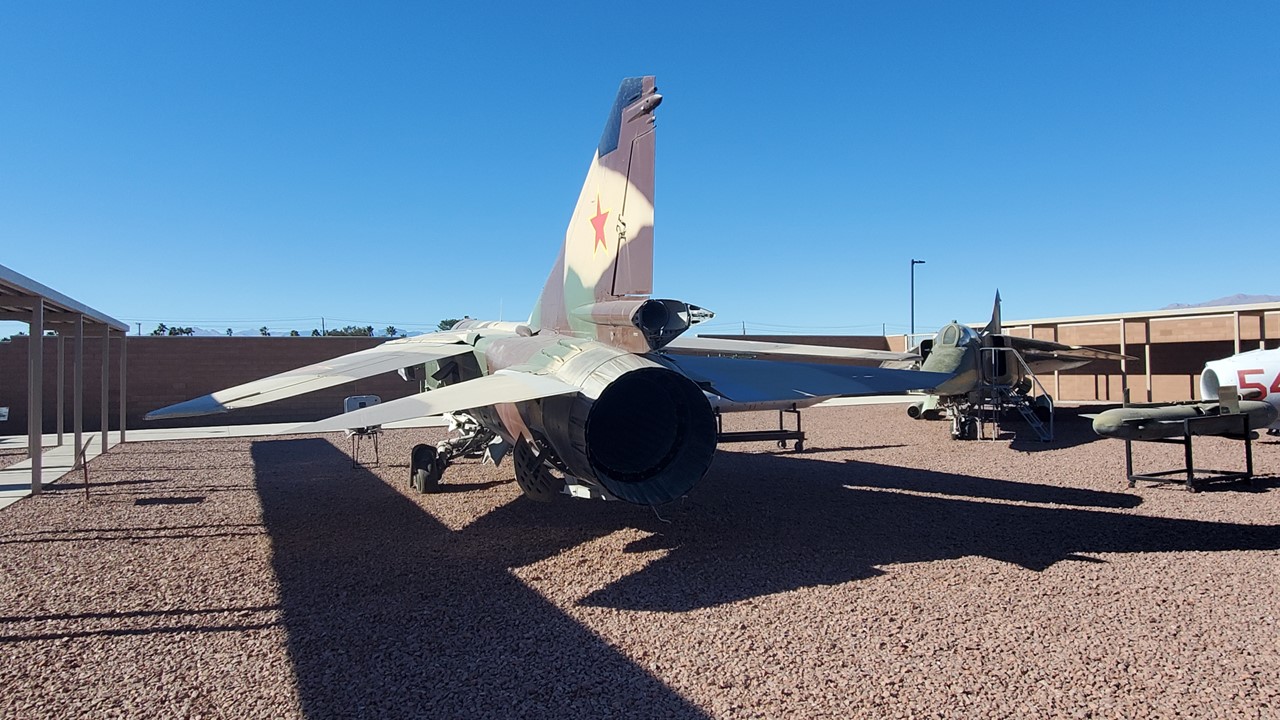
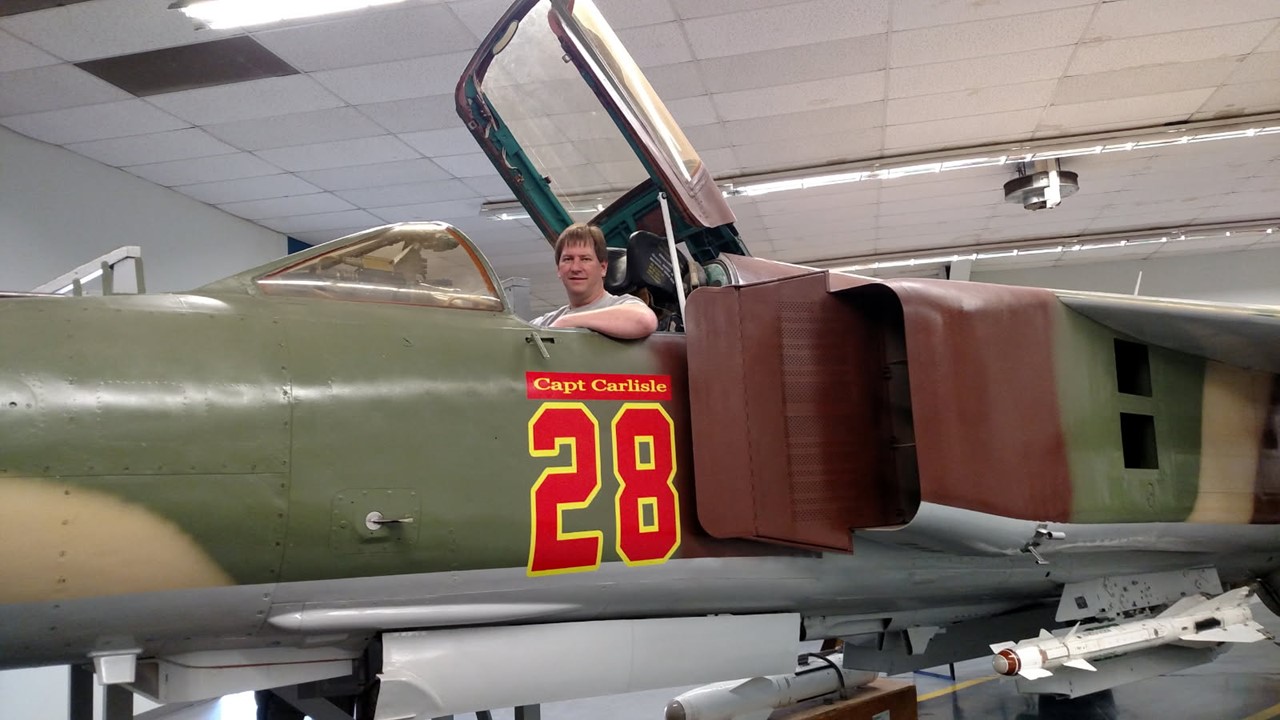
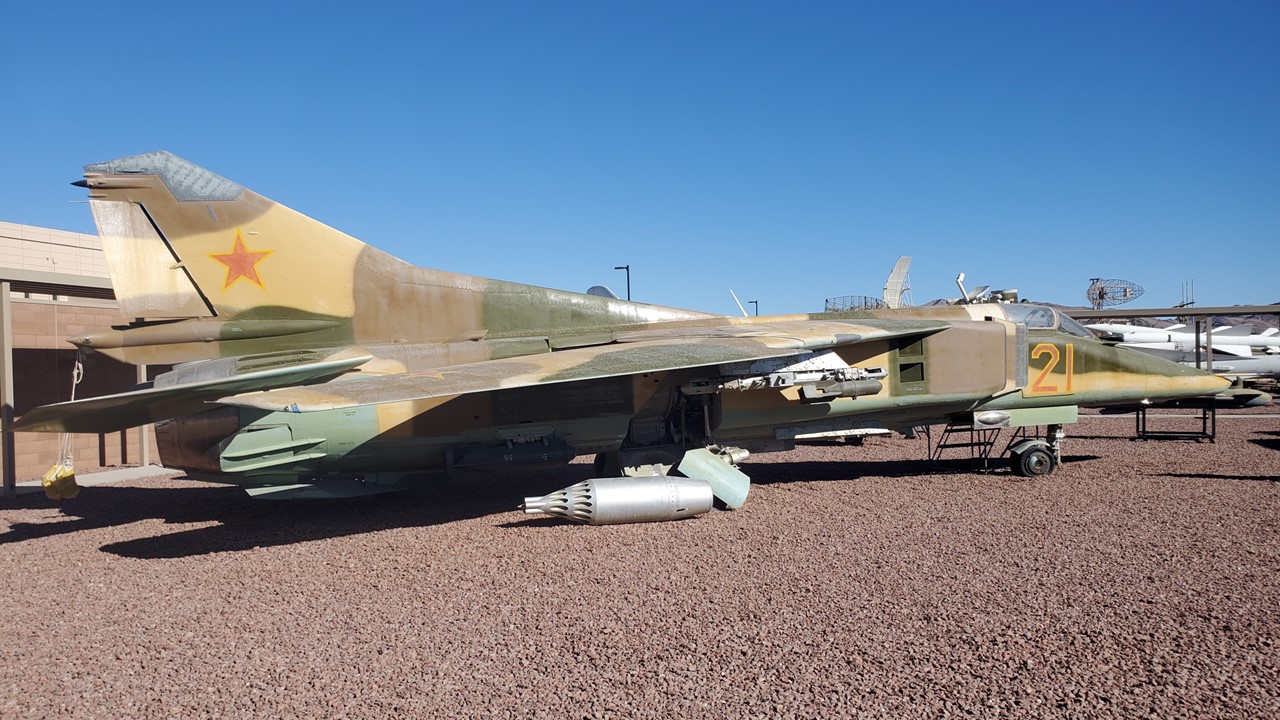
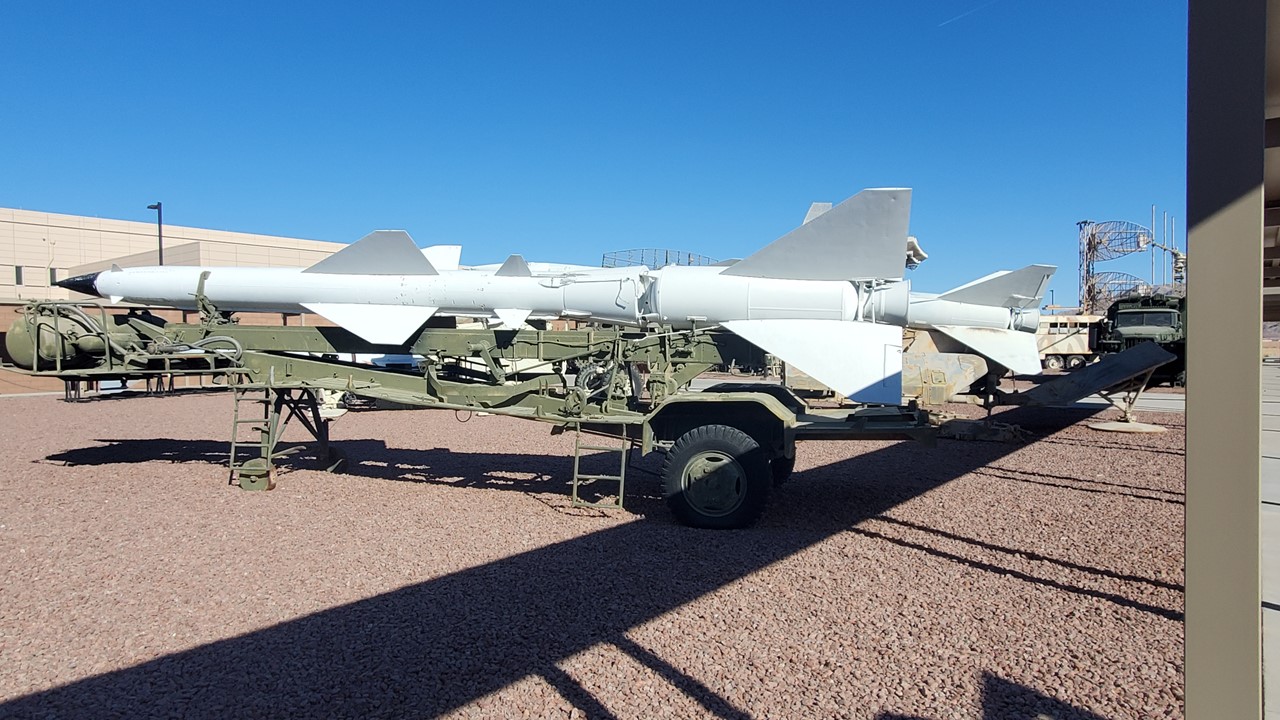
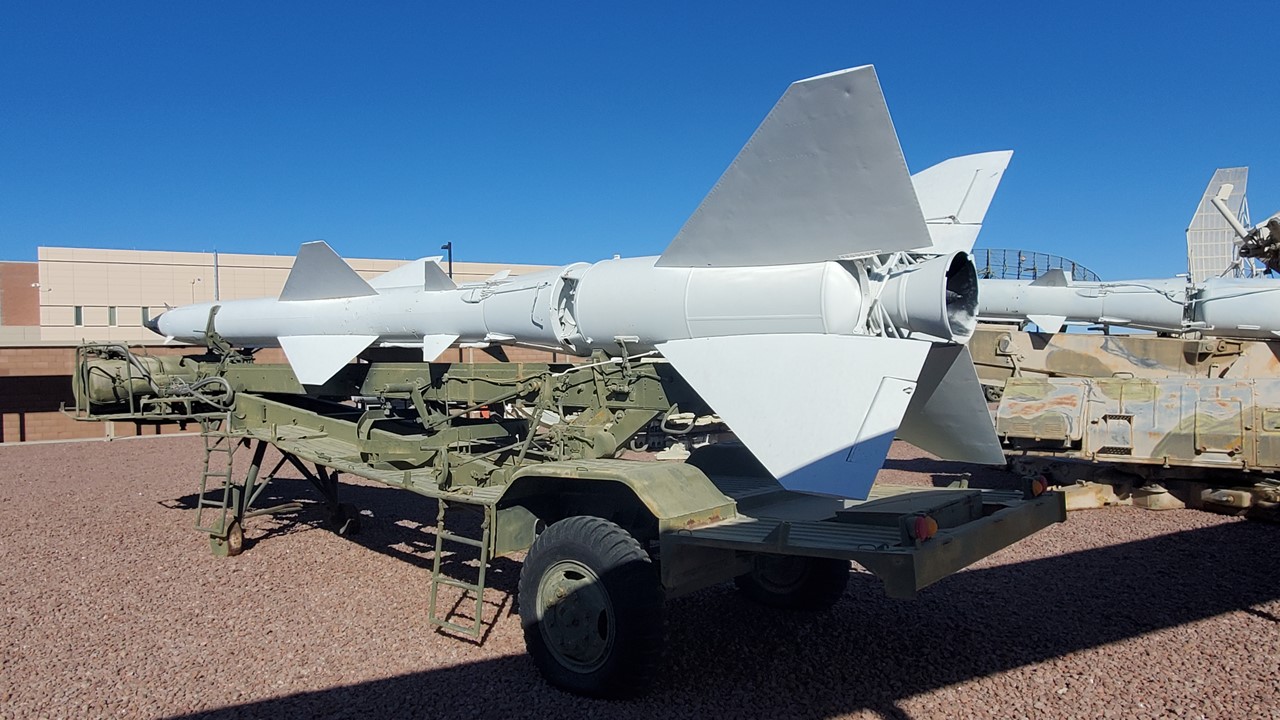
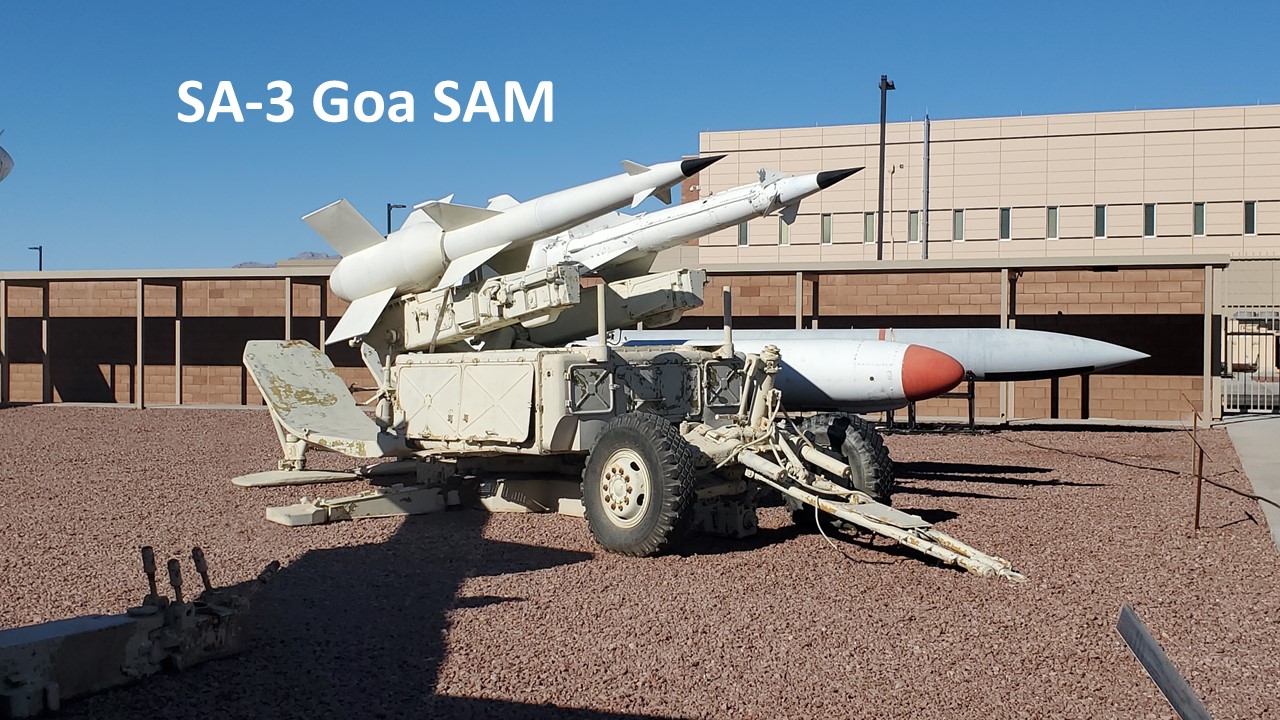
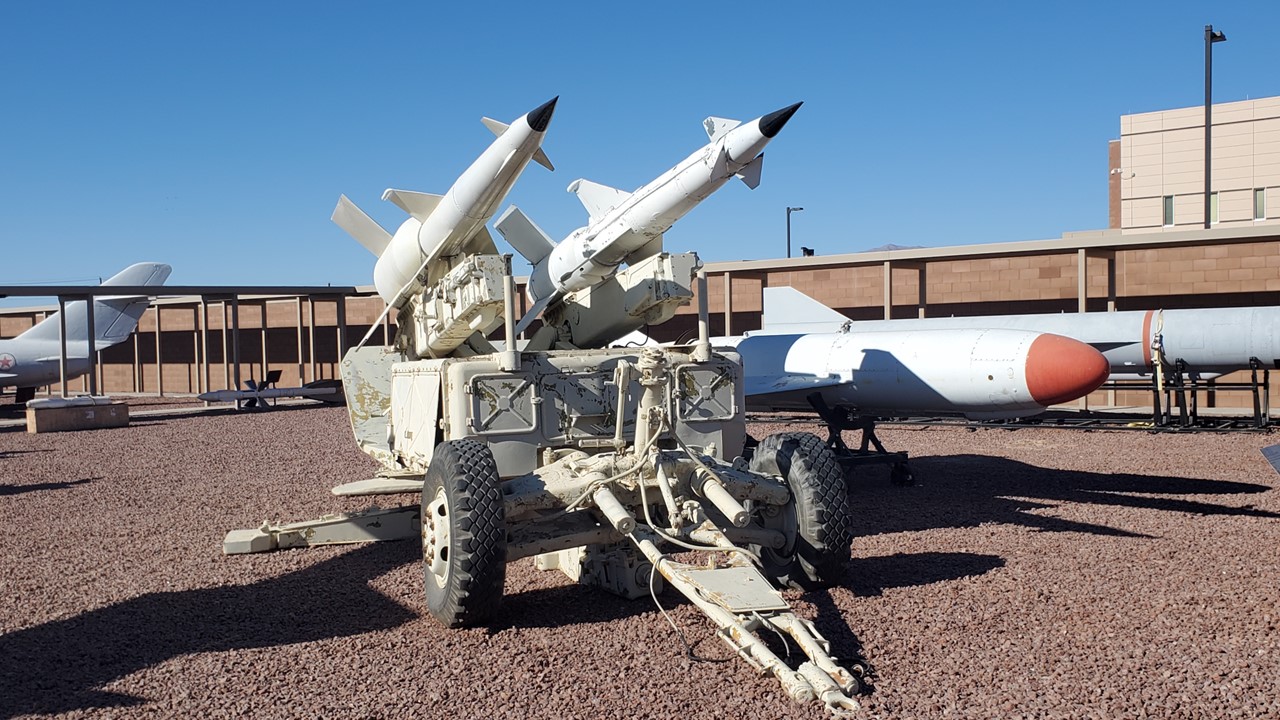
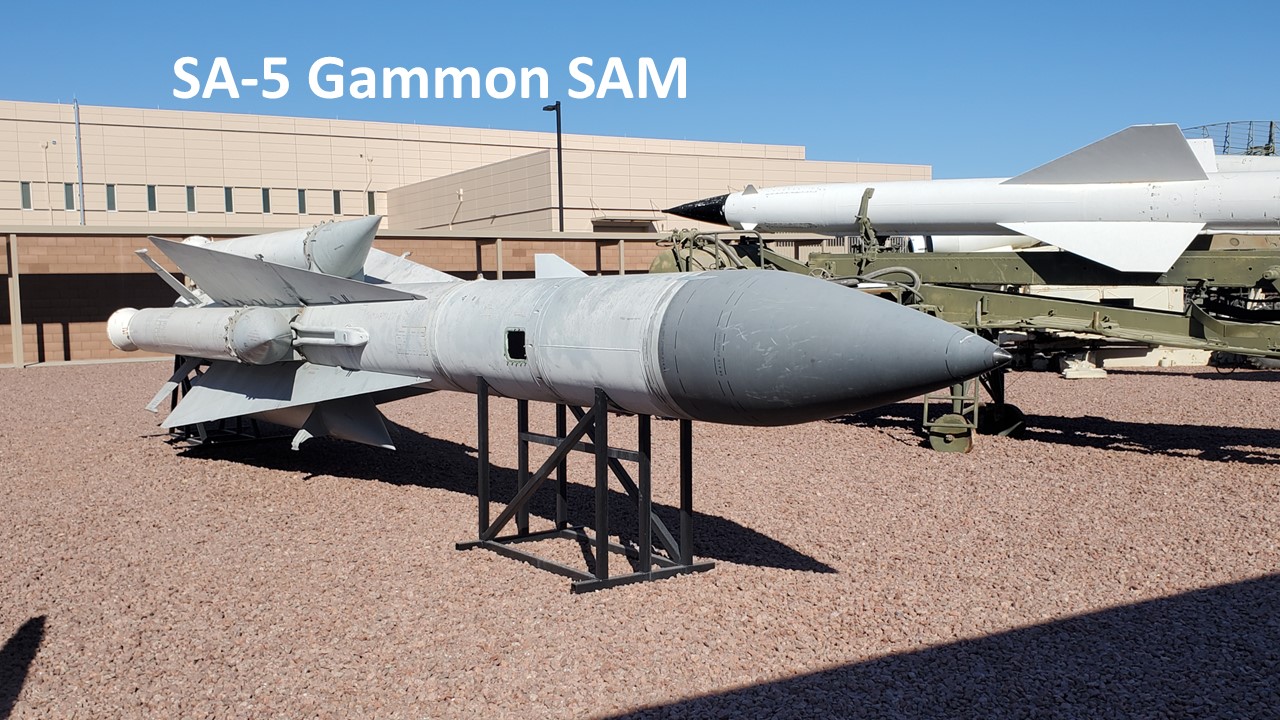
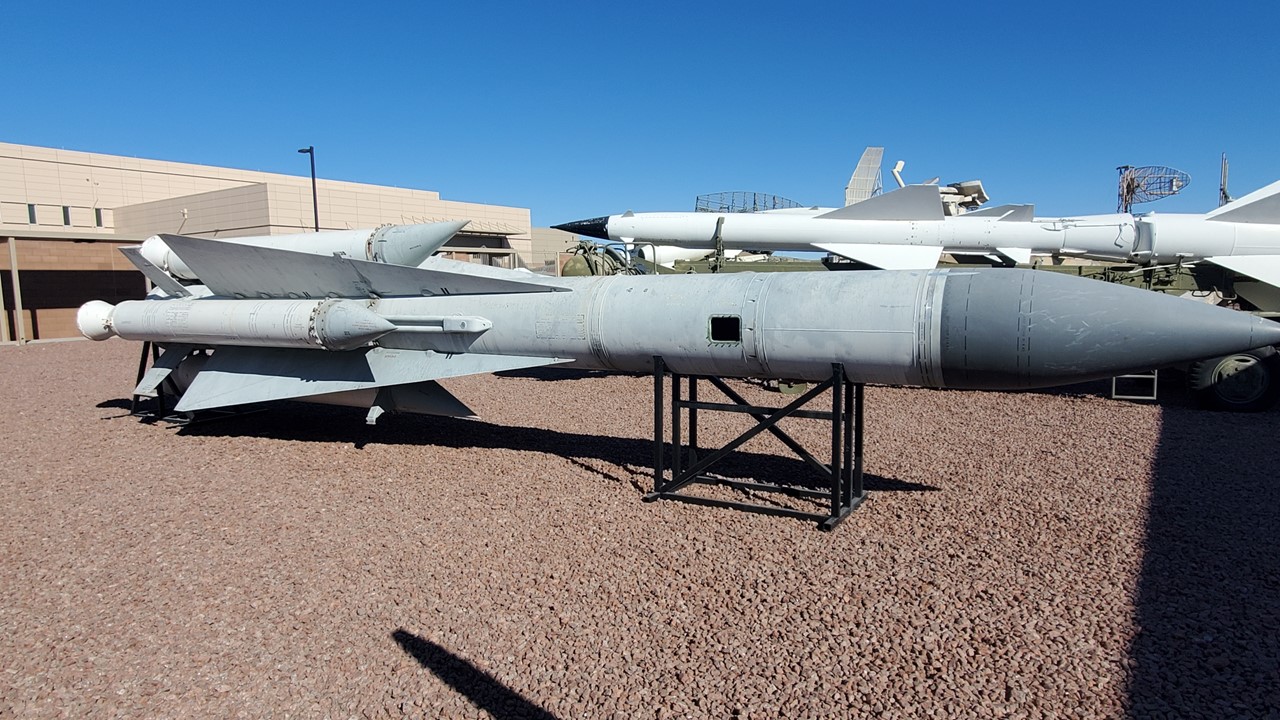
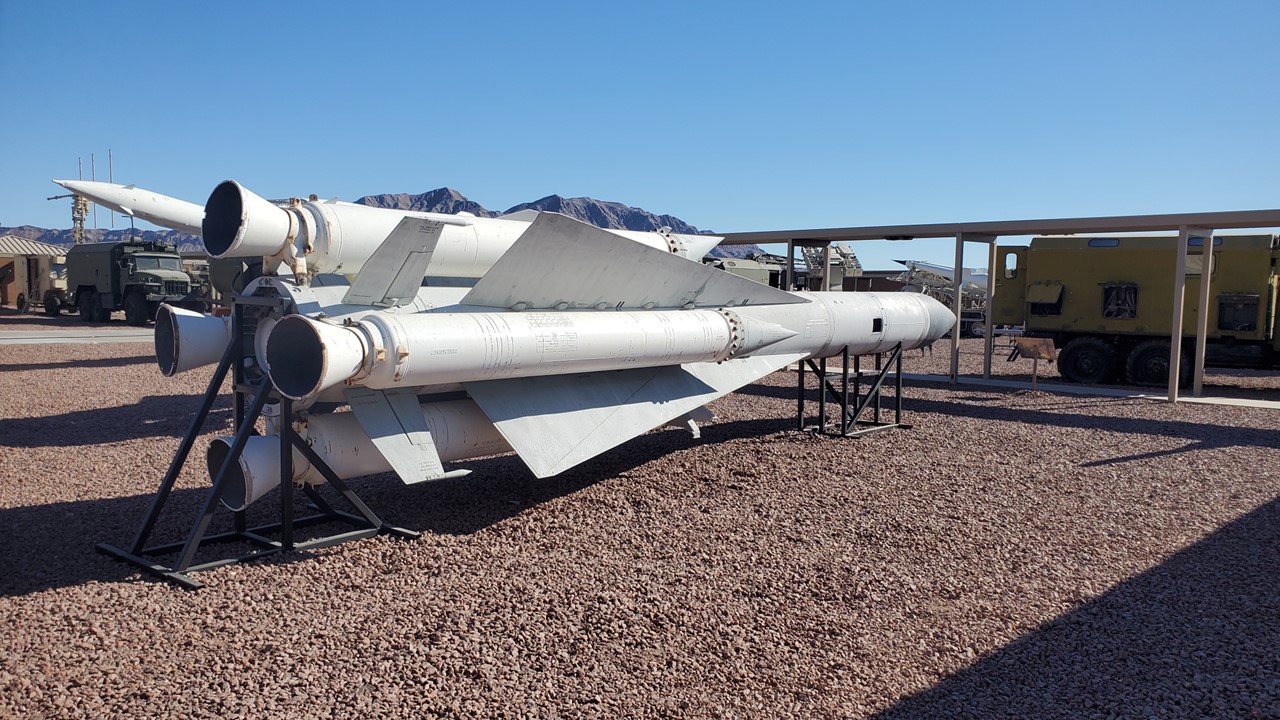
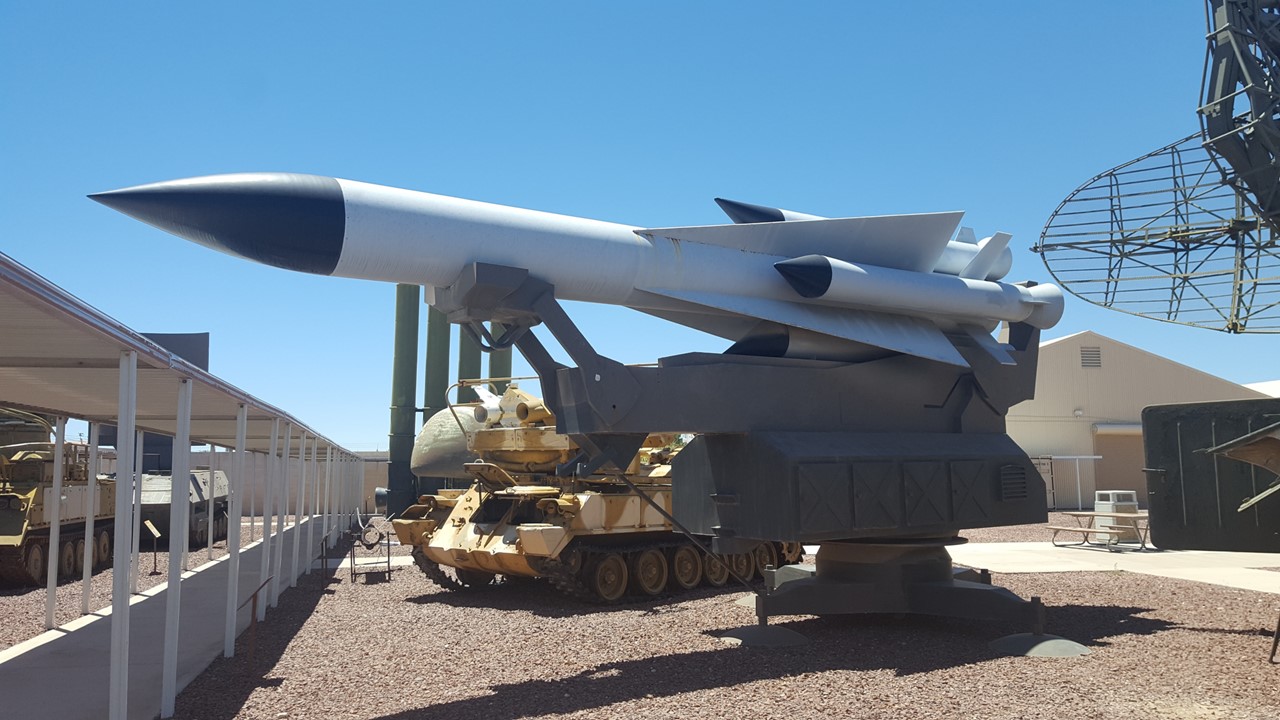
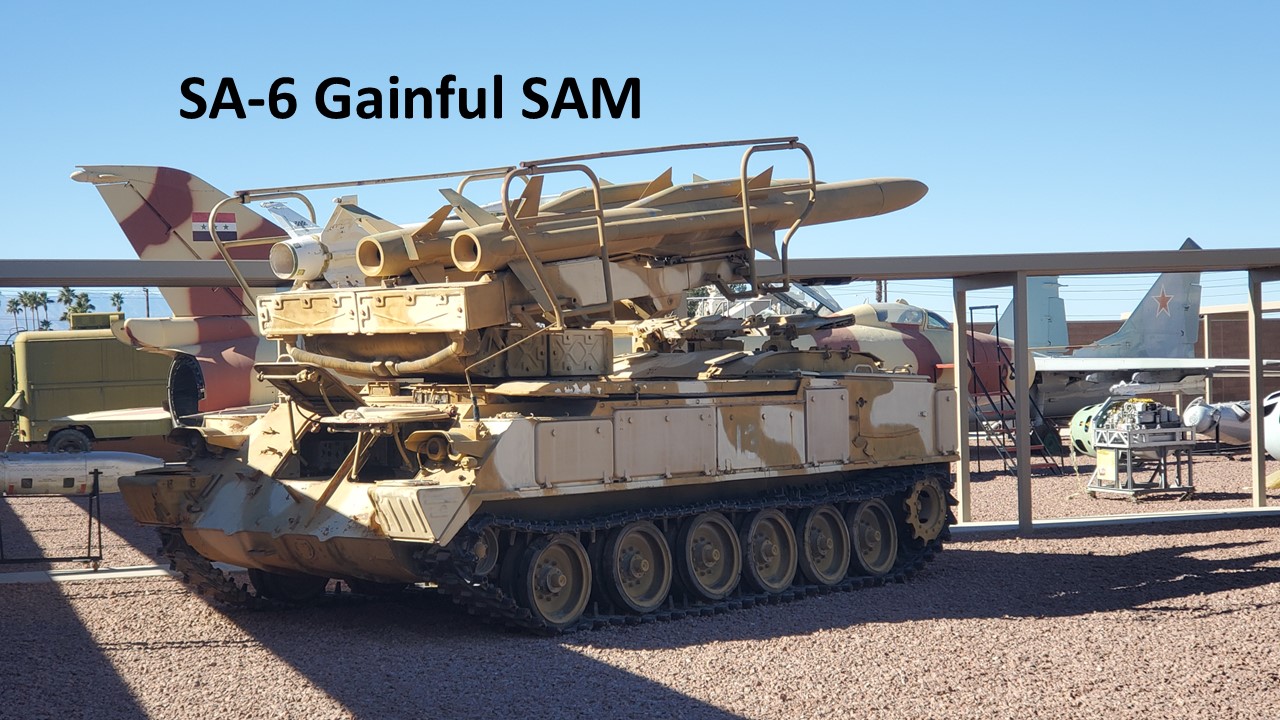
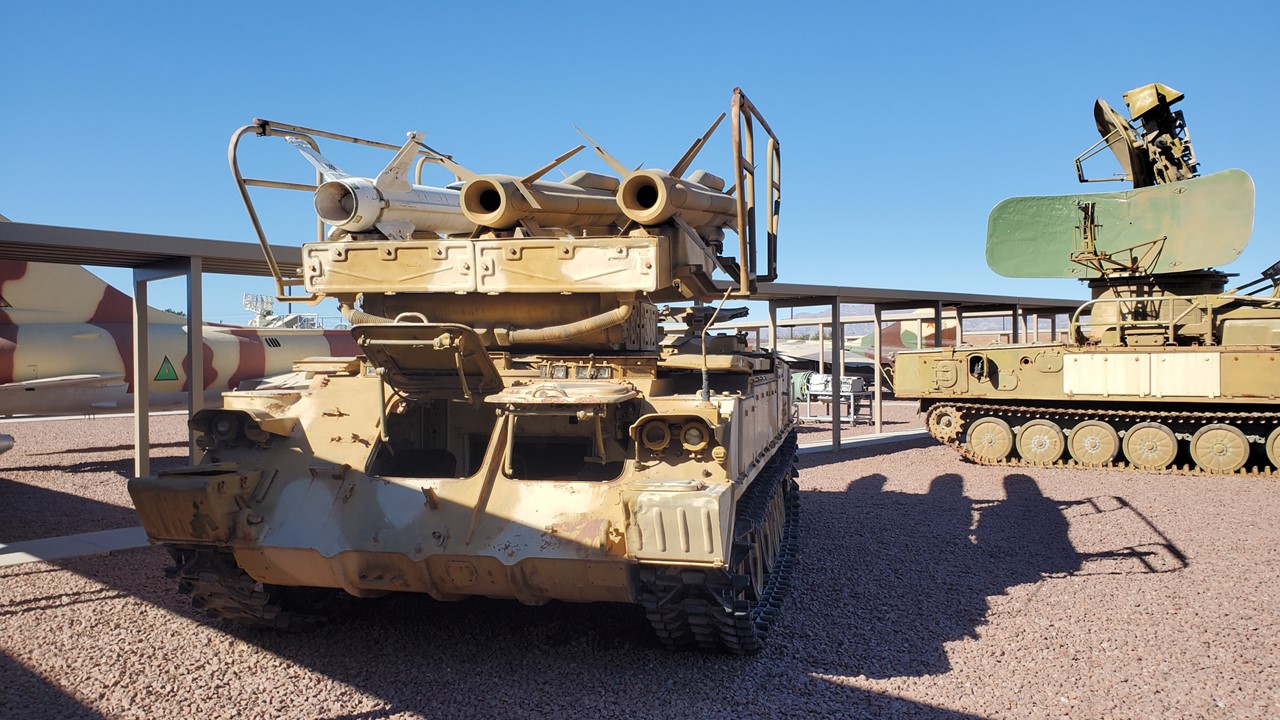
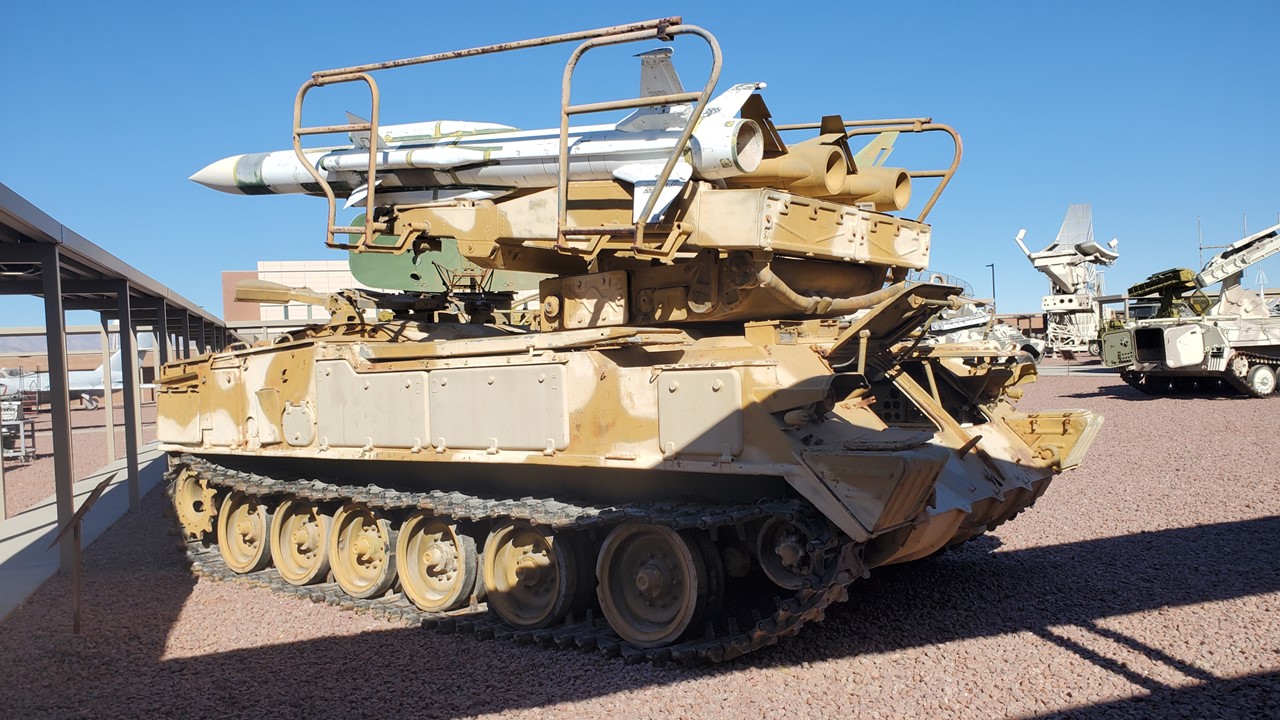
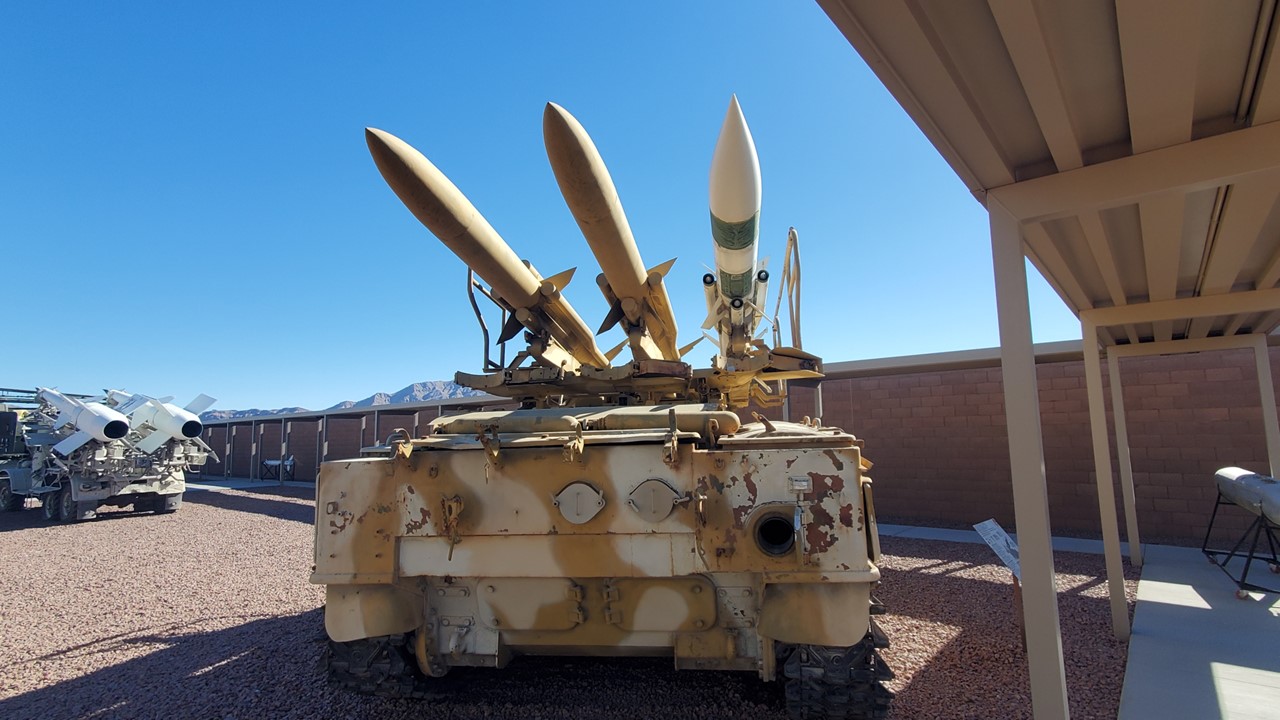
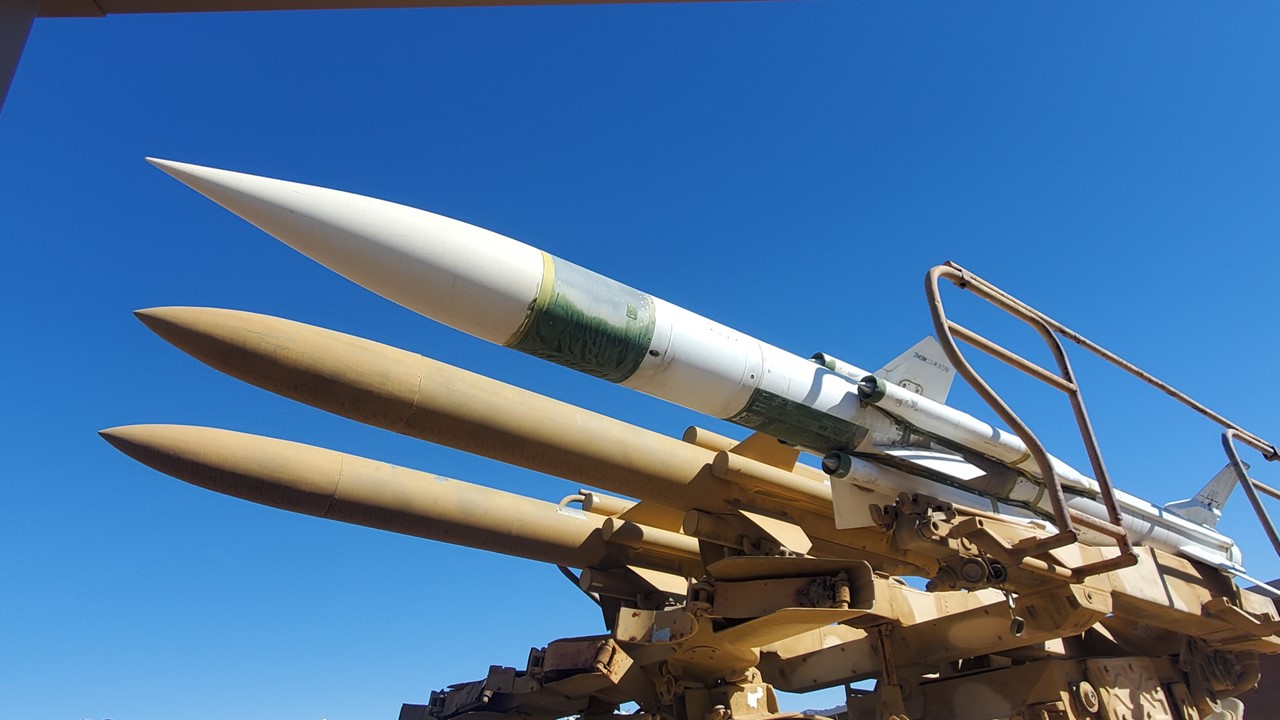
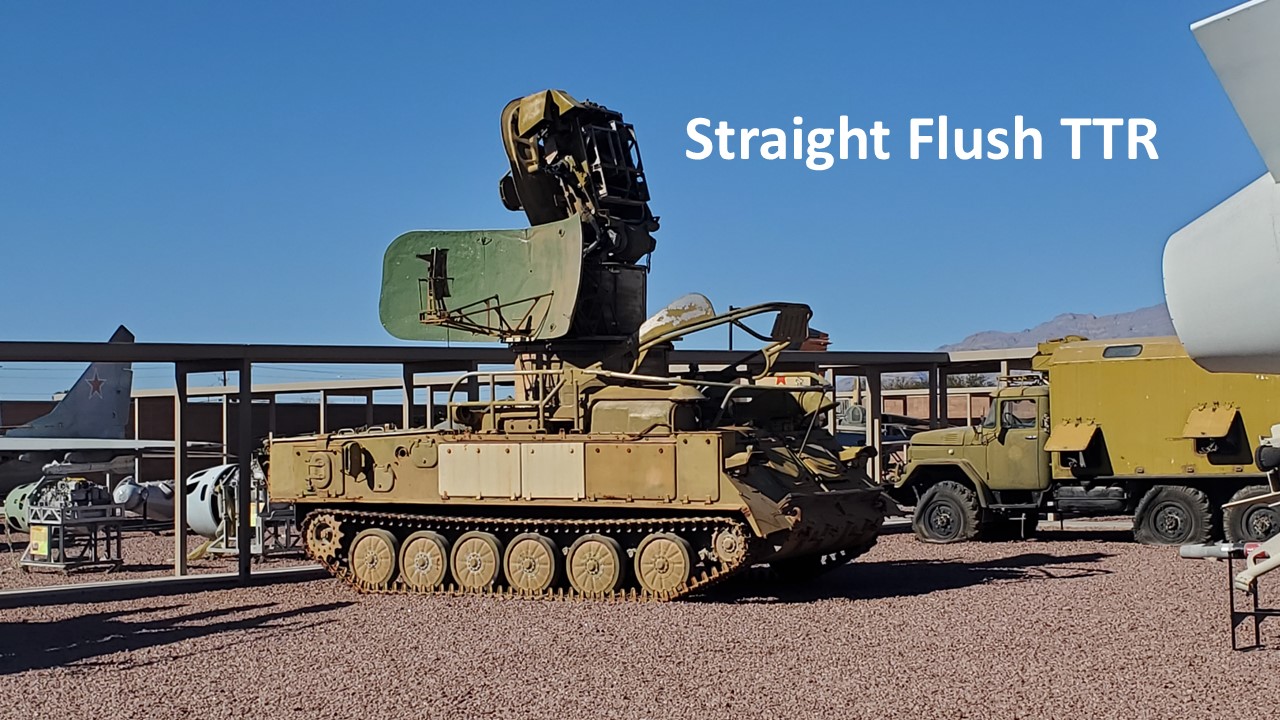
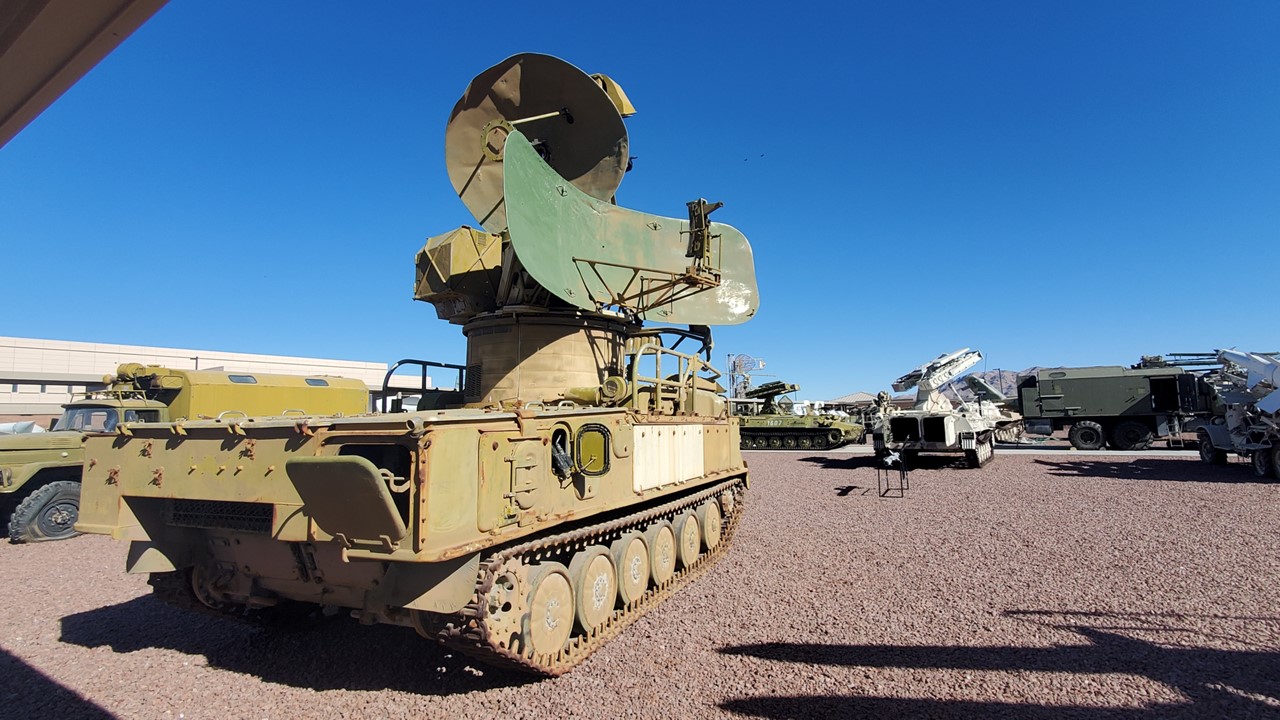
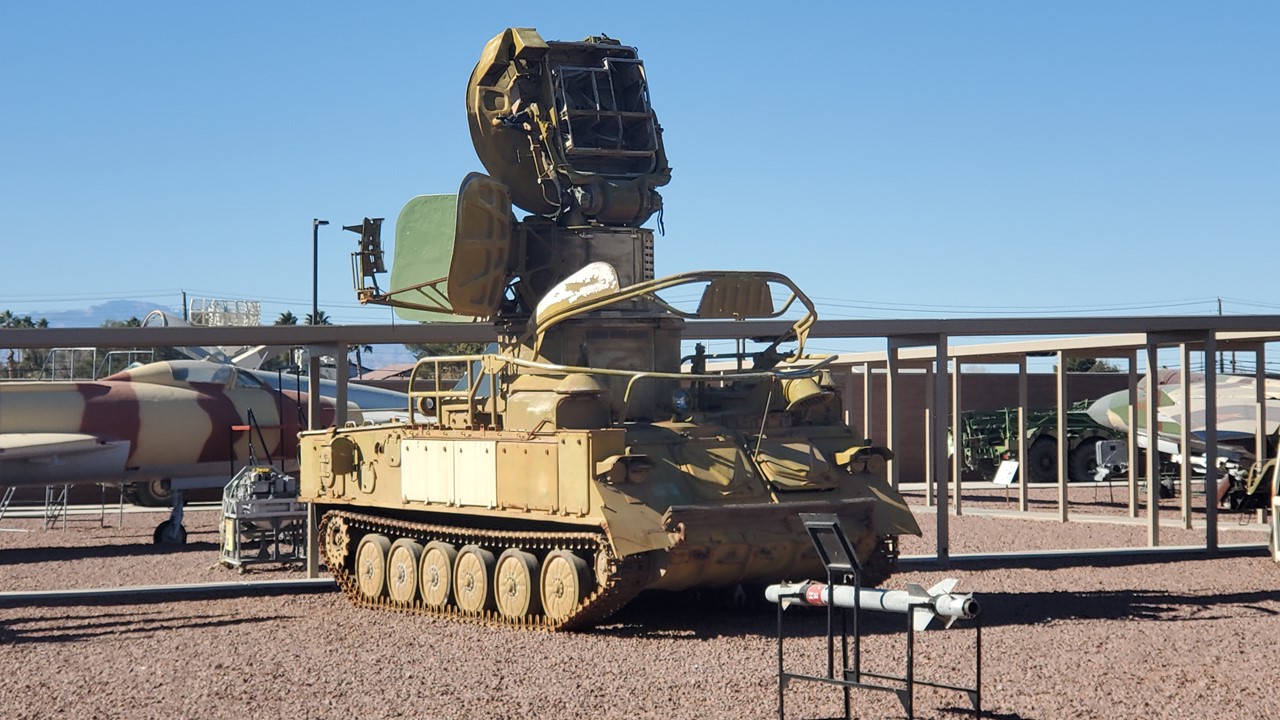
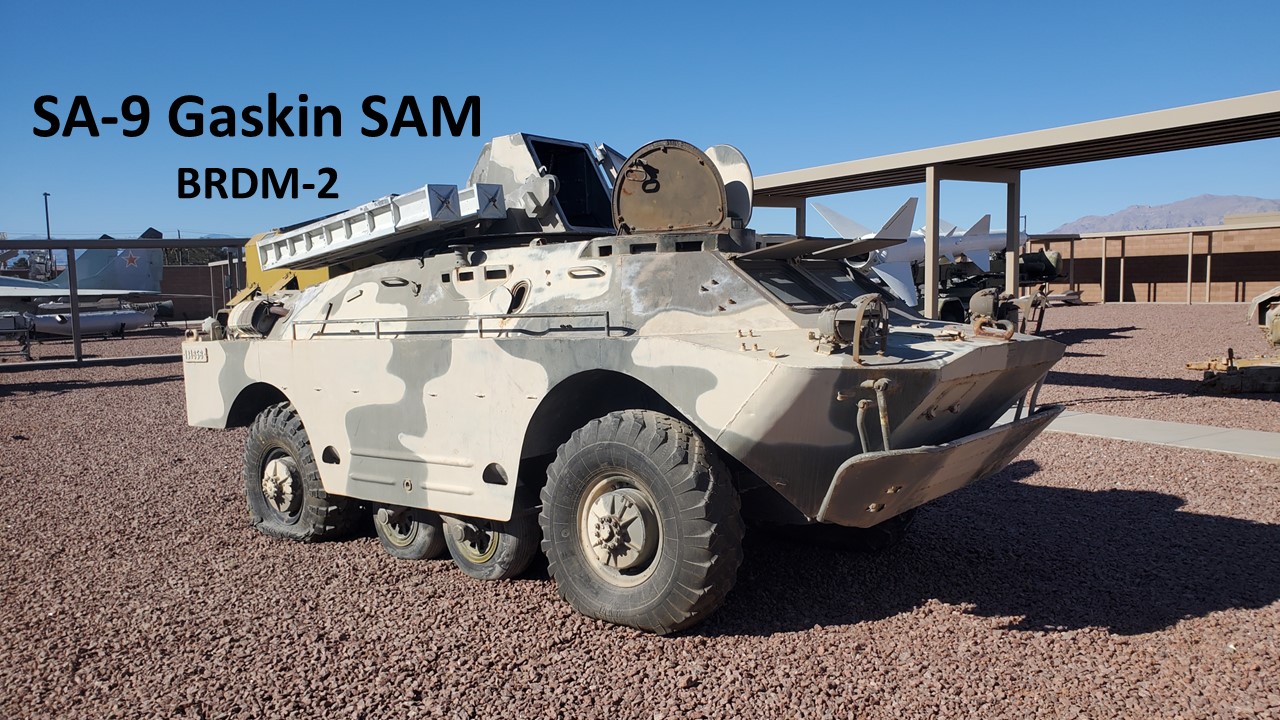
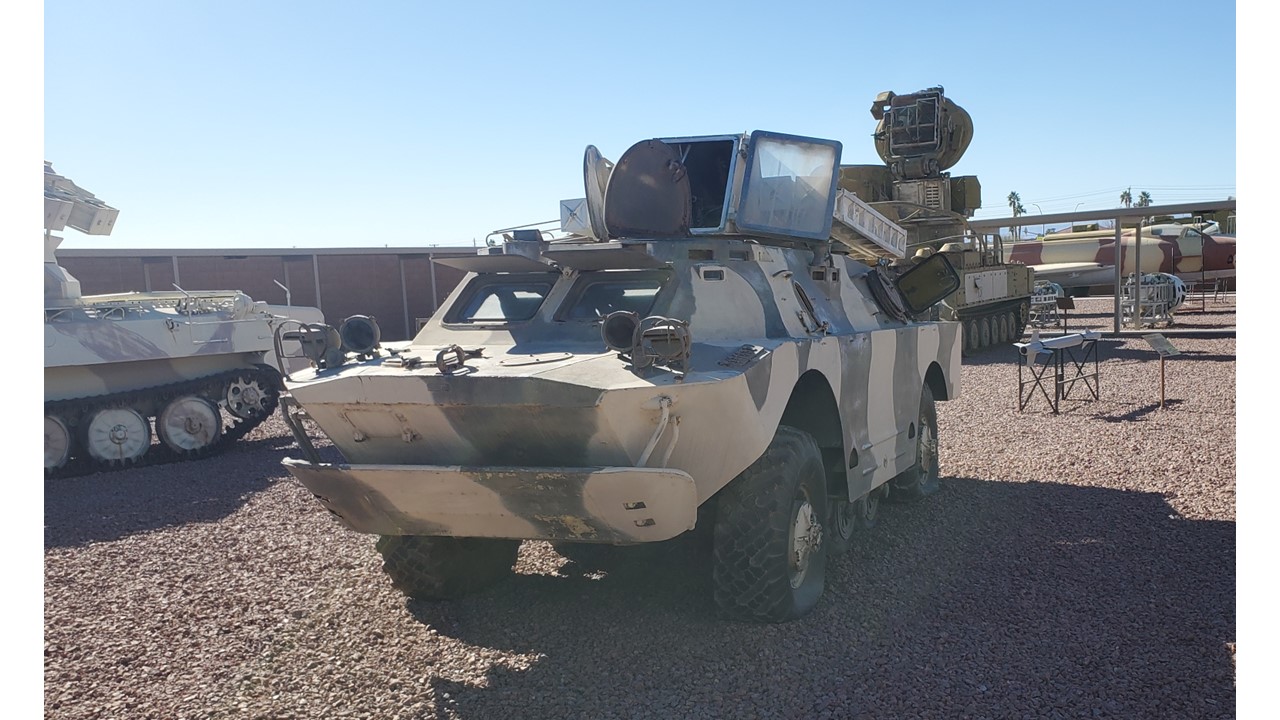
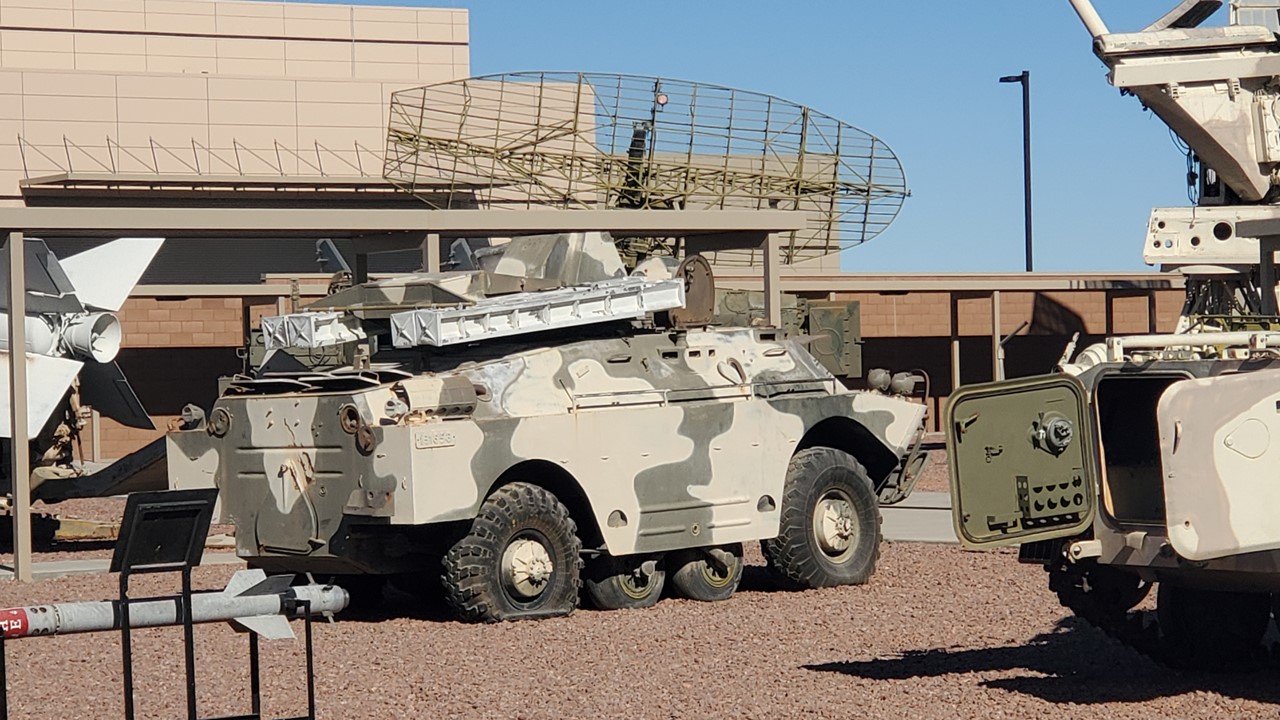
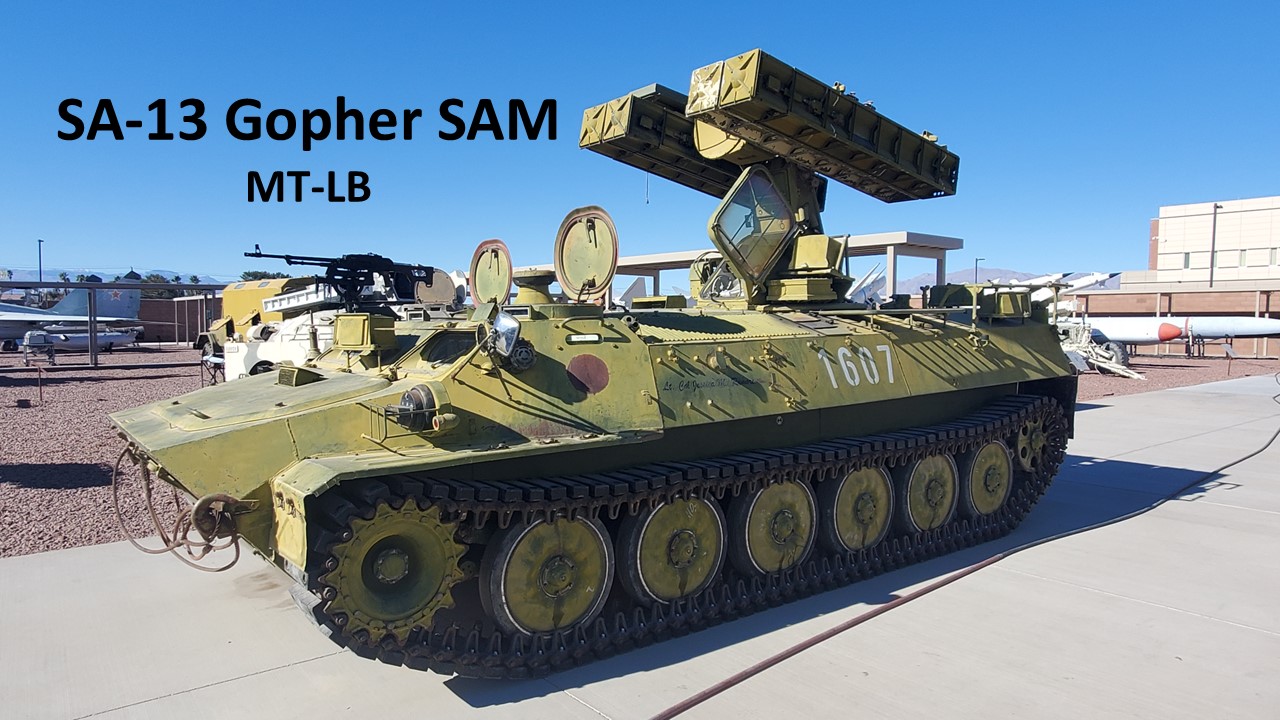
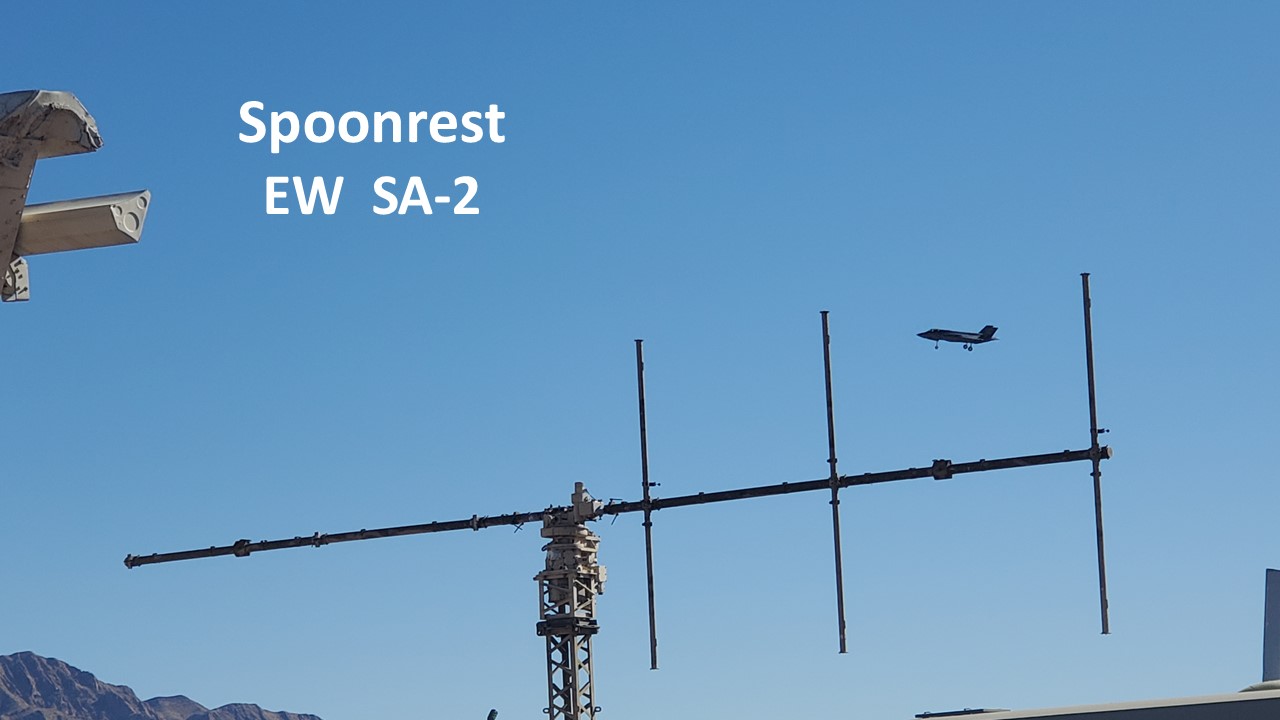
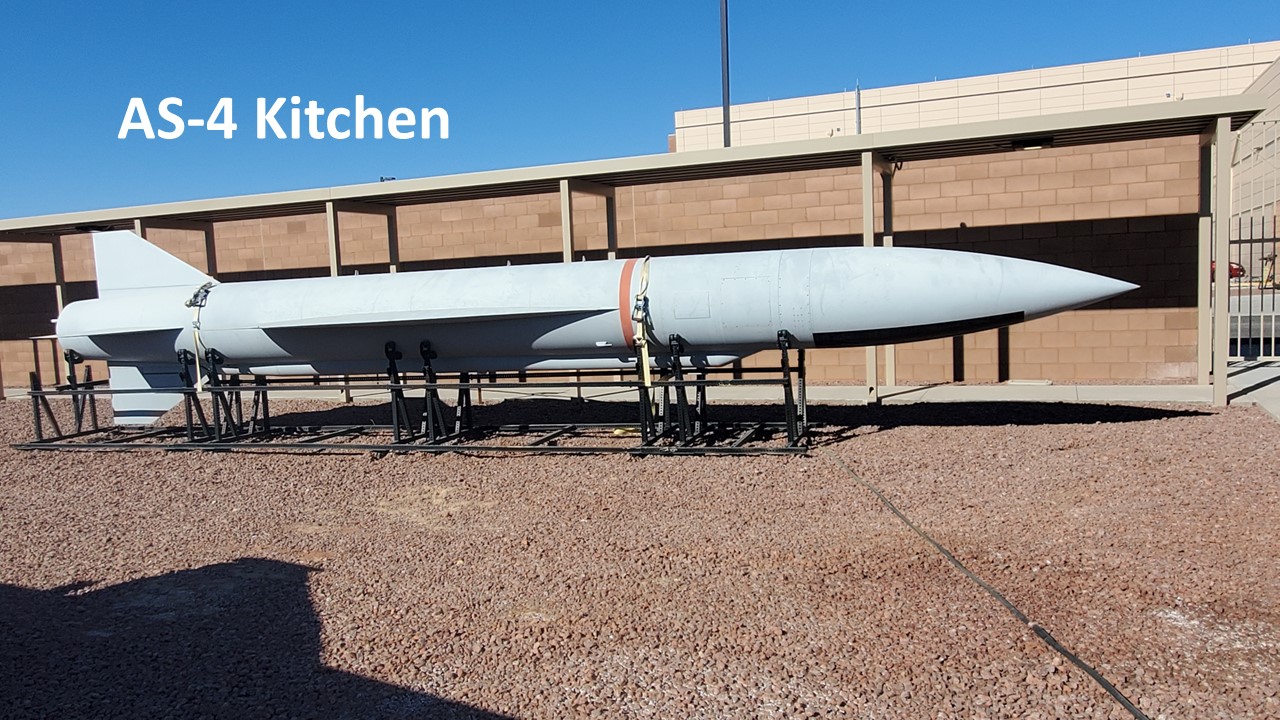
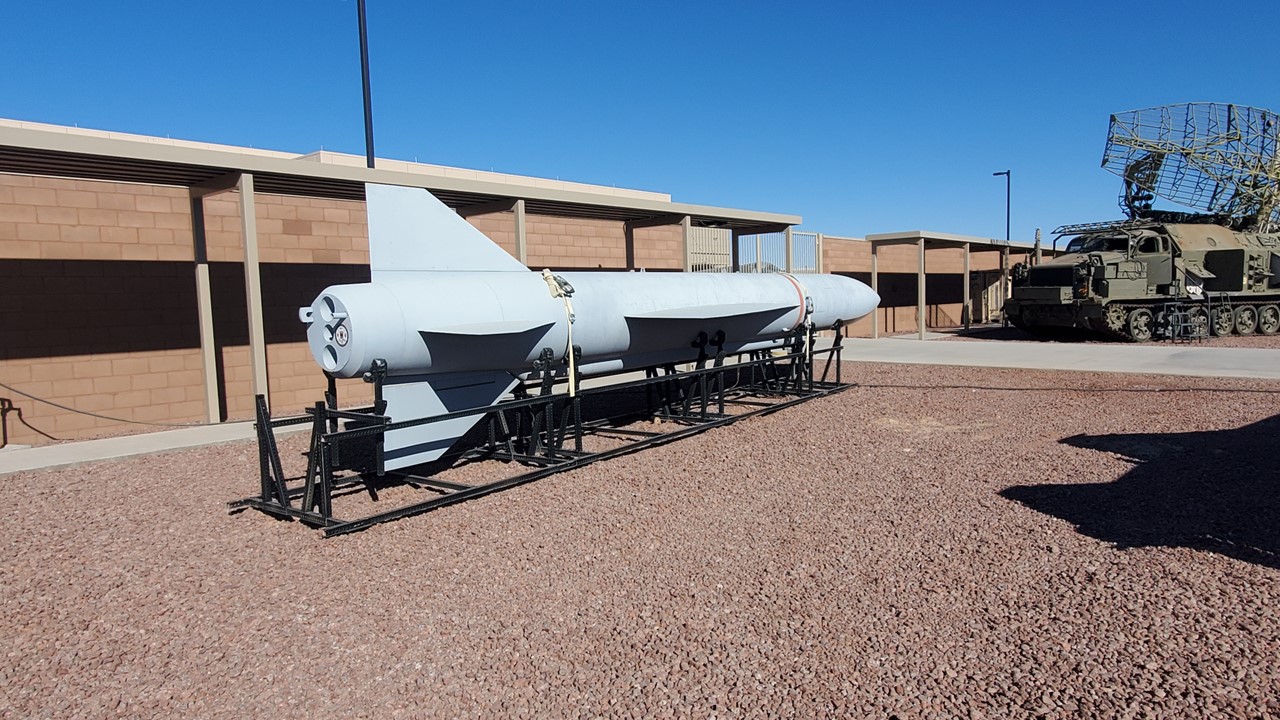
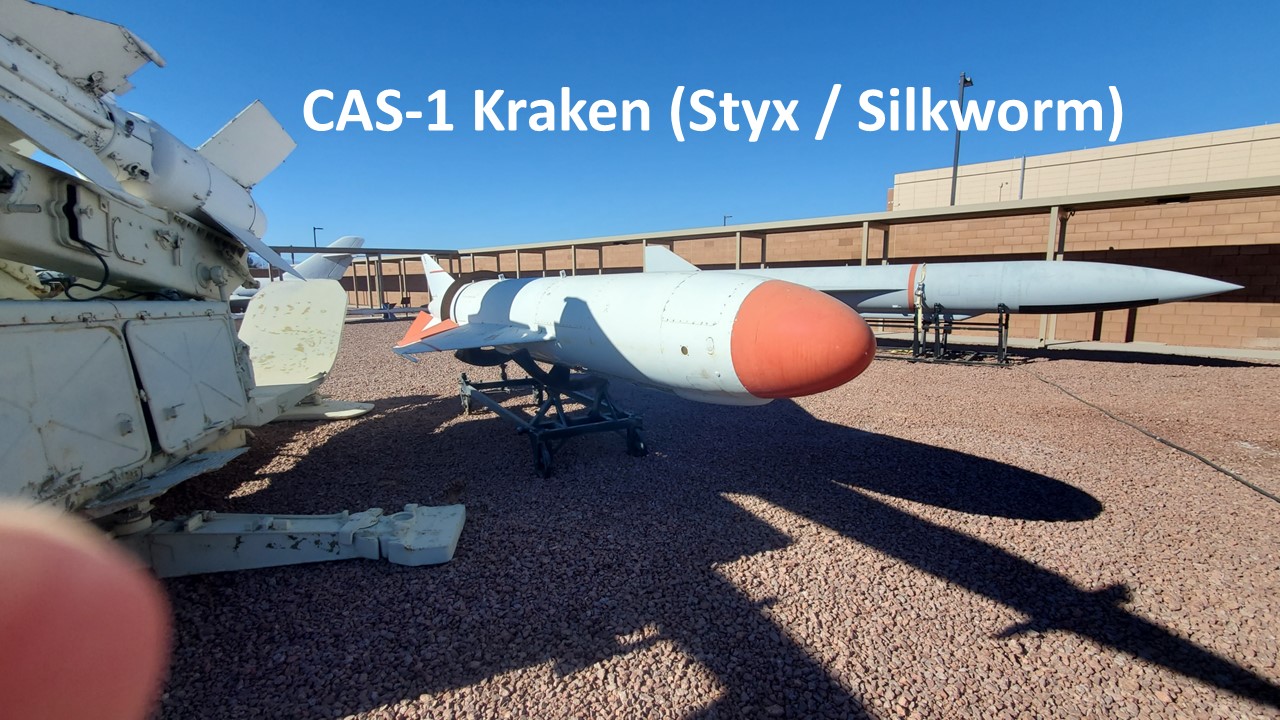
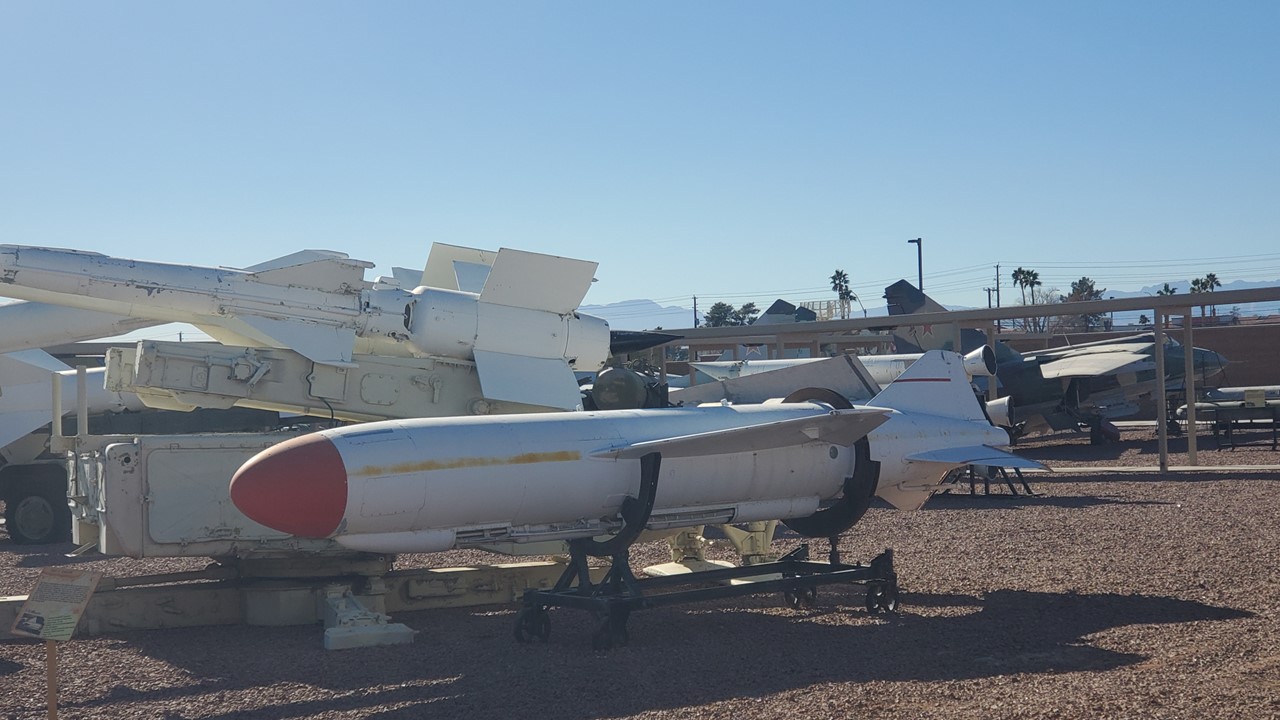
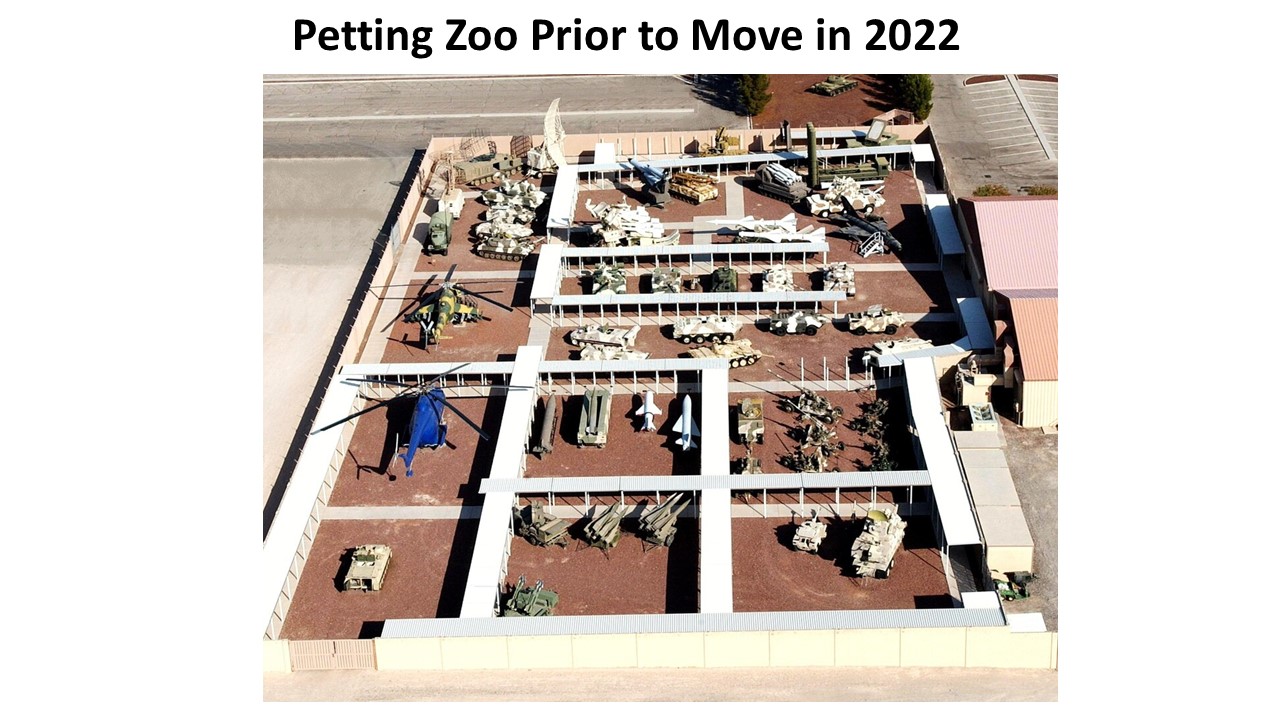
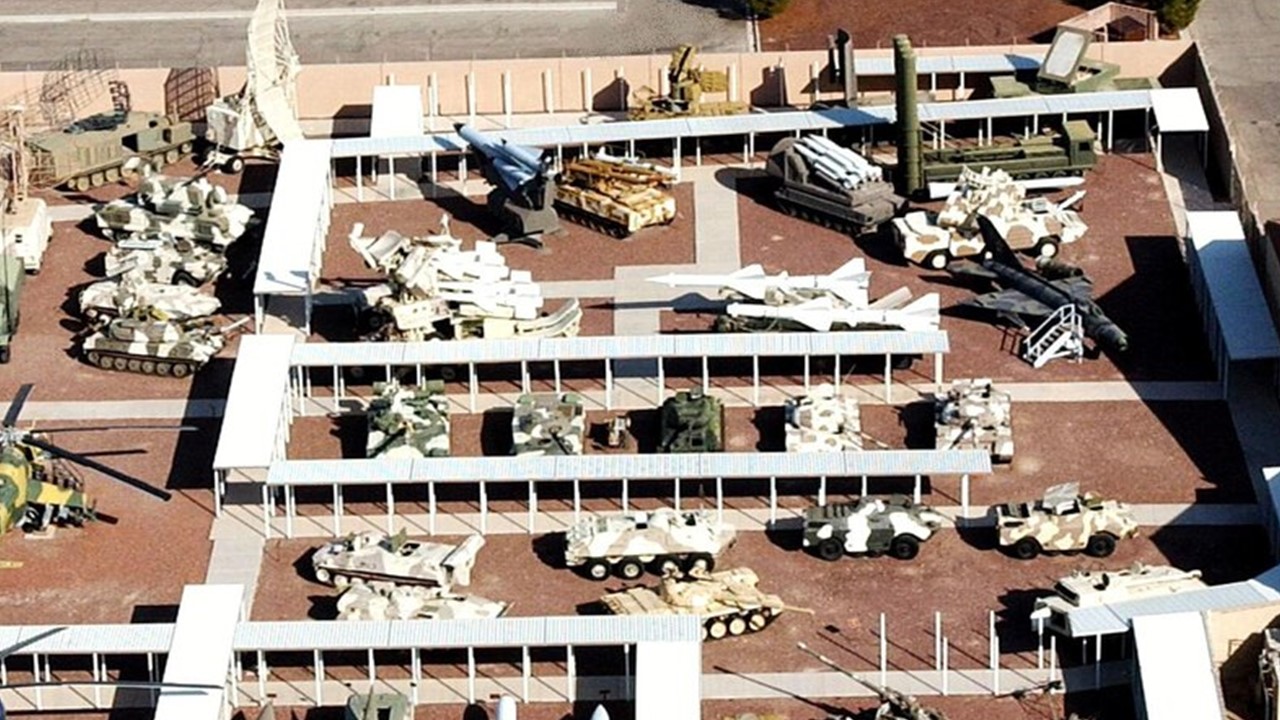
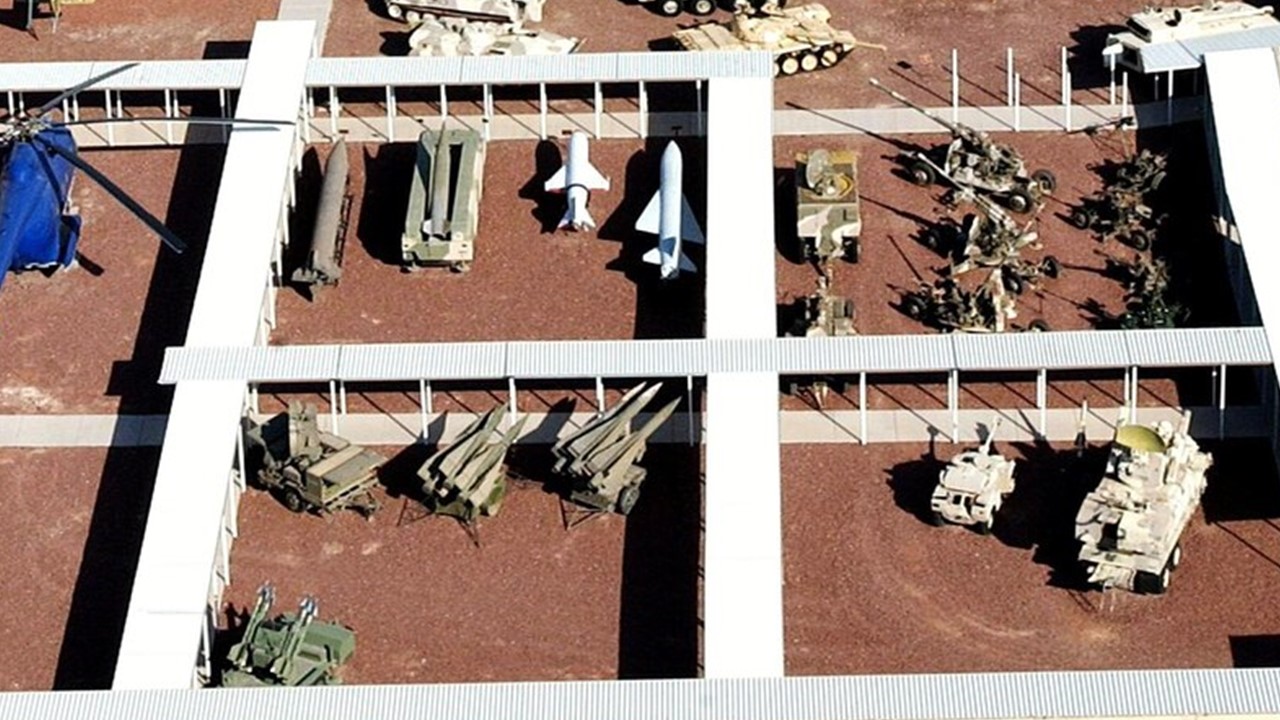
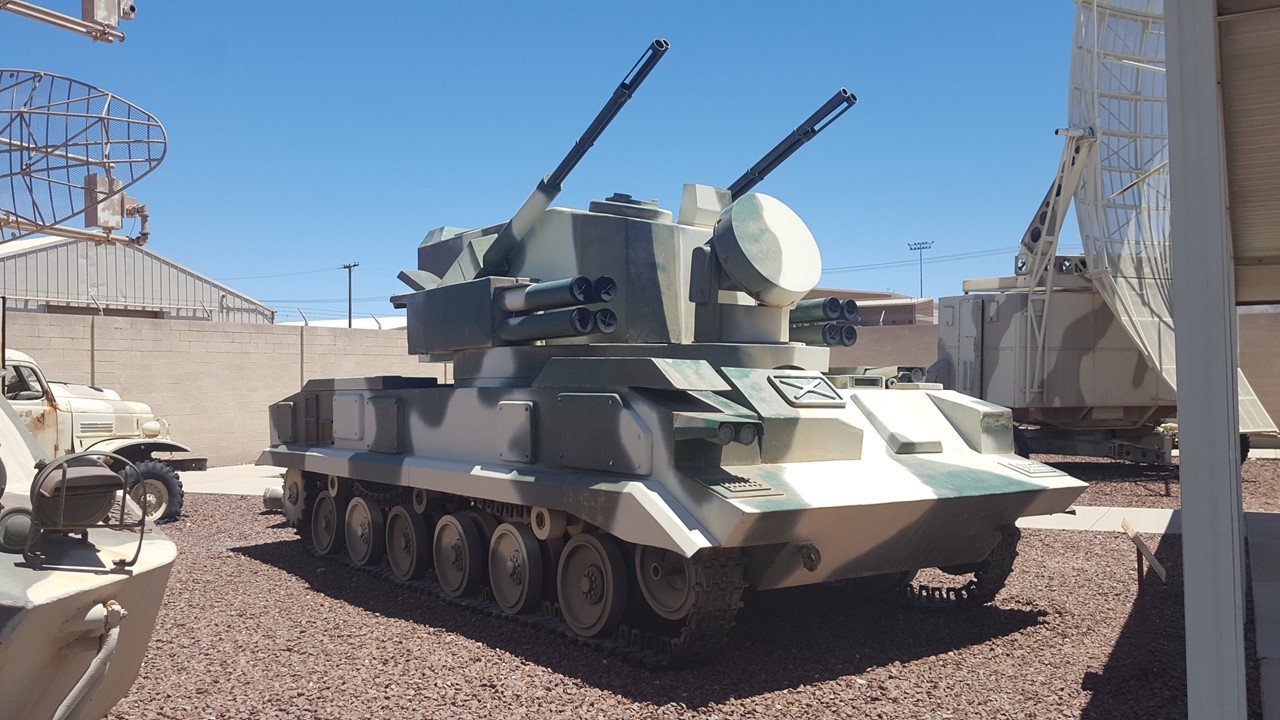
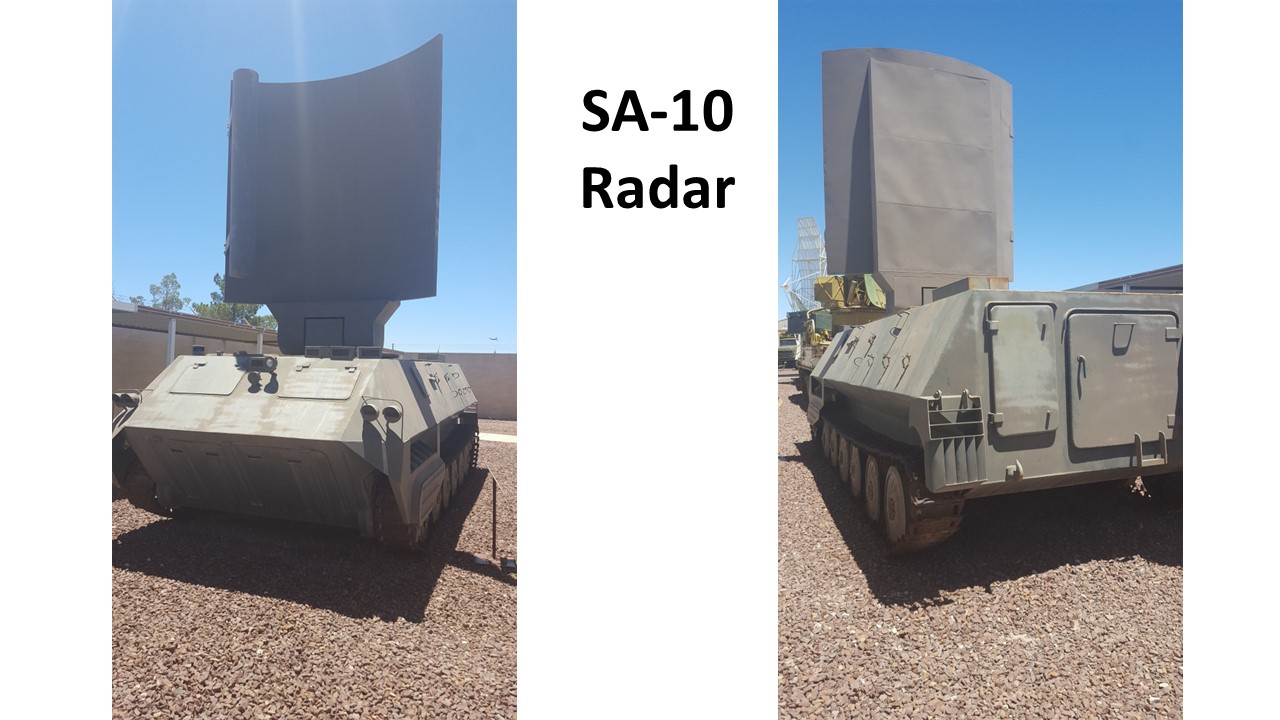
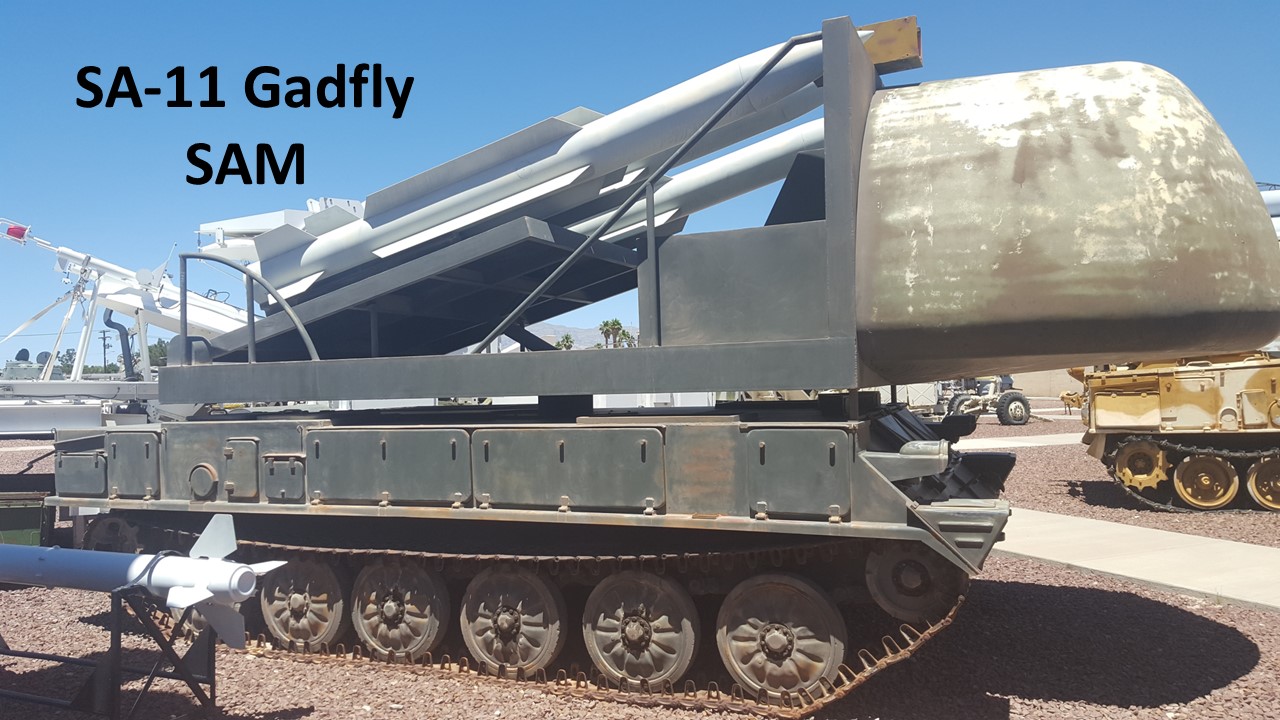
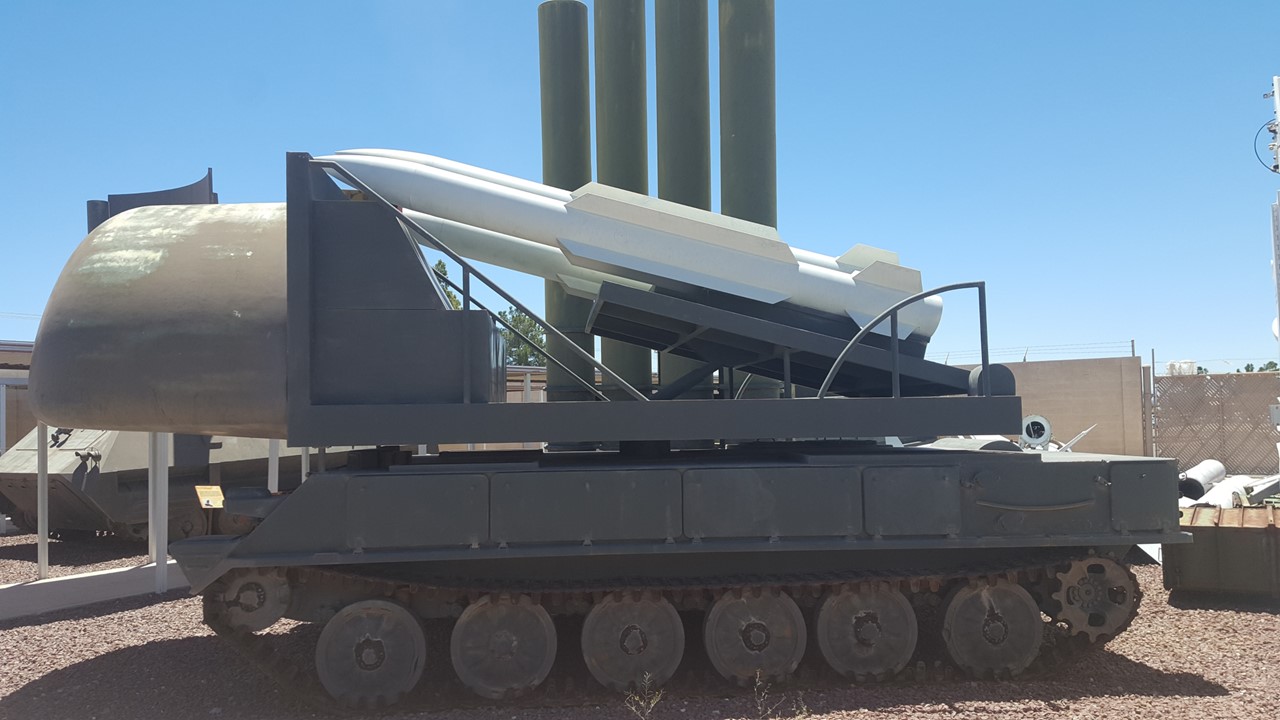
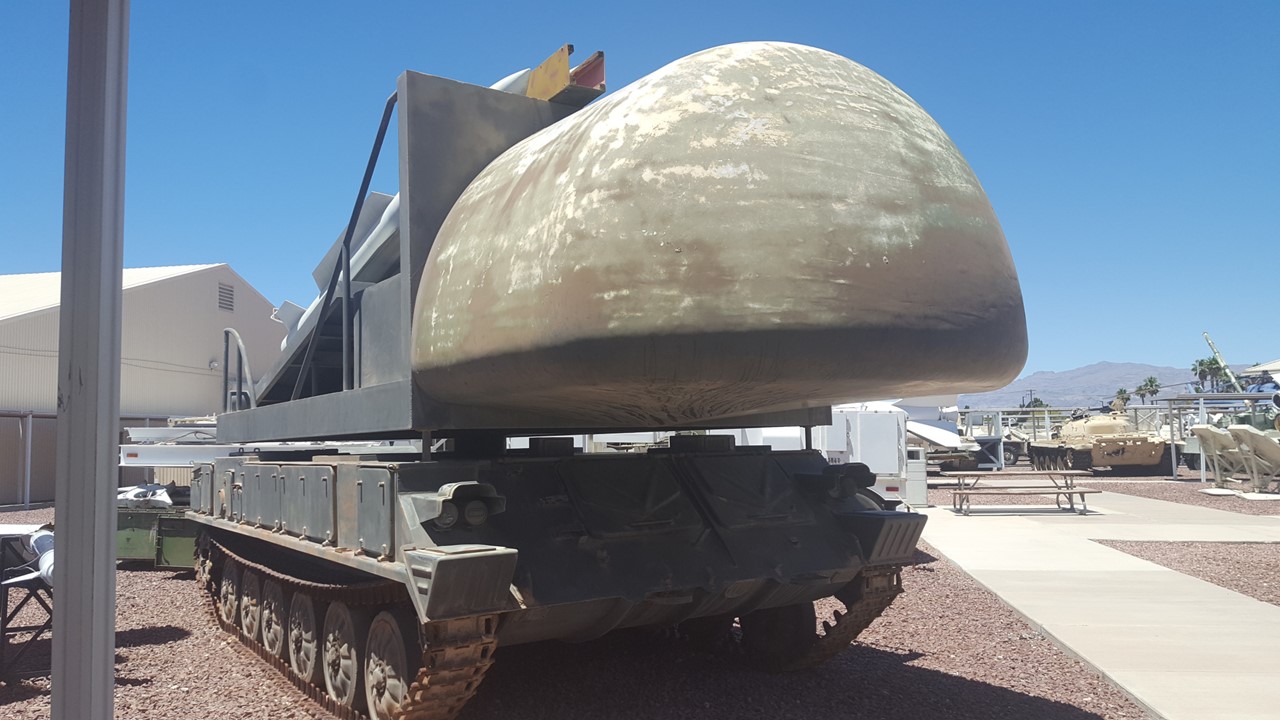
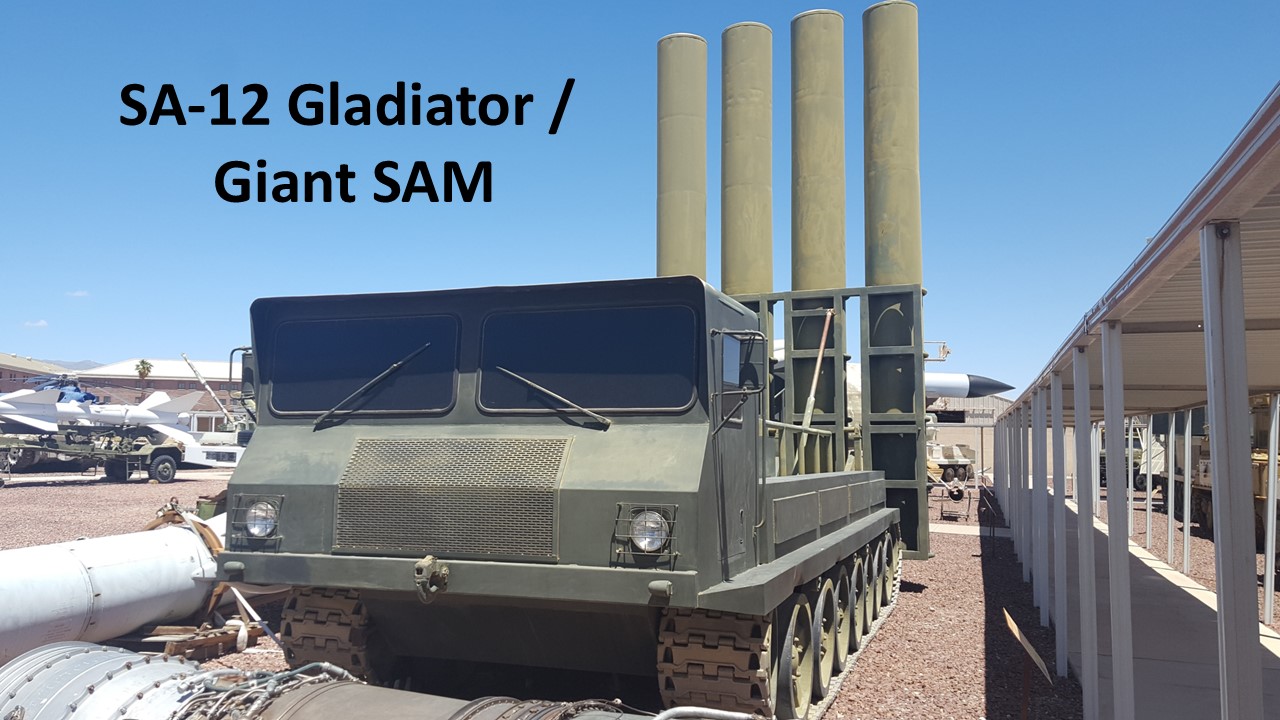
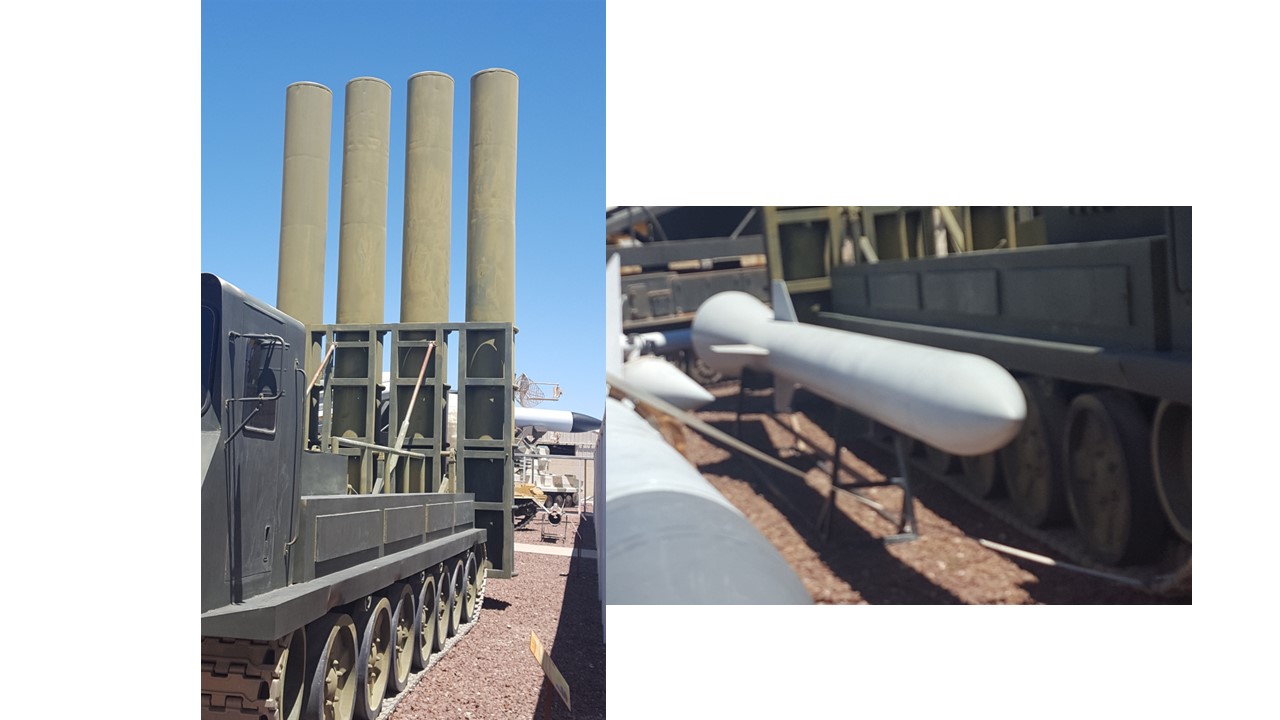
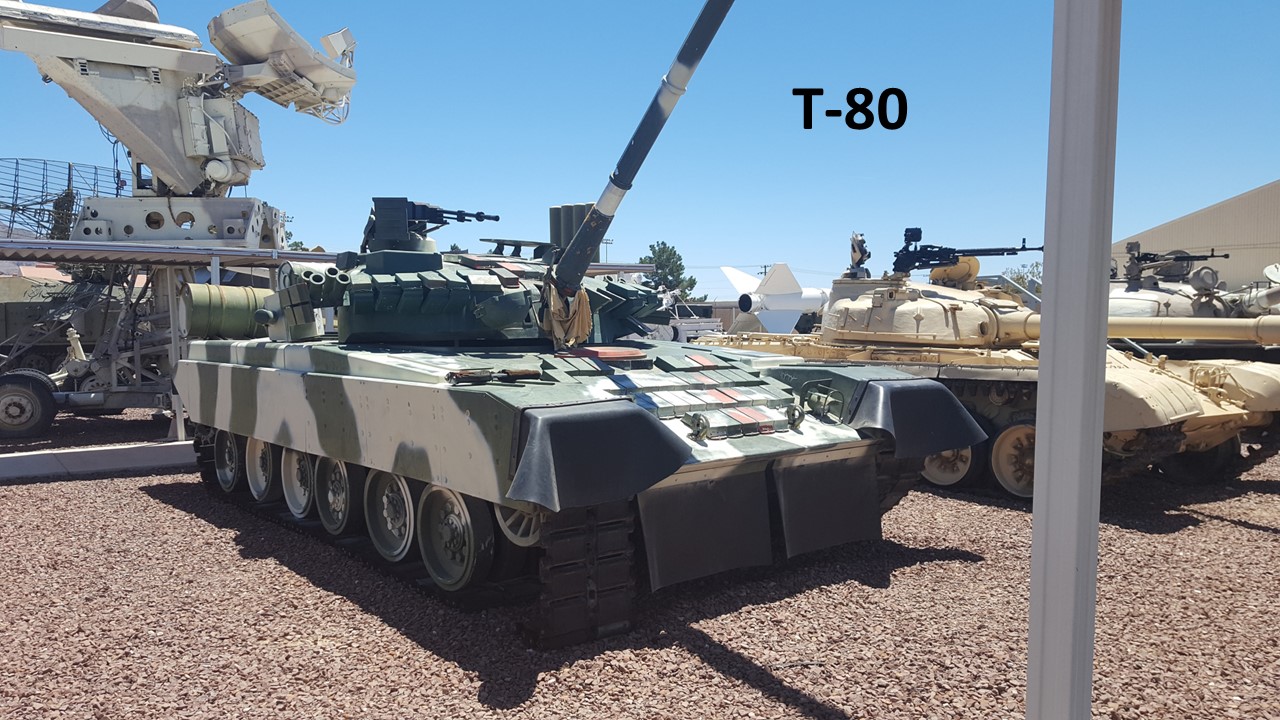
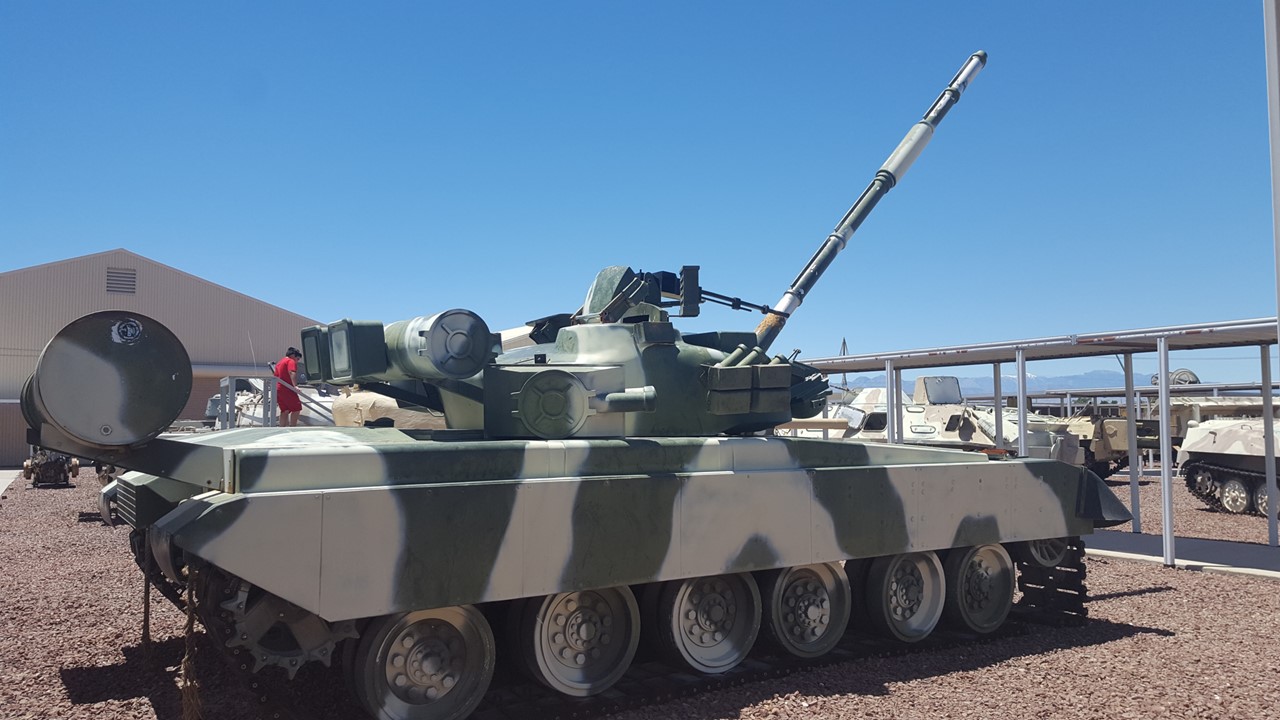
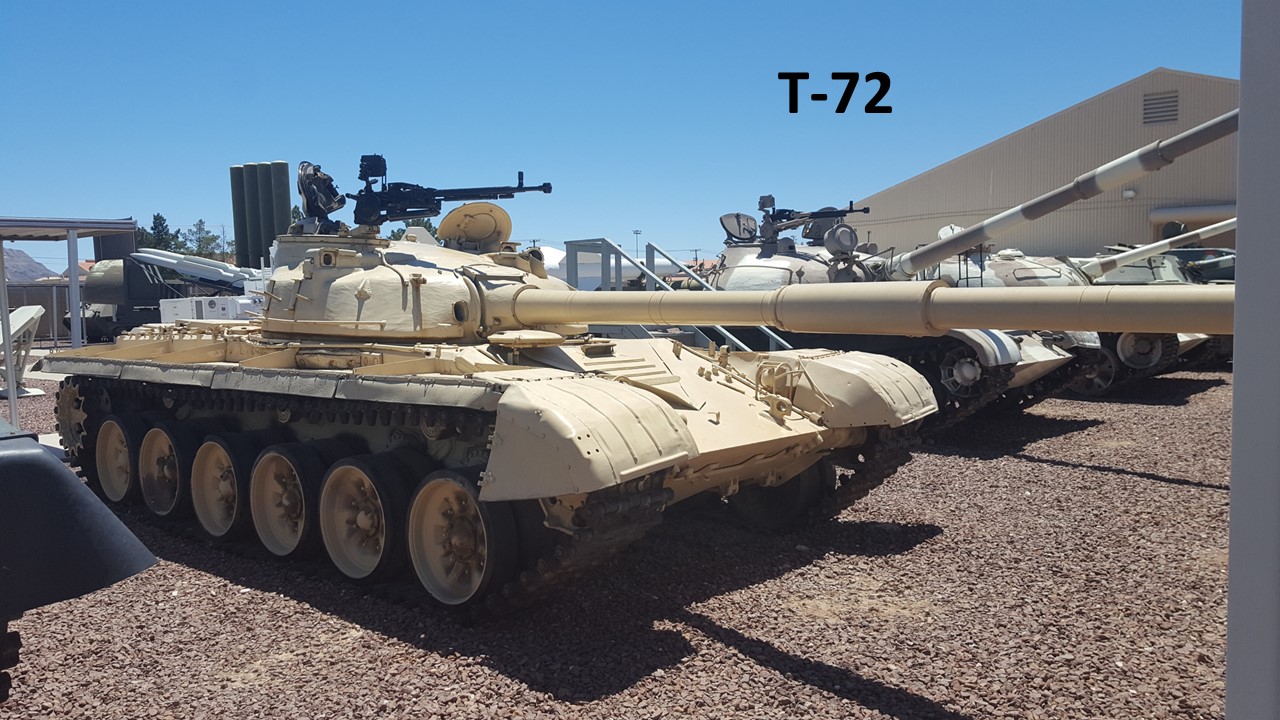
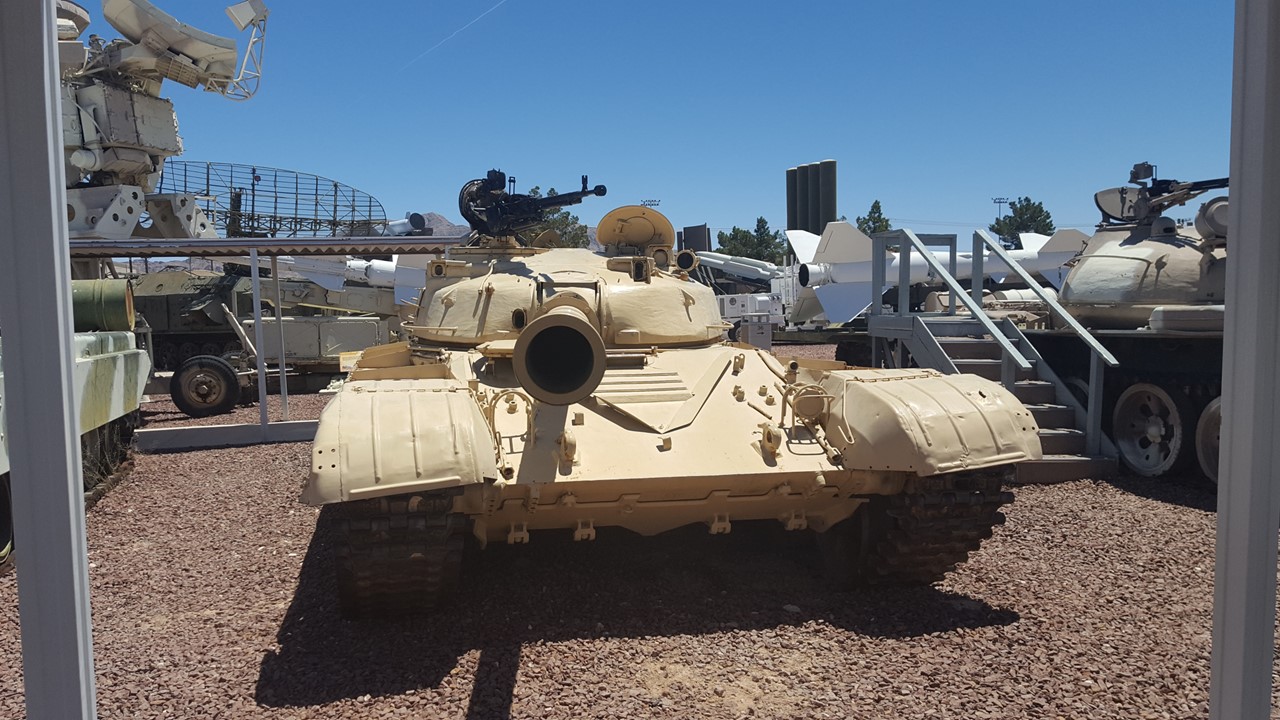
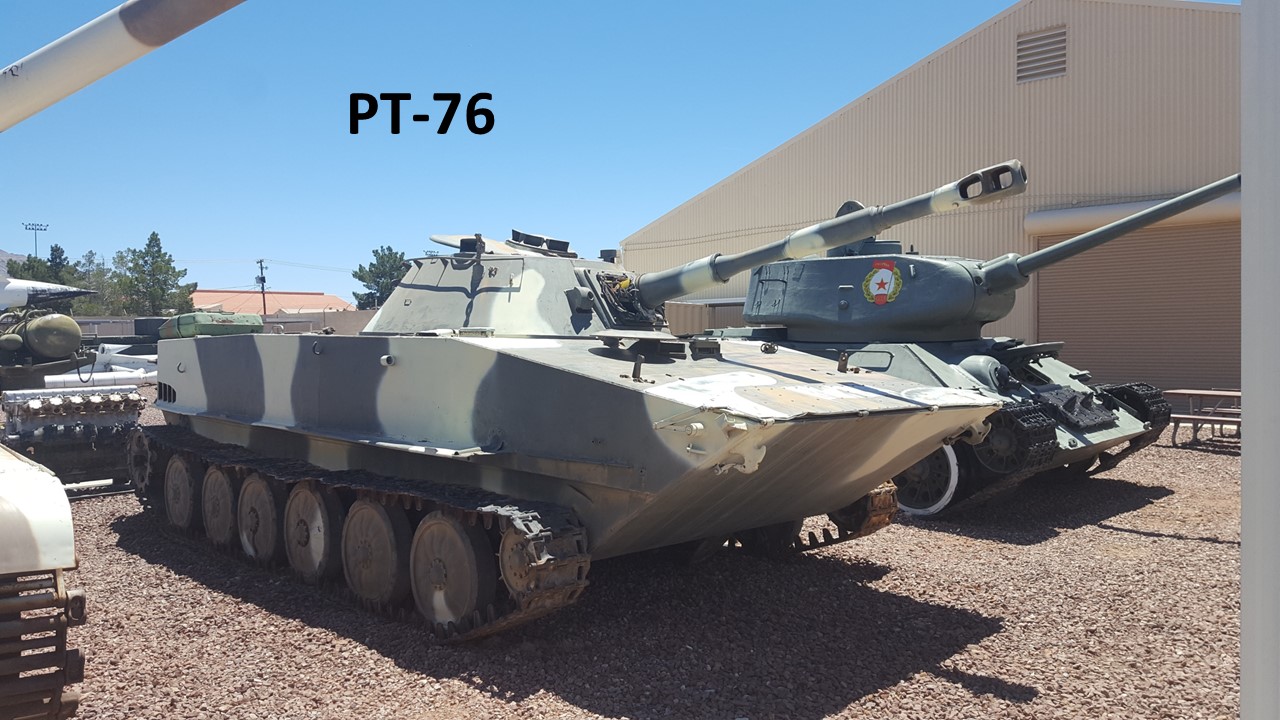
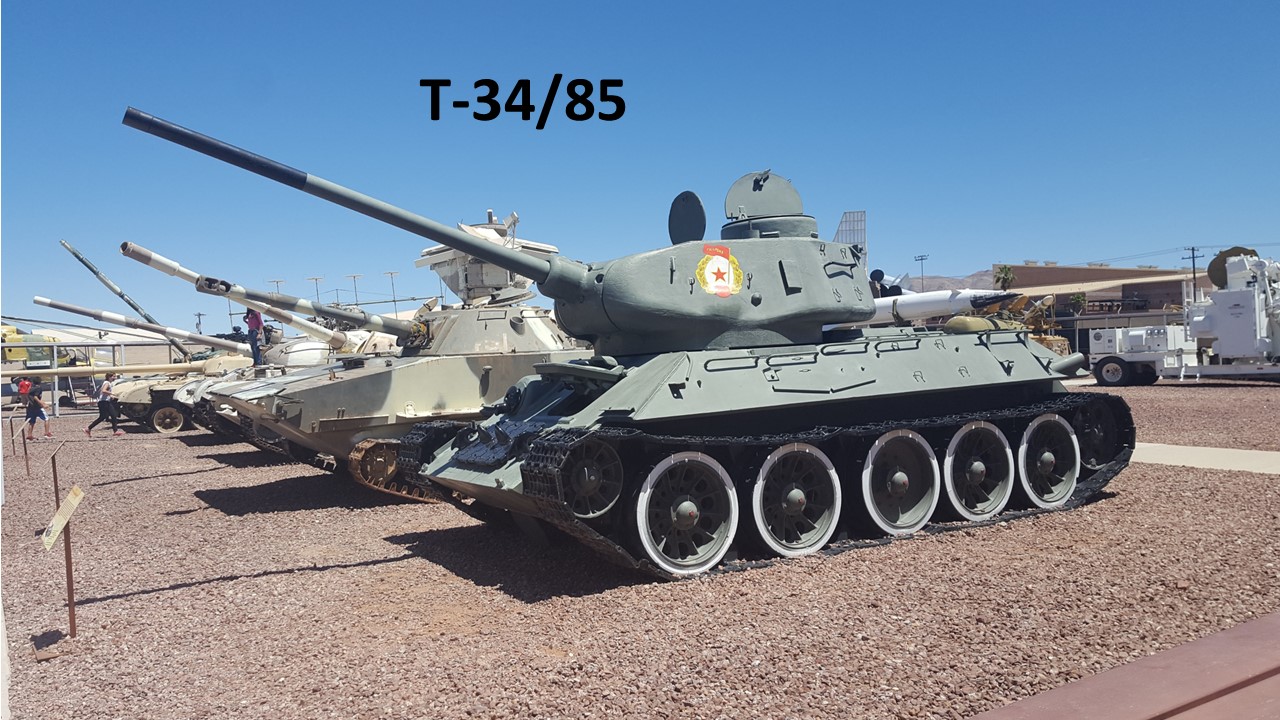
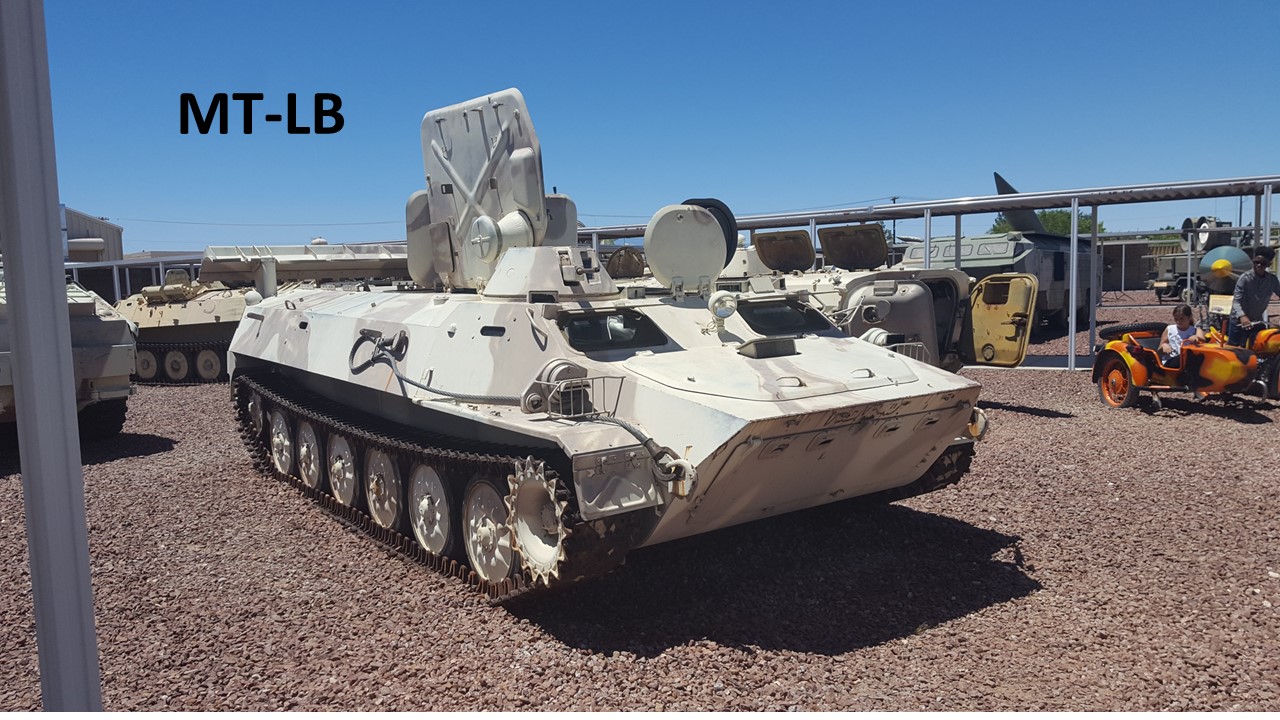
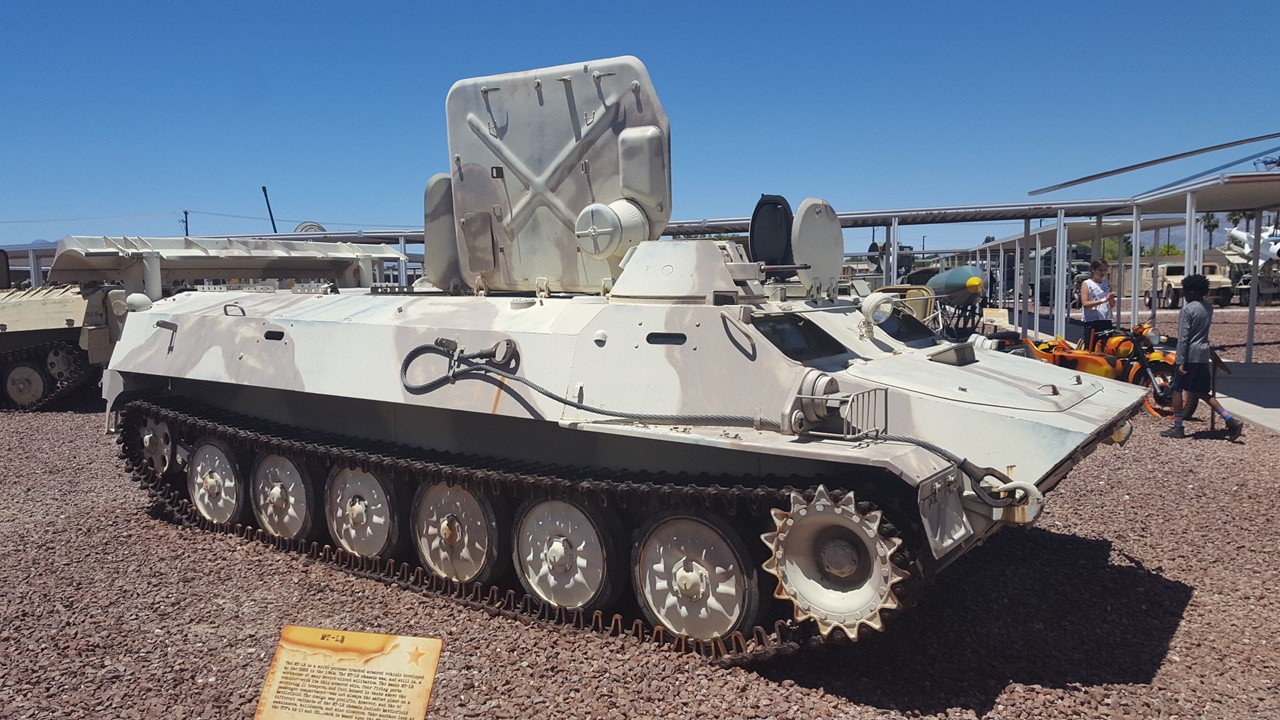
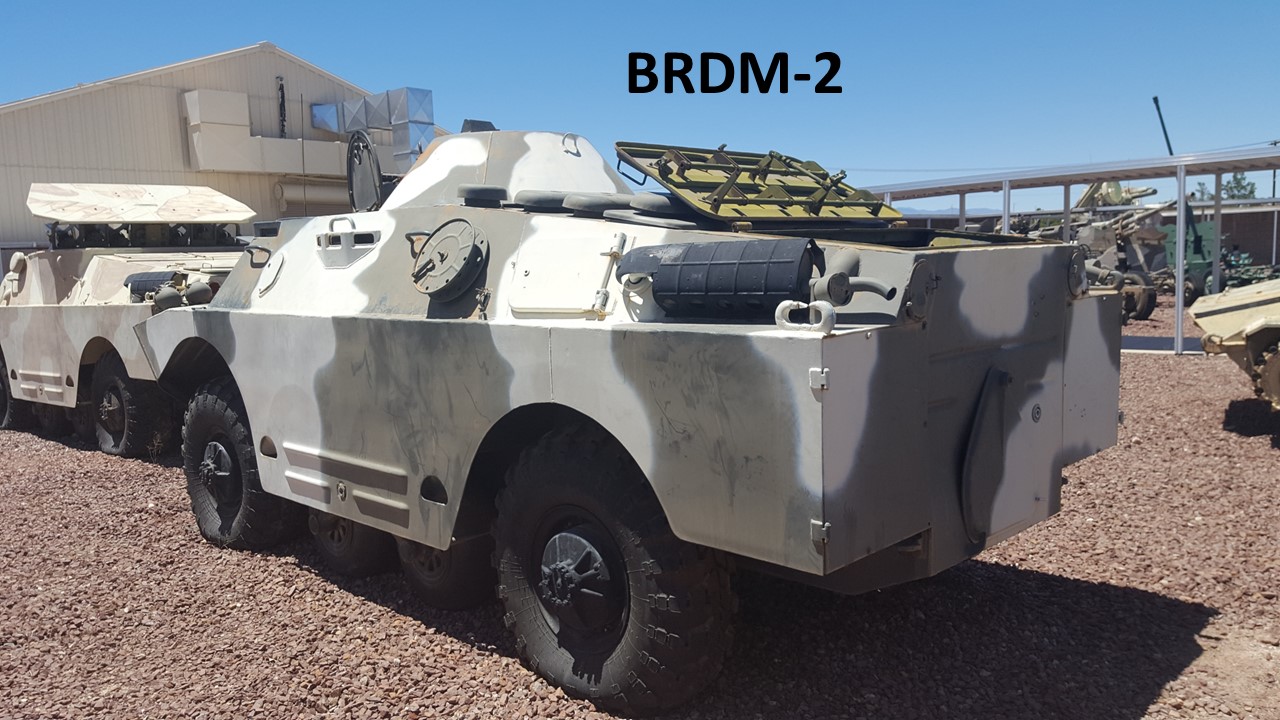
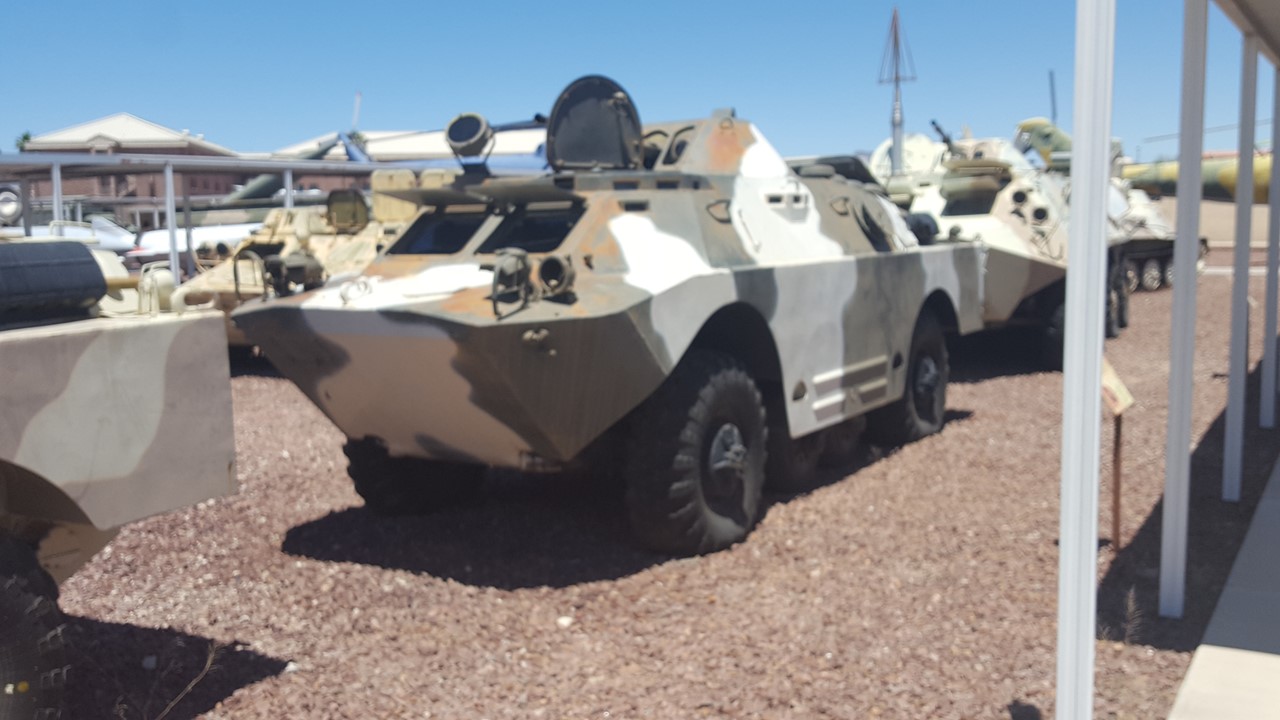
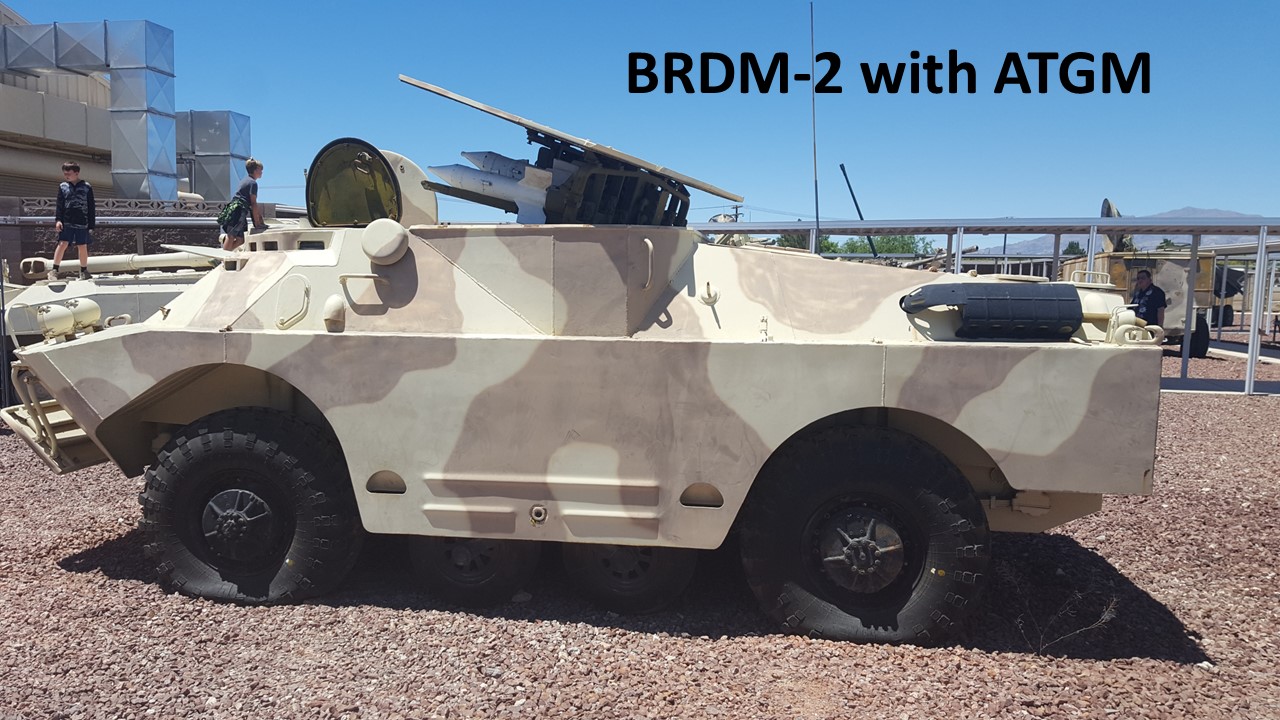
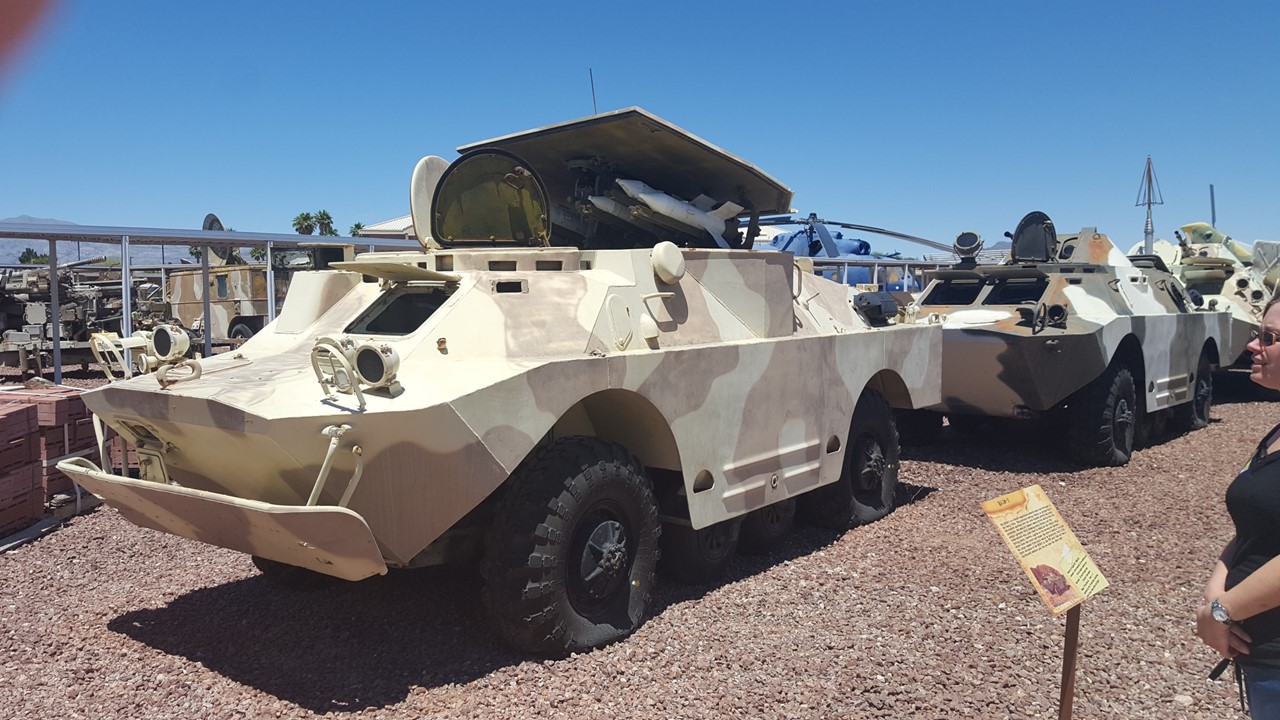
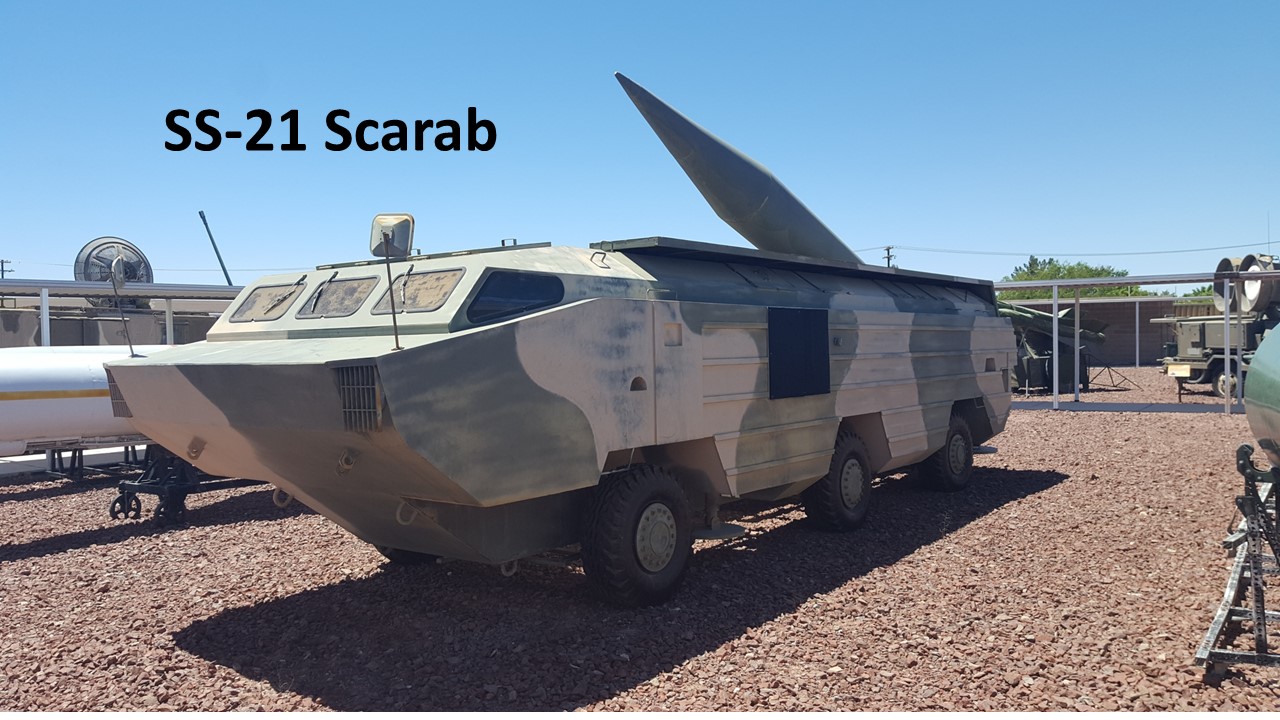
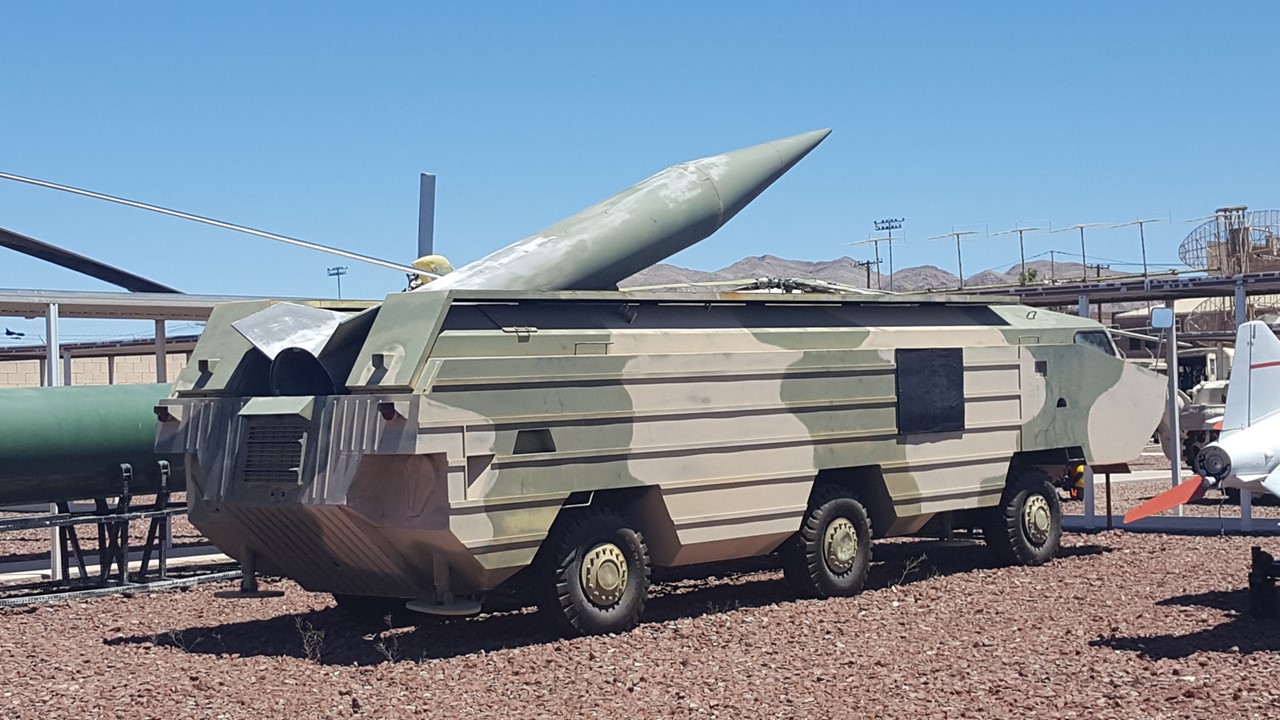
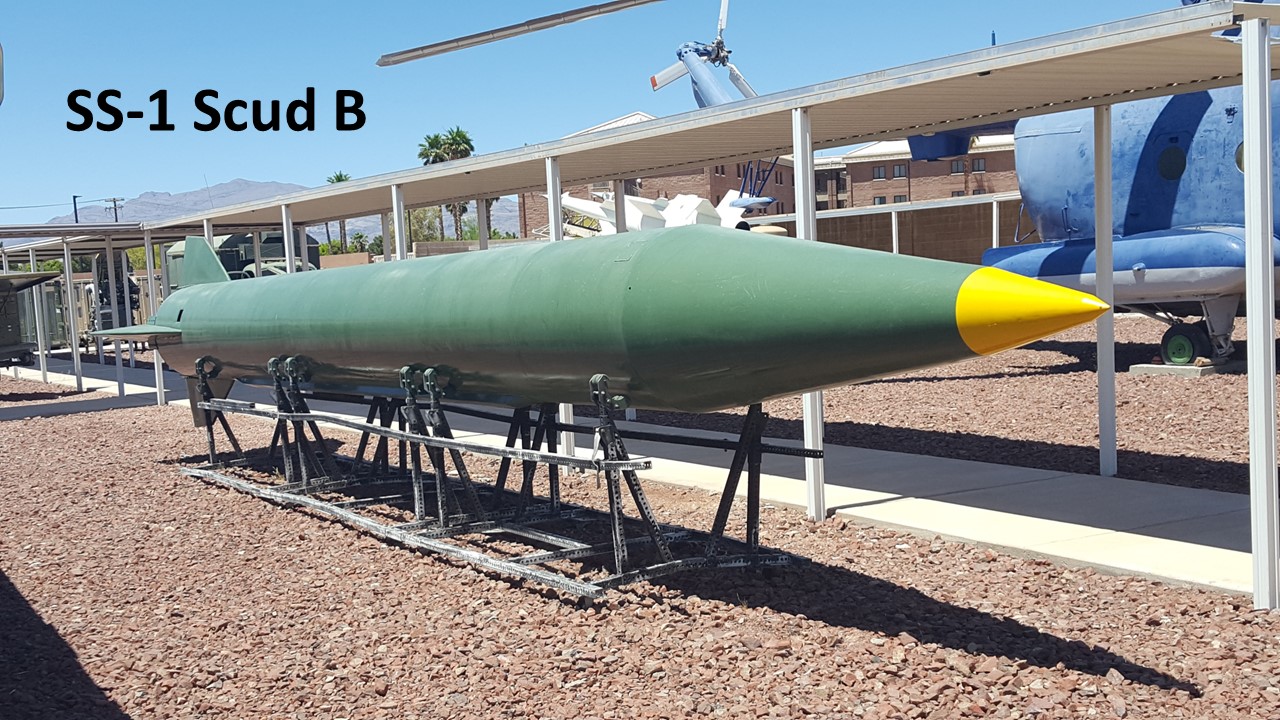
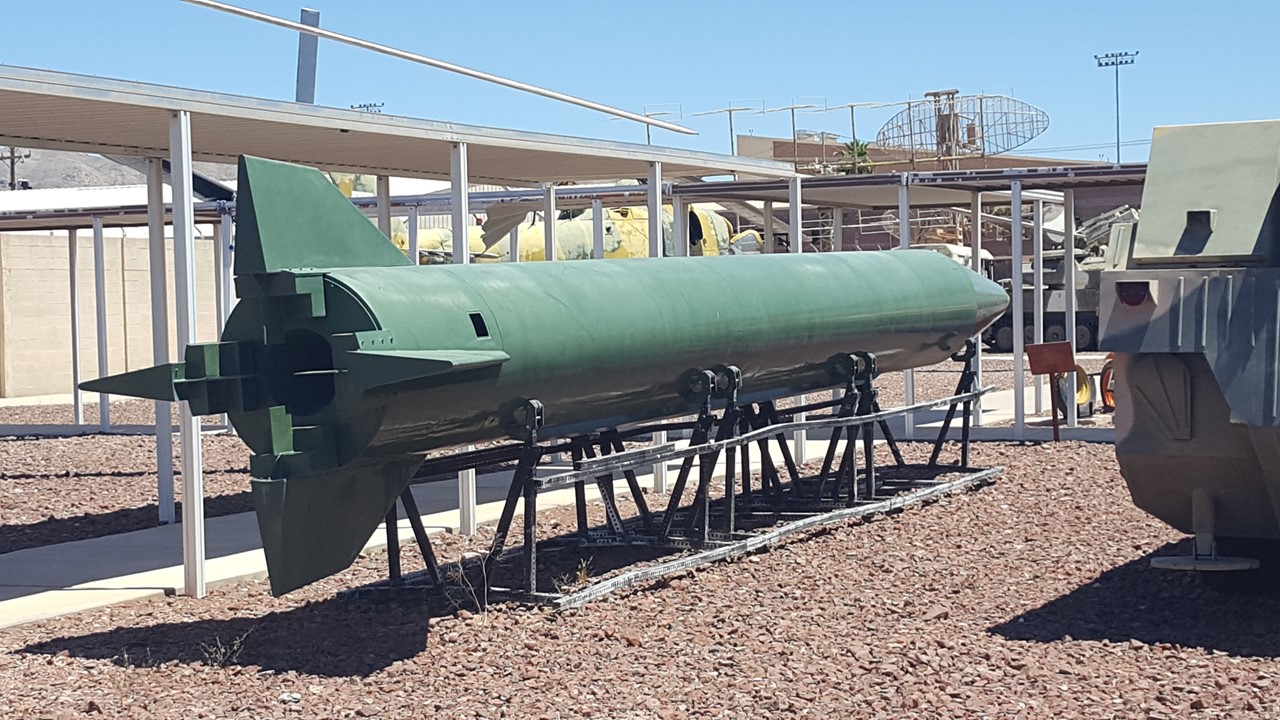
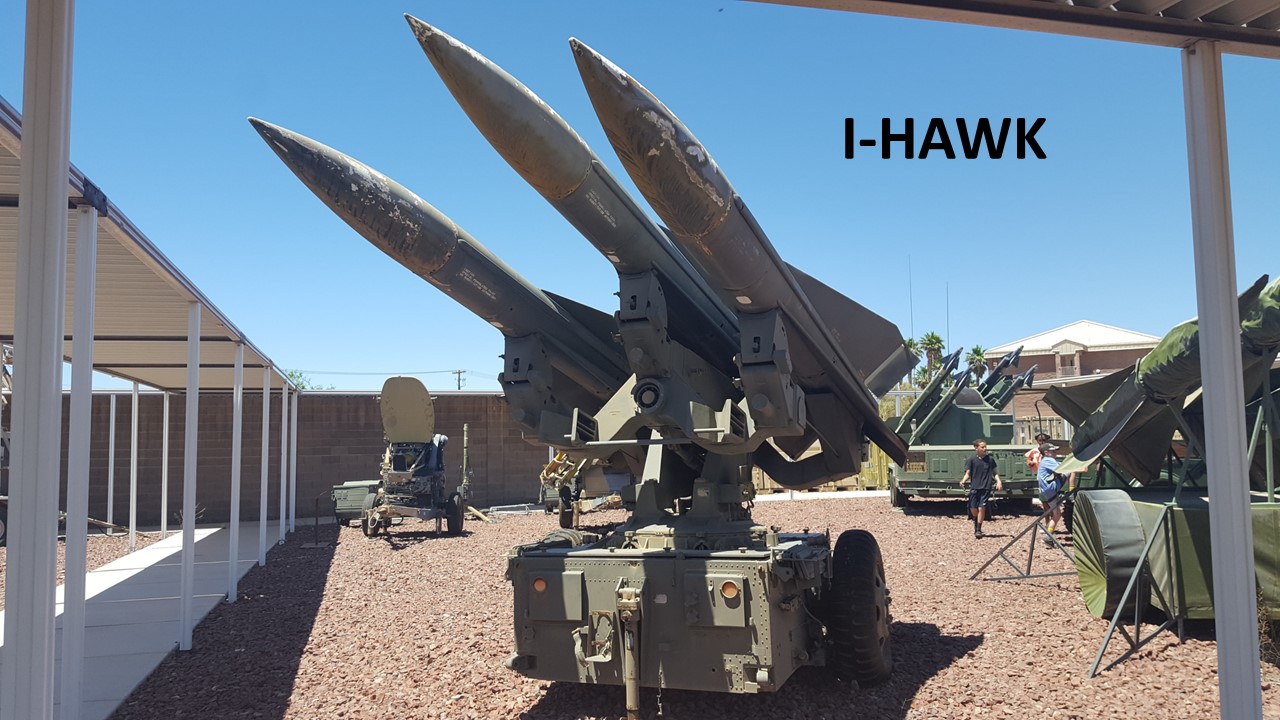
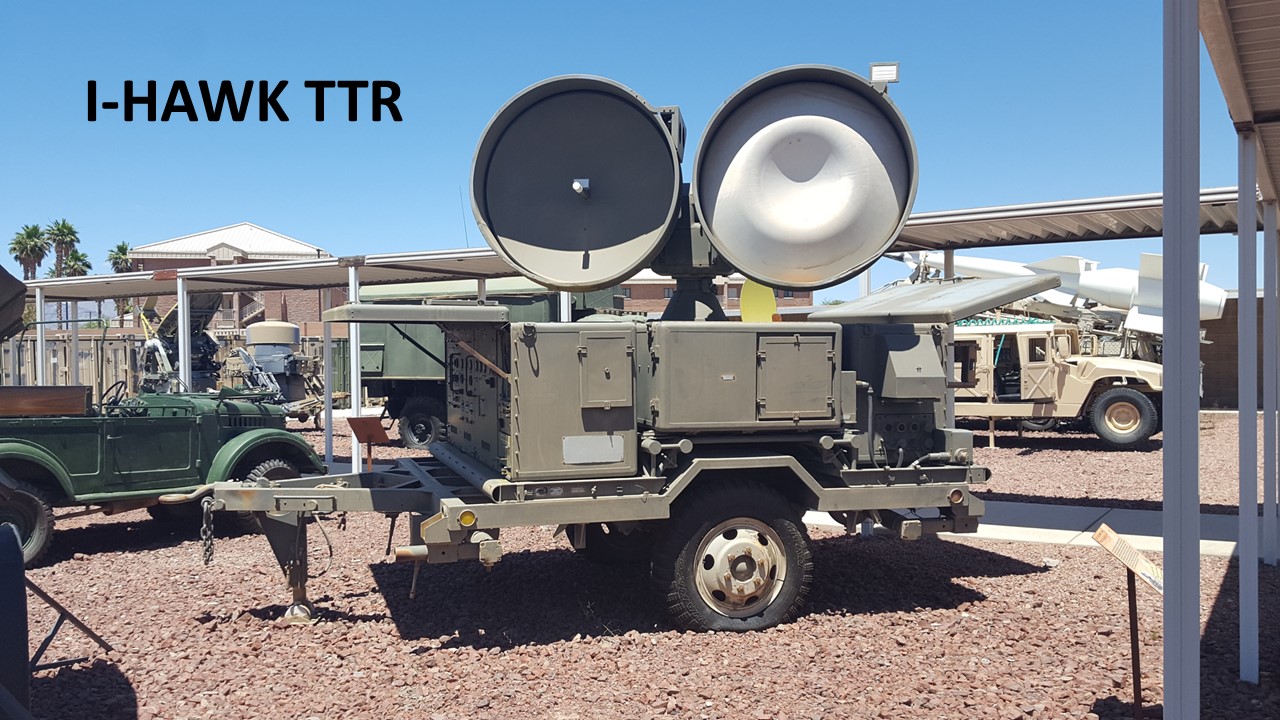
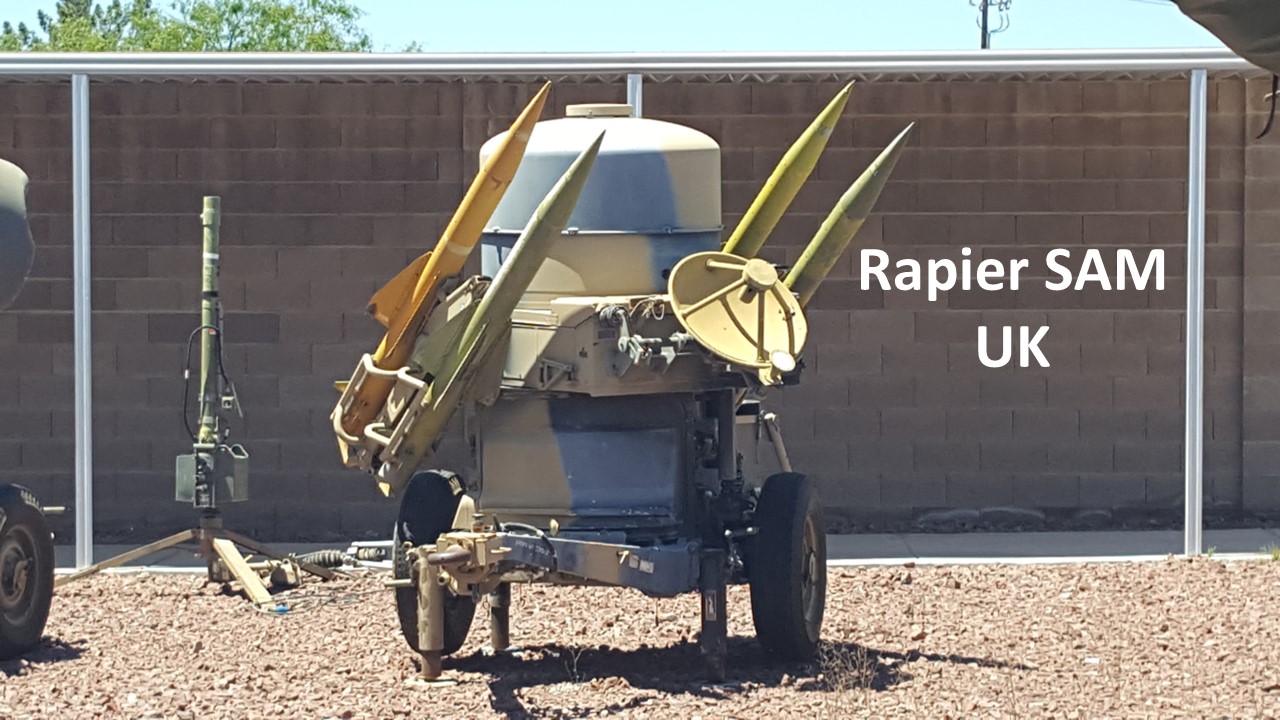
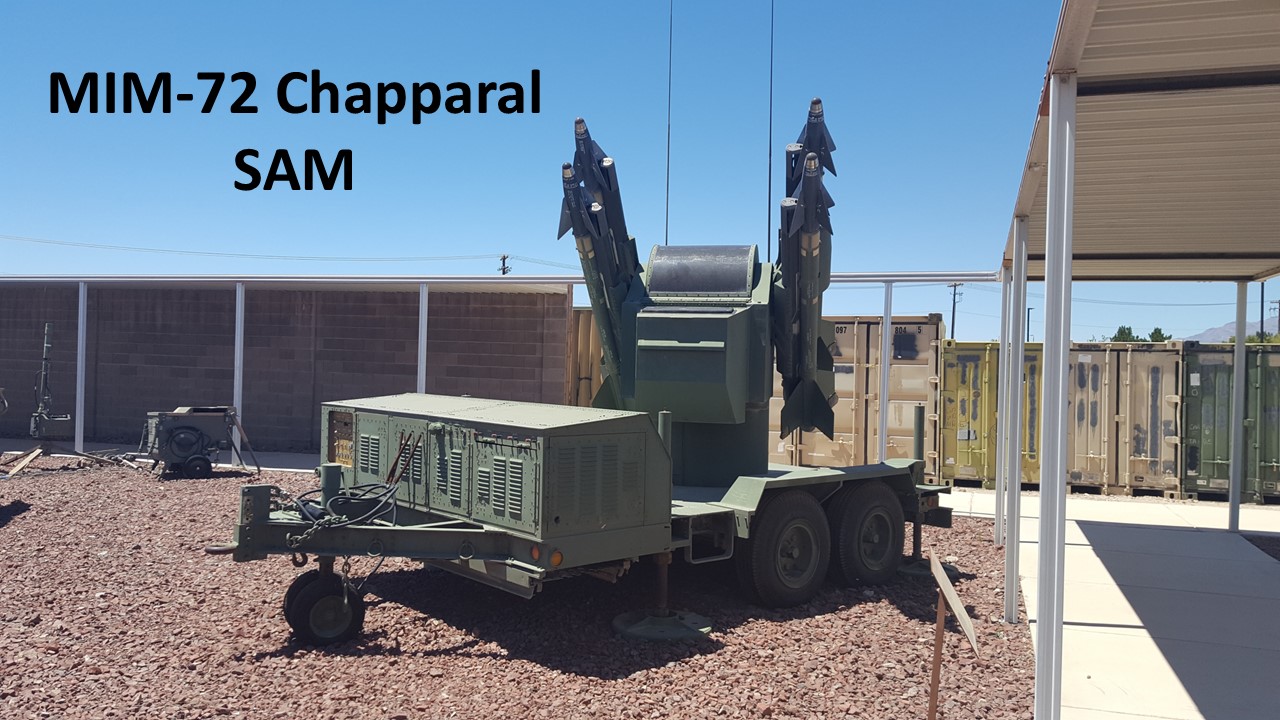
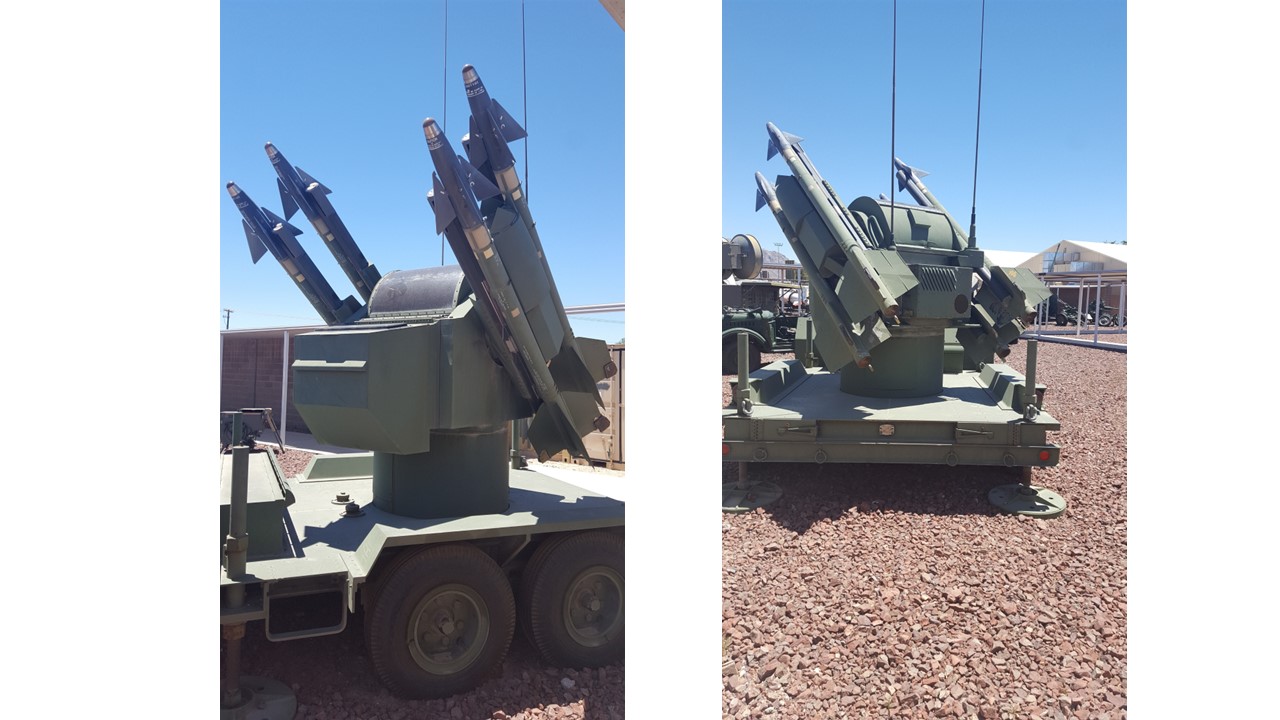

by Dave Tingley
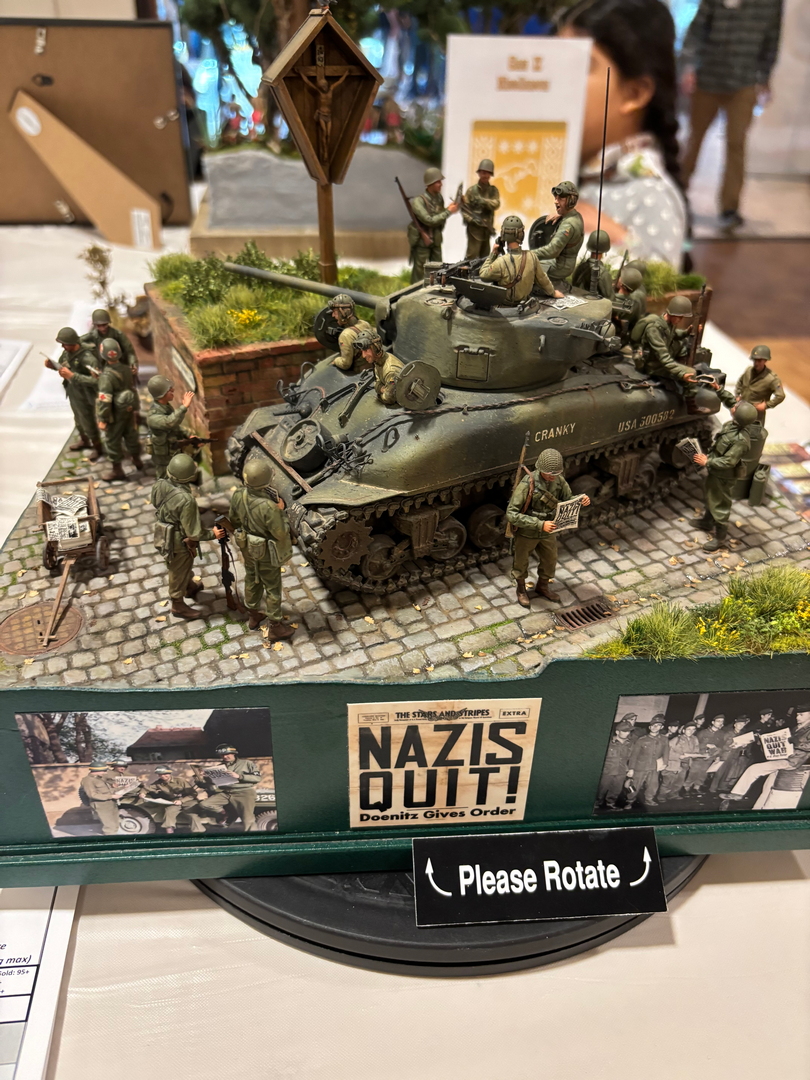
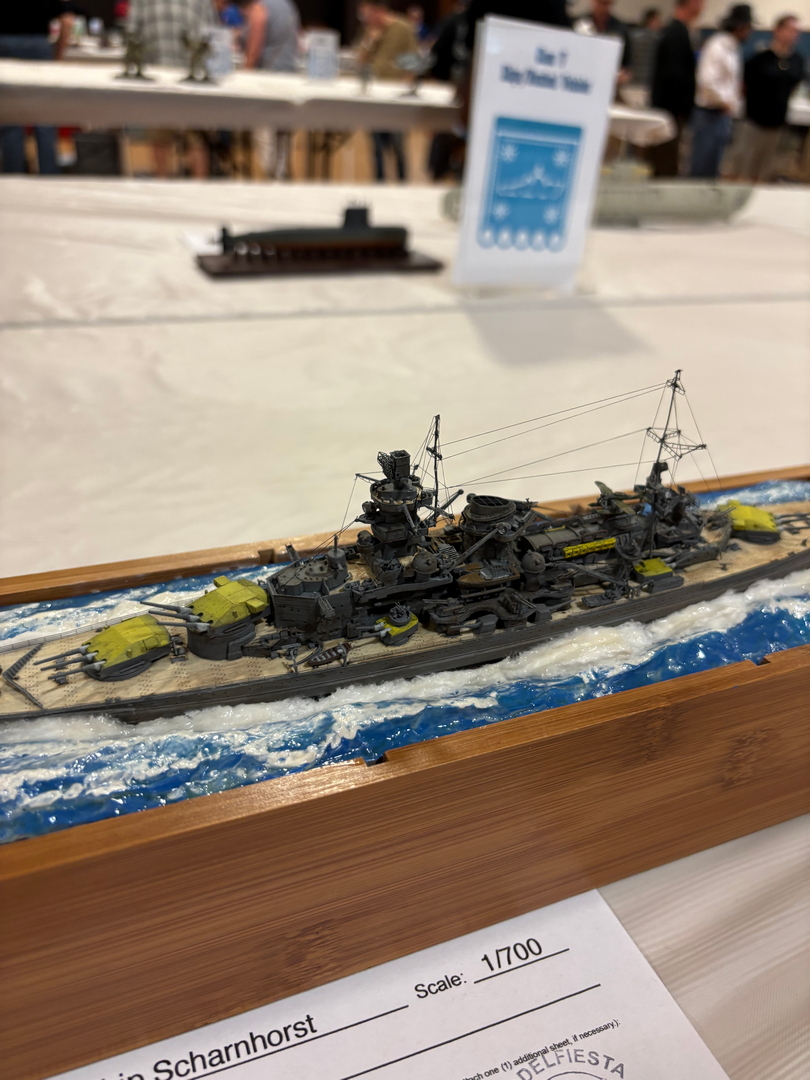
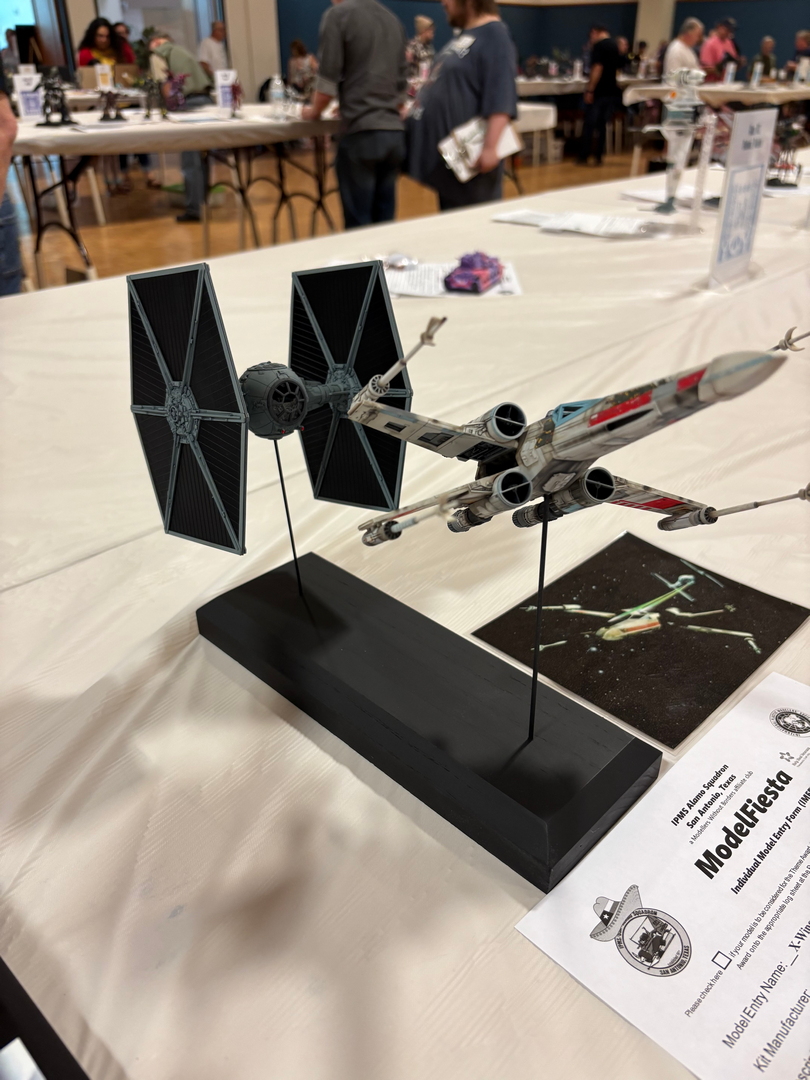
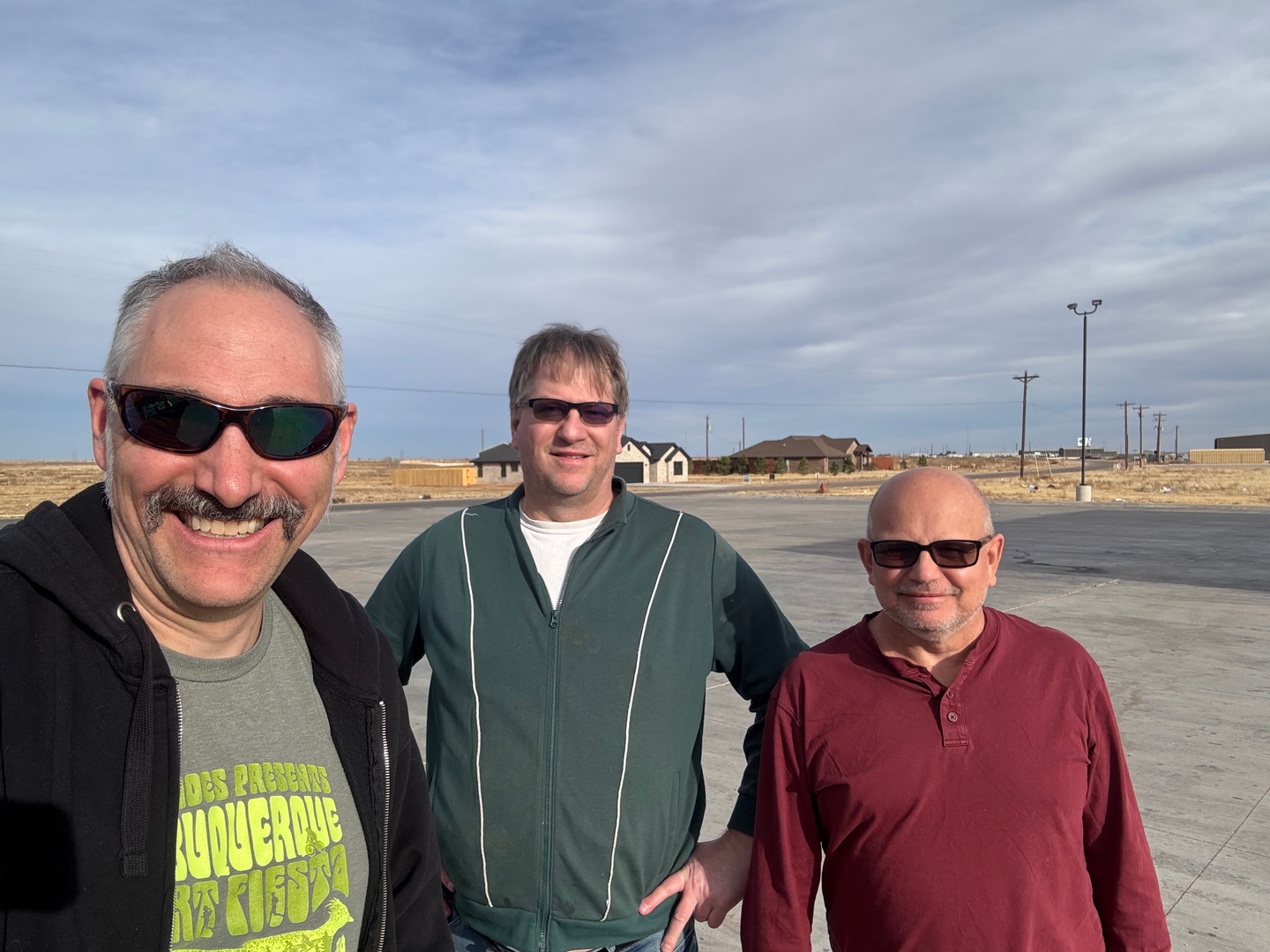
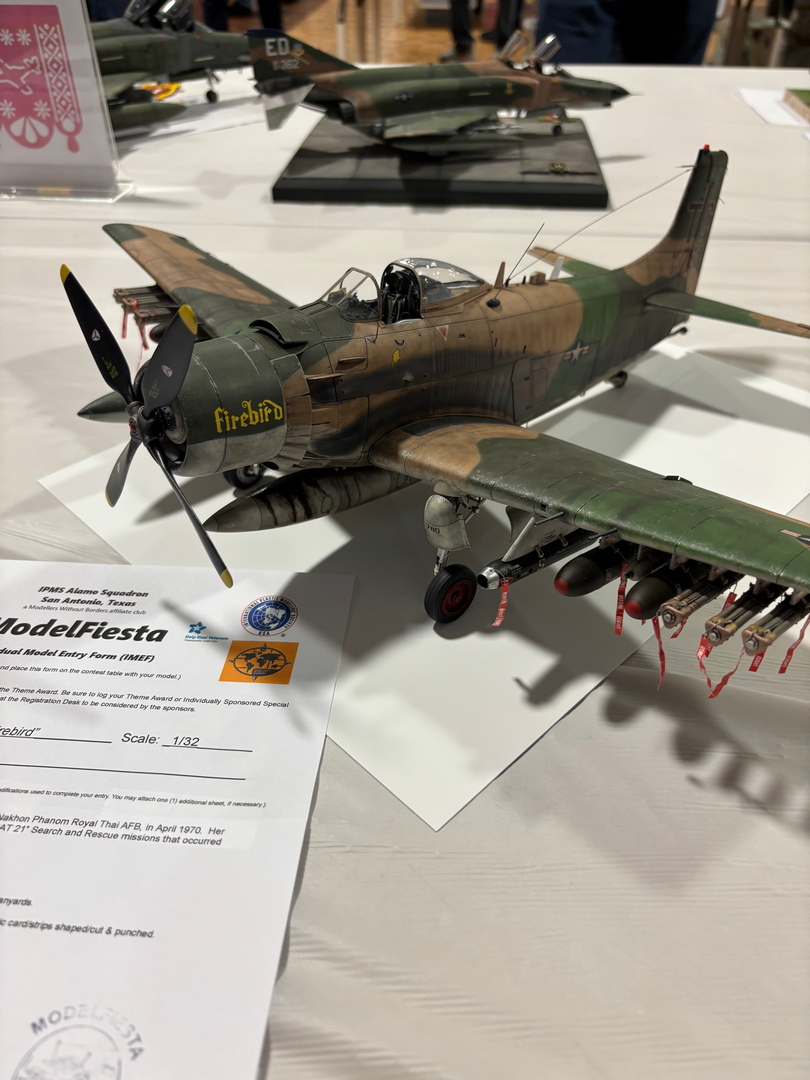
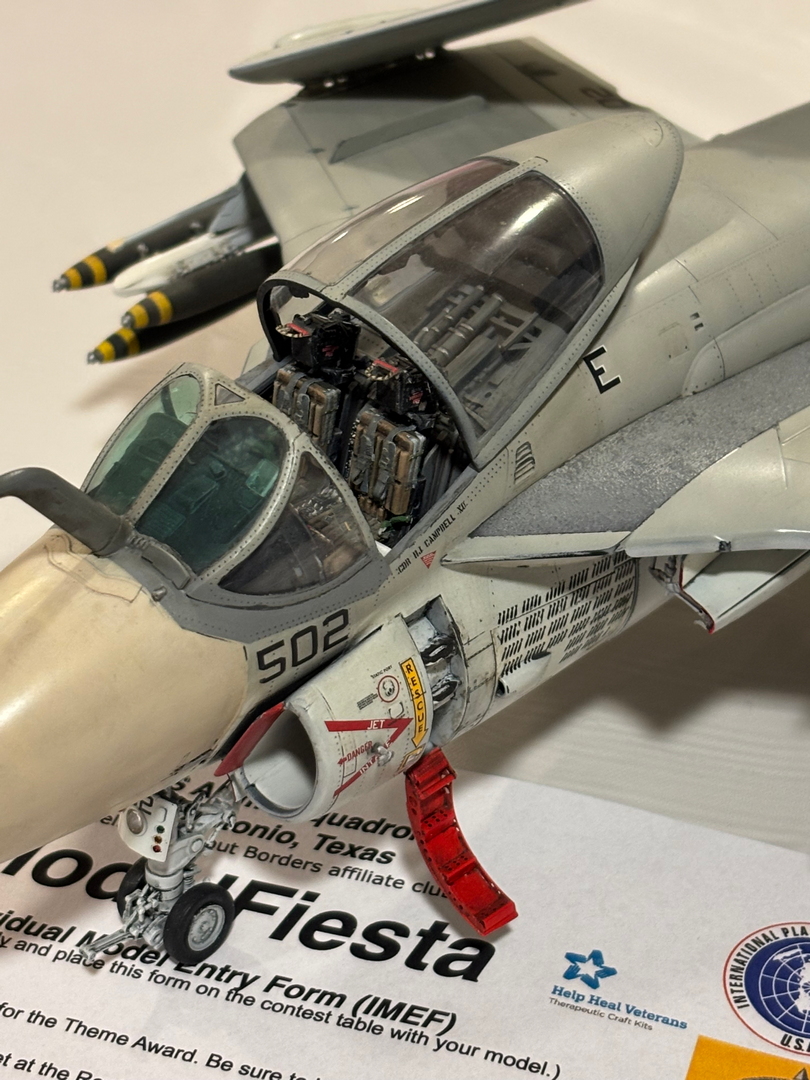
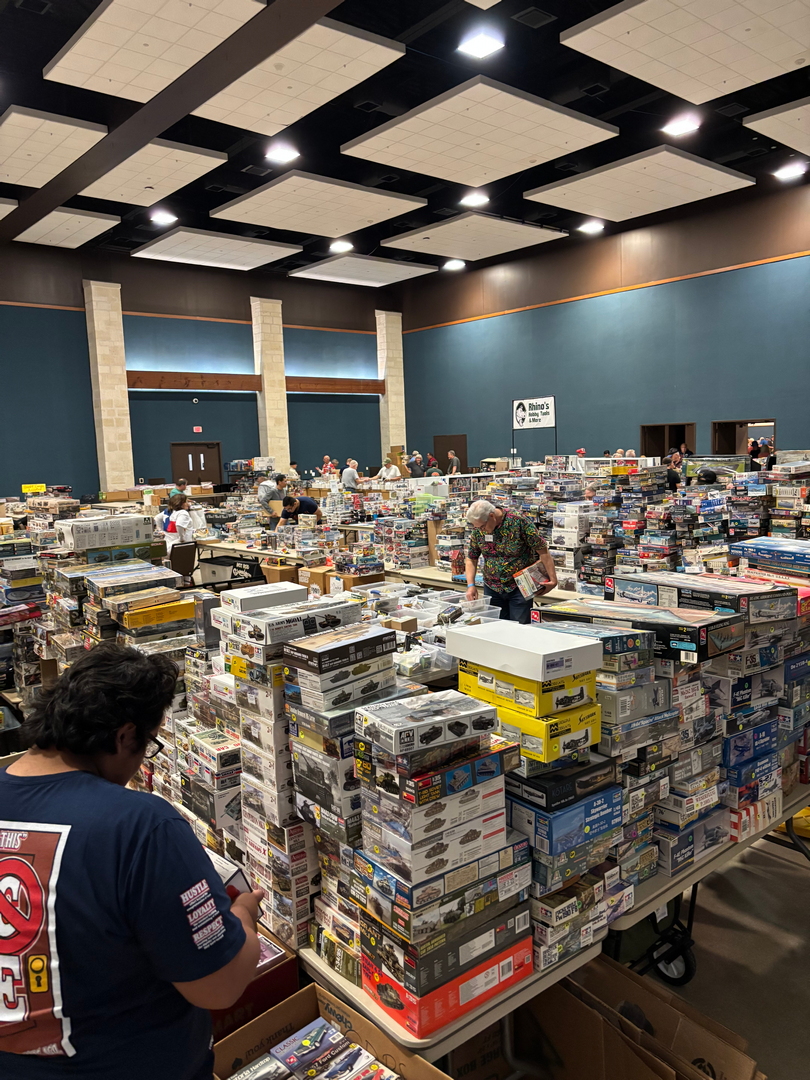
Jim Coatney, Brian Peck and I made the trip over to New Braunfels, TX on January 3rd for the IPMS Alamo Squadron’s “ModelFiesta.” Kits were bought, medals were won, and Margaritas were consumed! Truth be told, it was a bit of a drive, an early departure from Albuquerque, a leisurely lunch at a diner in lovely Sweetwater, TX, and finally an arrival at our AirB&B on Friday evening. After a fairly low key dinner where the first margaritas were consumed, we headed to bed early as Jim and Brian were itching to be first in line at the vendor room. For anyone in the club who has not been to a model show, half of the draw to a show is the showroom where our fellow modelers are entering their work (more on that later,) but the other half of the event is just as exciting!
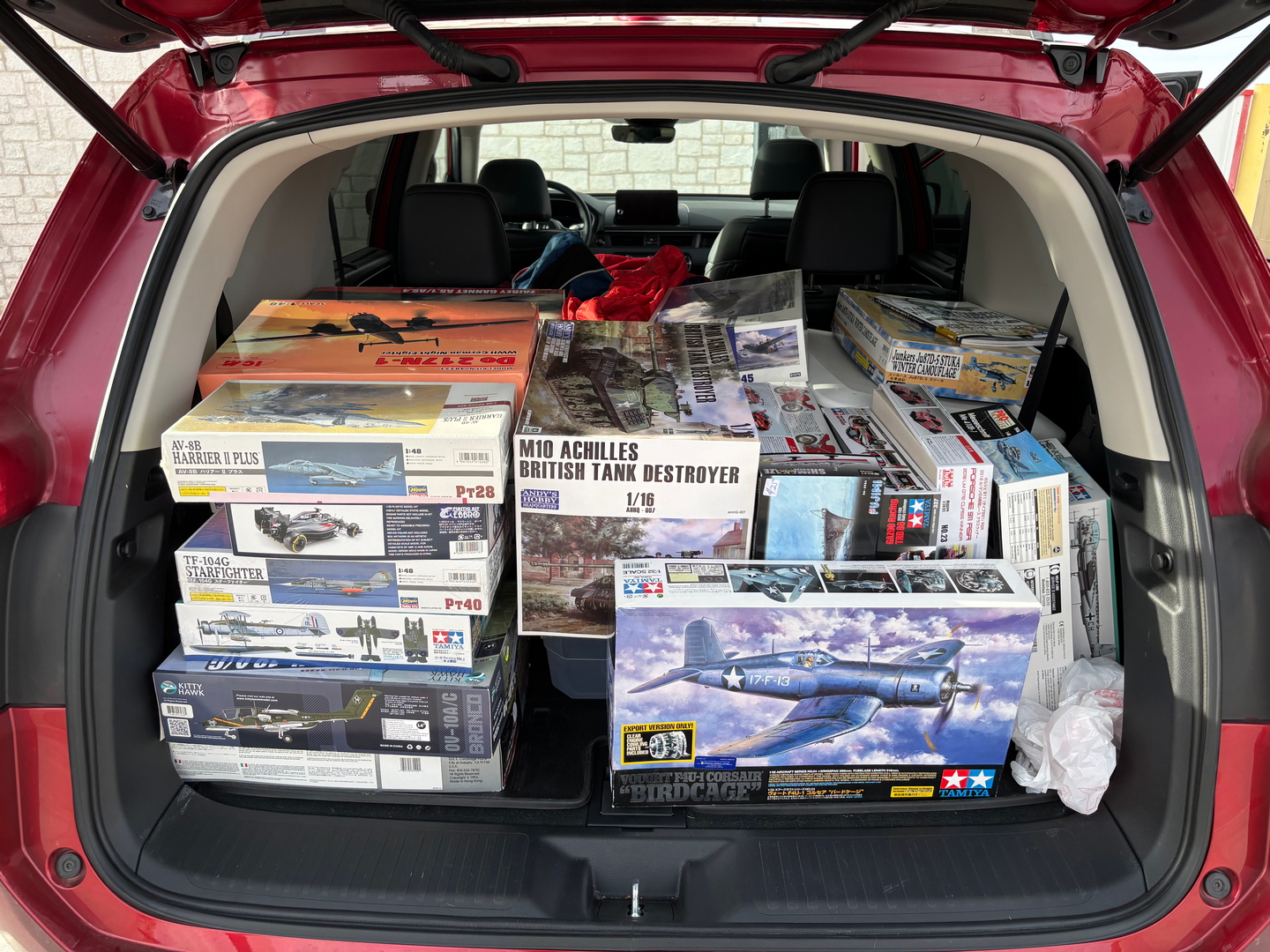
The Vendor Room. Yes, this is the place where shameless bad actors tempt our poor wallets with beautiful kits and accessories that are sometimes rare, sometimes on a great deal, and always a “need” rather than a “want.” We entered the vendor room clutching fists full of cash, and like too many folks in Vegas, that cash disappeared all too quickly. However, unlike the poor schmucks in Vegas, we walked away with arms full of 1/48th, 1/32, even 1/16th scale golden treasure! OK, not golden, but treasure all the same. Jim went on a car buying spree, Brian added to his pile of aircraft, but also surprised us with a 1/16 US M-10 tank destroyer- I guess he heard that I was sponsoring a contest later this year?? I, as per the usual, stocked up on some Luftwaffe aircraft as well as a Tamiya 1/32nd F4U-1 Corsair.
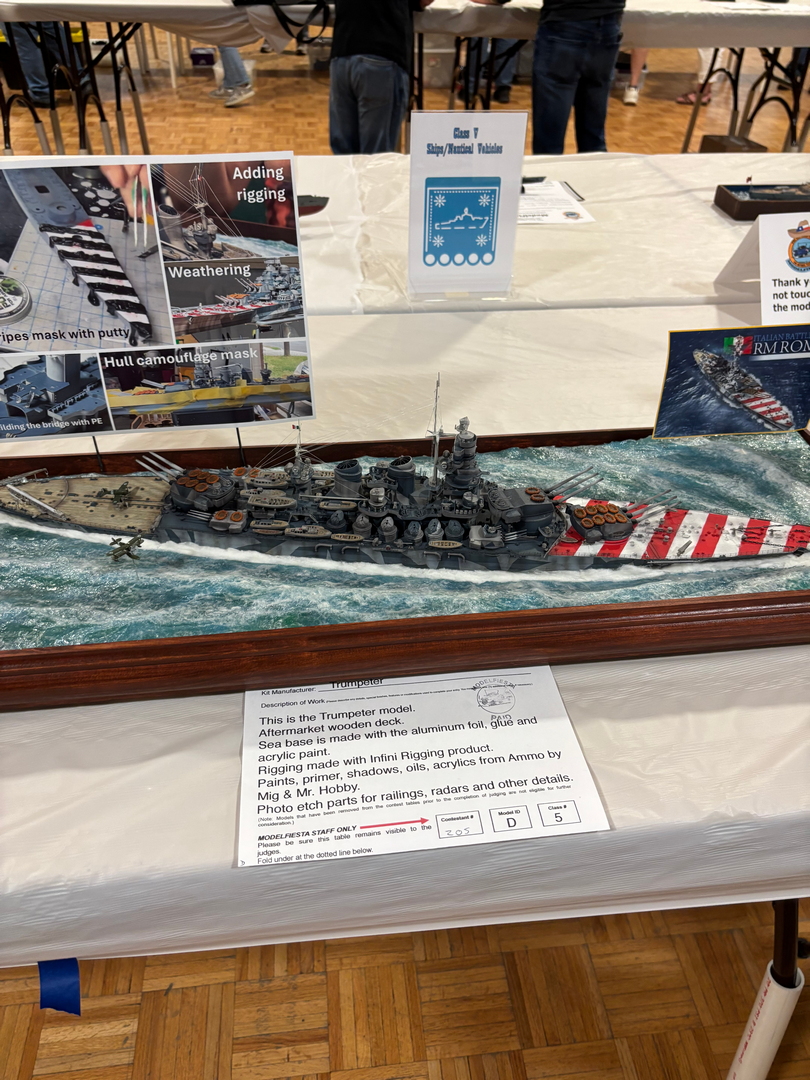
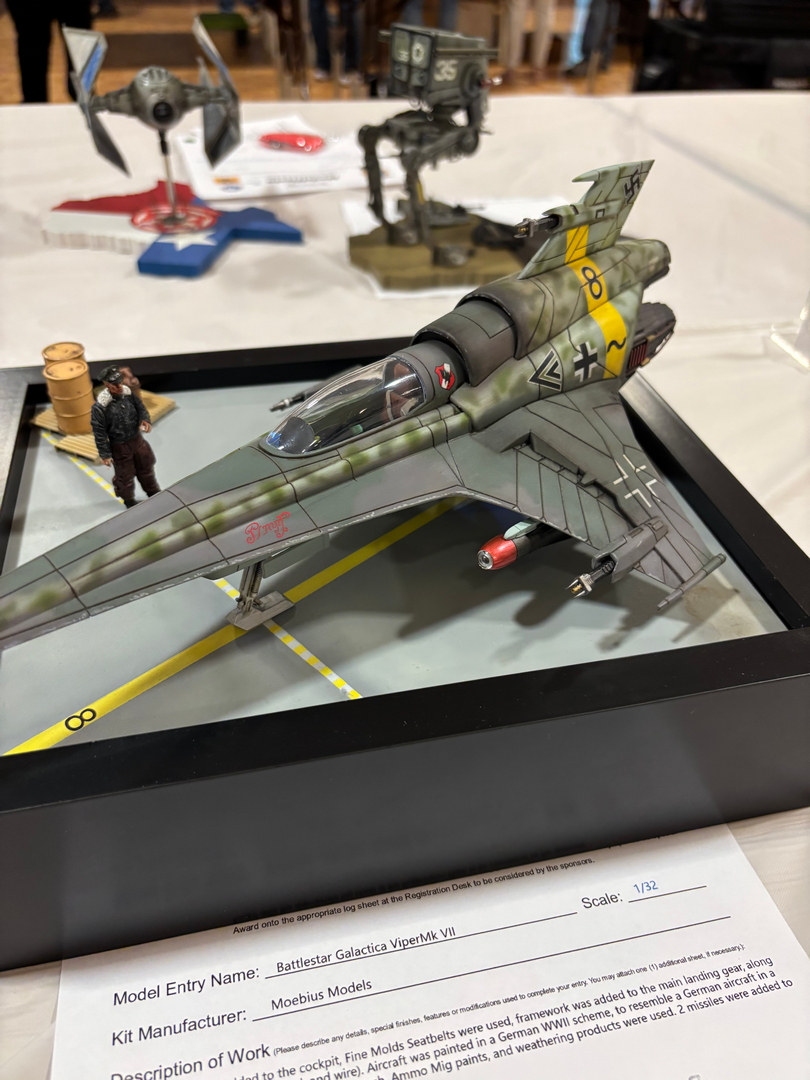
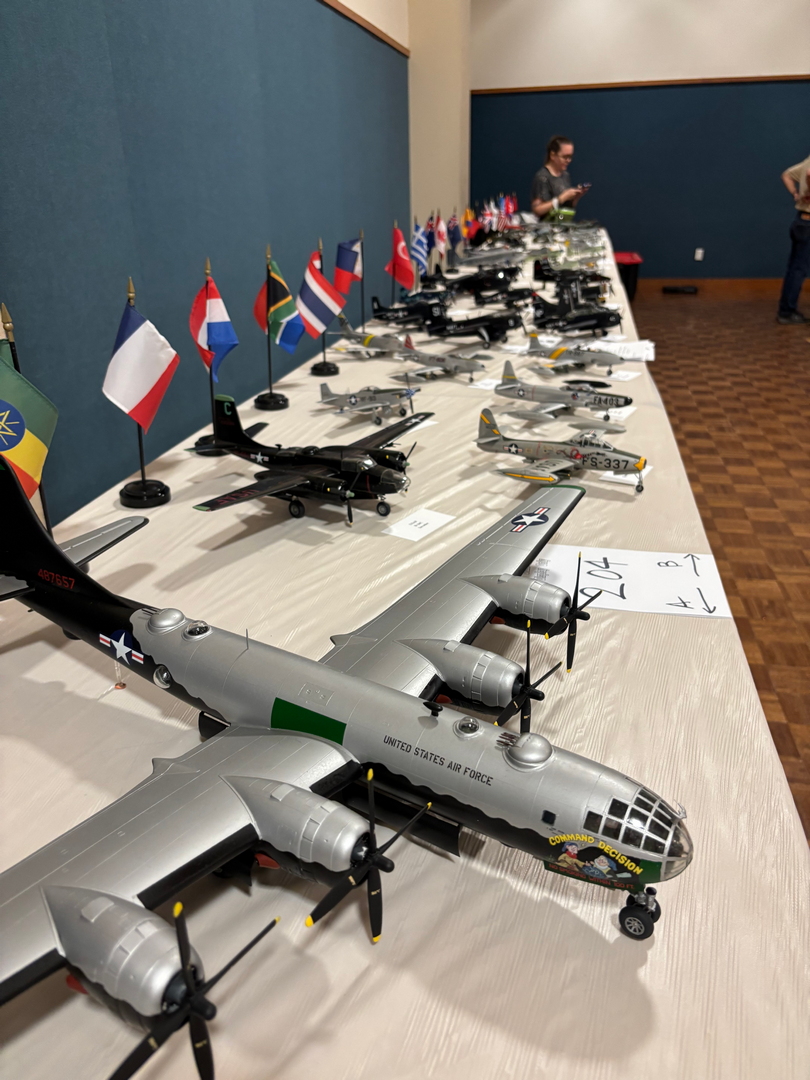
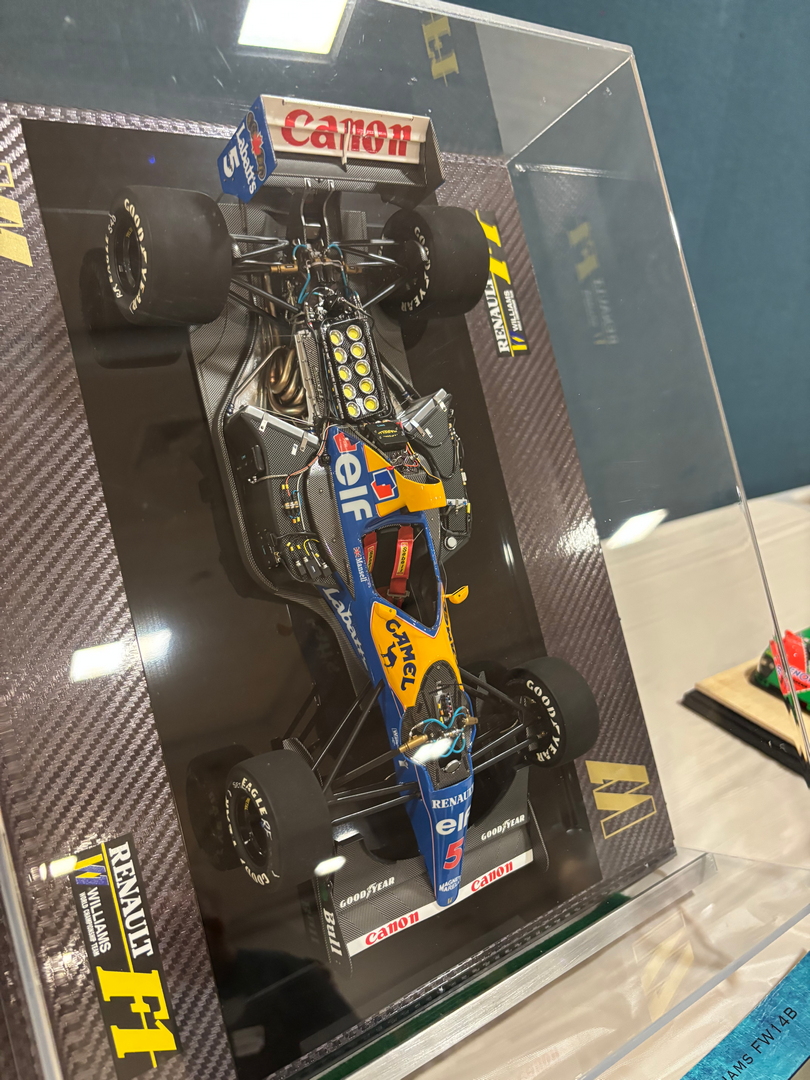
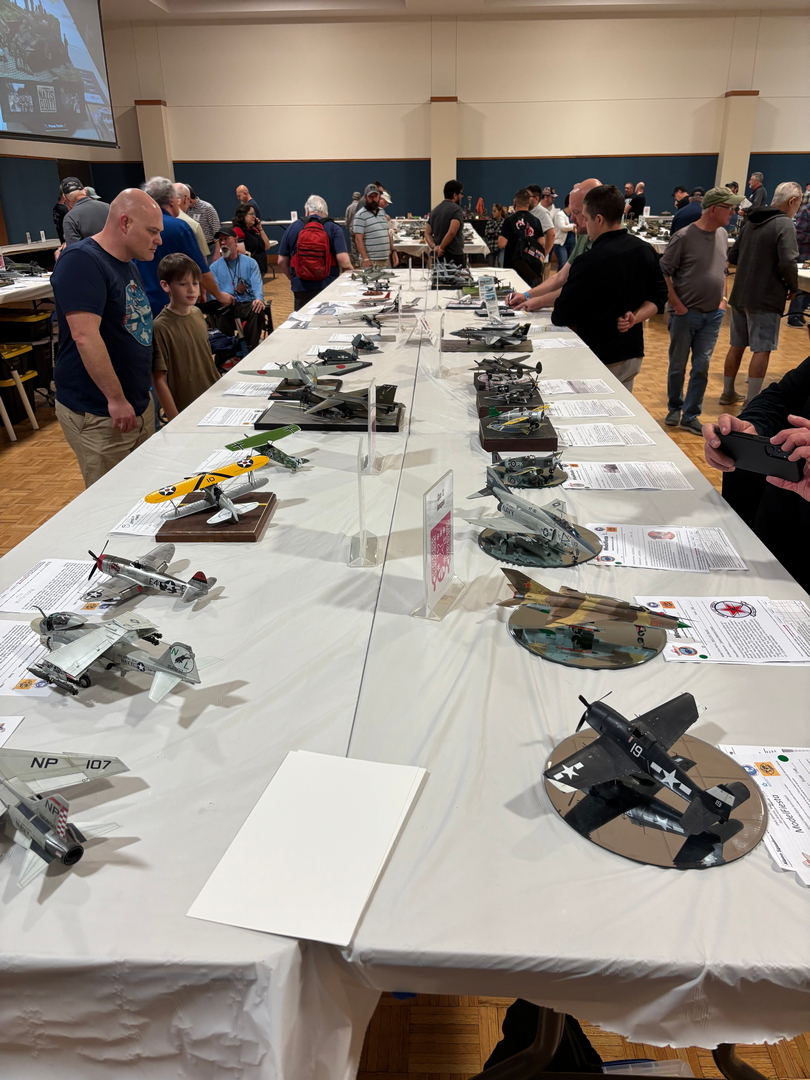
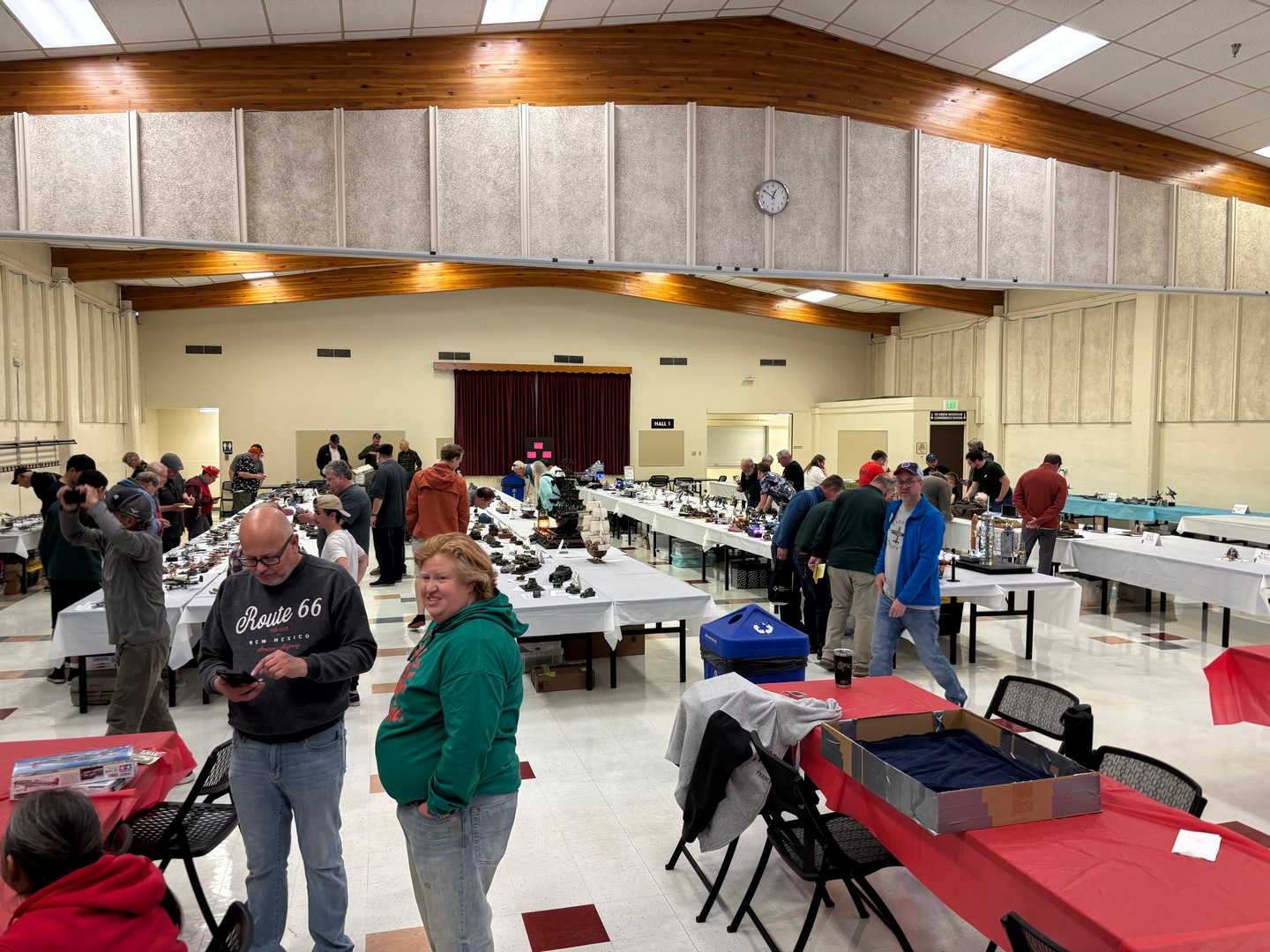
After our initial buying frenzy, it was time to put our models out on the tables. The entry forms were pretty standard, very similar to what we use here in our monthly contests. The difference in this show started at the tables. There were not separate categories for “1/72nd and 1/48. No categories for “soft skinned armor” and “closed top AFVs.” The categories were simply, “Cars,” “Ships,” “Airplanes,” “Sci Fi,” and “Armor.” Everything was on the same table, regardless of scale, regardless of number or type of engines. This led to the second big change from the shows which we are used to. The way the kits were judged was very foreign. Instead of a “first, second, third” setup, each model was judged against a standard. In theory, out of 100 models on the table, there could be 100 gold medal models, or there could be only 5 that met that standard. There were three criteria that were used, Construction Quality for 50 points, Finish Quality for another 50, and finally, Overall Presentation & Scope of Work for 20 points. 100-120 points was good for a “Gold,” 80-99 points would earn a “Silver,” and 79 or below was going to get you a “Bronze.” Each model received a grade card of what the judges liked and what could be improved on. A big issue at most contests is not knowing where the flaws on your model are, as well as not getting any encouraging feedback on what you did right. In theory, the style of judging at this event would really help with both of those issues. The reality was that, as in almost all judged events, different judges will have different opinions as to what a “perfect” model is. With approximately 500 models on the tables, the judges had to move quickly, perhaps some of the work was not looked at as carefully as other pieces. Our biggest takeaway was that the “make or break score” was in the “Overall Presentation” segment. All of us scored well in the Construction and Finish Quality segments, but we were heavily dinged on those last 20 points. I was the only one who had put a base under a couple of my models rather than simply setting them on the tables. This put two of my models over the top and into the “gold medal” class. That was a lesson learned, next year, I think all of the models that we take will have figures, bases, photos, and a lengthy write up of the work that we did to improve the kits.
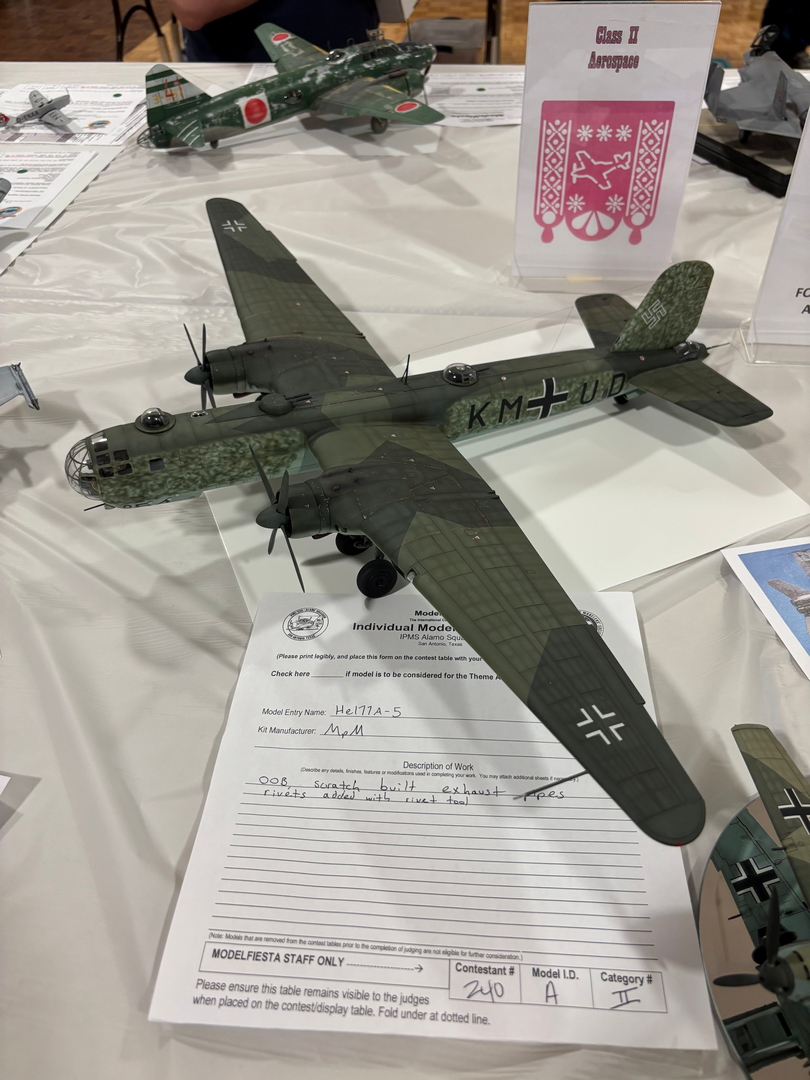
After a lovely lunch in Downtown New Braunfels, we returned to the show. Some more time was spent searching for great deals on kits in the vendor room, and plenty of time was spent cruising thru the model room. I spent a fair bit of time talking to some of the folks in there, trying to find out “who built this one?!!” I tracked down a number of people whose work amazed me, it was really nice to trade secrets of “how did you do that?” It was fun to meet “The Ace Of Spades,” a builder who I follow on Facebook who lives in the Dallas area. I also managed to track down a guy who built a 1/48th MPM He 177A-5, a notoriously mediocre kit that I am planning on attacking this year. Jim met up with several folks that he has known for years (he previously lived in the San Antonio area and even owned a model shop there.) This all reinforced one of the beautiful things about our hobby, we are a bunch of like minded individuals who enjoy debating the differences between RLM 74 and 75, why the Sherman was a better tank than the Tiger, or who would win between a F-35 and whatever pile of junk the Commies are trying to put in the air….
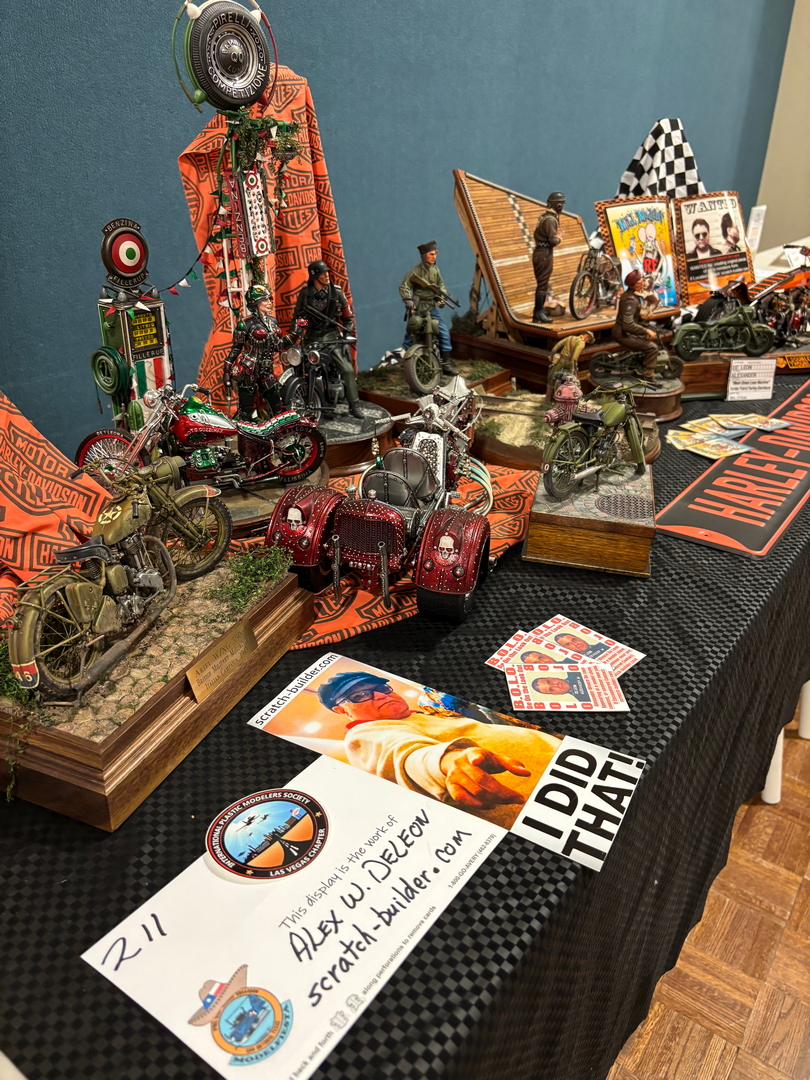
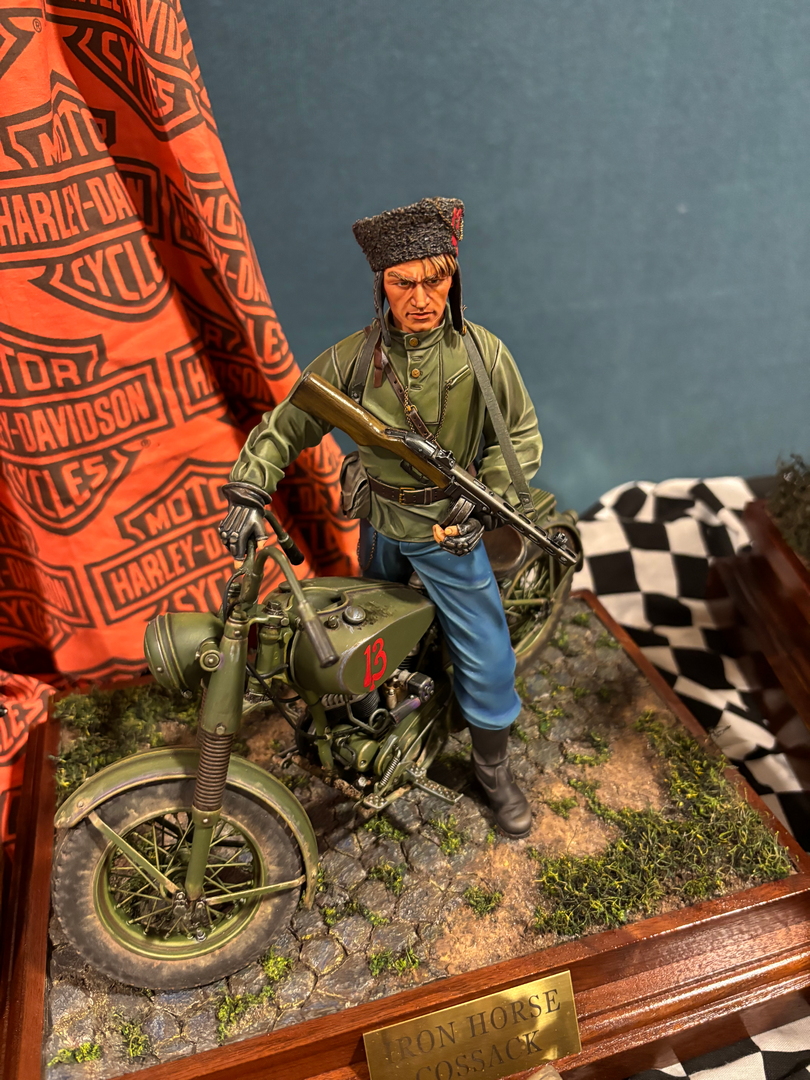
Jim, Brian and I stayed for the awards ceremony. We were a little surprised that a guy that used to shop at Jim’s store did not win Best of Show, this guy does 100% scratch built 1/14thish motorcycles and figures that were out of this world good. We re-cooped back at the AirB&B, then went out for a lite dinner, and of course, another margarita! Brian and I stayed up chatting and coming up with a plan to end all the world’s problems til close to midnight, then headed off for a good night’s slumber. An uneventful drive back to Albuquerque capped off a fun little weekend adventure.